VK

visits on art, design, architecture and literature

Category: -2014

visit my New Yorker recent issue at the culture desk:PHILIP SEYMOUR HOFFMAN’S GENIUS posted by Richard Brody

February 2nd, 2014 at the New Yorker

here is the best  I have read  for Philip Seymour Hoffman  loss written by Richard Brody.

master-580.jpg

“Philip Seymour Hoffman gave one of the greatest onscreen performances that anyone ever gave, in “The Master”; he won an Oscar for “Capote”; from 1991 until now, he acted in what IMDb reckons as sixty-three filmed productions; in recent years, he gathered accolades virtually every time his feet hit the boards of a stage or his face caught the light in a camera; and he began a career as a director. Today, he died, at the age of forty-six, reportedly from a drug overdose. The intimate agony—his partner lost a partner, his children lost a father, his friends lost a friend—is unspeakable except by those who knew and loved him. For those who didn’t know him personally (I never met him), the horror is inseparable from art—the love of his performances, the acknowledgment that there’s nothing more of them beside what’s in the can, and the sense that the torment and the talent are inseparable.

Work that’s only good is limited to its technique; when it’s great, a work is virtually inseparable from the artist’s life because it gives the sense of being the product of a whole life and being the absolute and total focus of that life at the time of its creation. The most depressing thing about “The Master”—in which the art of the director and the actors converged with a rare, white-hot fury from beginning to end—is, now, its basis in substance abuse. The movie begins with the traumatized, transient veteran, Freddie Quell (Joaquin Phoenix), fleeing the scene of a likely crime (his homemade alcoholic concoction killed a co-worker on a farm) to stow away on a yacht. The vessel’s owner, Lancaster Dodd (Hoffman), seems, at first, merely a bombastic grandee but turns out to be the charismatic leader of a cult. What seals their bond—what transforms Freddie from a mere intruder to a suddenly necessary member of Dodd’s entourage—is the incendiary drink. Dodd’s visionary fires and rage for power are fuelled by the poisonous cocktail that Freddie provides. And Dodd’s intense, tormented, and tormenting self-control is tested all the more by the universal solvent of inhibition. His liberation and his constraint, his attempt to create dependents and his own dependency, are inseparable.

In the tension between flamboyance and rigor, between the flagrant imperatives of power and the intense self-discipline that concentrates it, Hoffman made his own prodigious, sometimes overly conspicuous theatrical prowess the very subject of the film. With terrifying speculations regarding the supreme performer’s motives, he thrust his art and his life, his public face and his sense of identity, into the balance. Plenty of great artists plumb the soul’s depths without recourse to drugs or alcohol, but it’s naïve to discount the connection between artistic ecstasies, self-surpassing exertions, uncommonly powerful desires, and altered states of consciousness.

The controversy over “The Wolf of Wall Street” also involves the allure of drugs; though the movie makes it pretty clear that the character Jordan Belfort acts monstrously under their influence, it also leaves little doubt regarding the pleasures and powers that they provide him and his cohorts. It also suggests the poison pill of imagination, the diabolical—even self-destructive—power of theatrical rhetoric, its eruption from the depths of a soul that hardly dares to consider itself. Hoffman, with his seemingly infinite range of possibilities and self-transformations, was at the diametrically opposite end of the spectrum: he couldn’t help but look at himself, from angles he had never anticipated and in aspects he might not otherwise have fathomed. Genius, whether at its most constructive or destructive, its most sublime or its most repugnant, is unnatural; Hoffman lived for great art, and it’s impossible to escape the idea that he died for it. The complete price of his nearly superhuman ability has yet to be reckoned.”

“Le Tricorne”, a canvas 19 feet high that Pablo Picasso painted for Ballets Russes, is in peril

New York – feb 3, 2014

my favorite place in New York to have lunch, Four Seasons,seen this at New York Times, I needed   to share  it here   tonight:

At Four Seasons, Picasso Tapestry hangs on the Edge of Eviction (by David Segal at New York Times)

photo published @NYtimes

For more than half a century, it has hung in the hallway of the Four Seasons Restaurant on Park Avenue, an immense work by one of the greatest artists of the 20th century. But Picasso’s curtain is coming down — and that might just destroy it…..

The interior of the Four Seasons was given landmark designation in 1989, canonizing the achievements of Mies van der Rohe, the architect who designed the 38-story skyscraper, and Philip Johnson, who designed the restaurant, the costliest ever constructed when it opened in 1959. The Picasso, however, was excluded from the designation because, as the New York City Landmarks Preservation Commission explained in a statement, it was owned separately and could be moved.

more here 

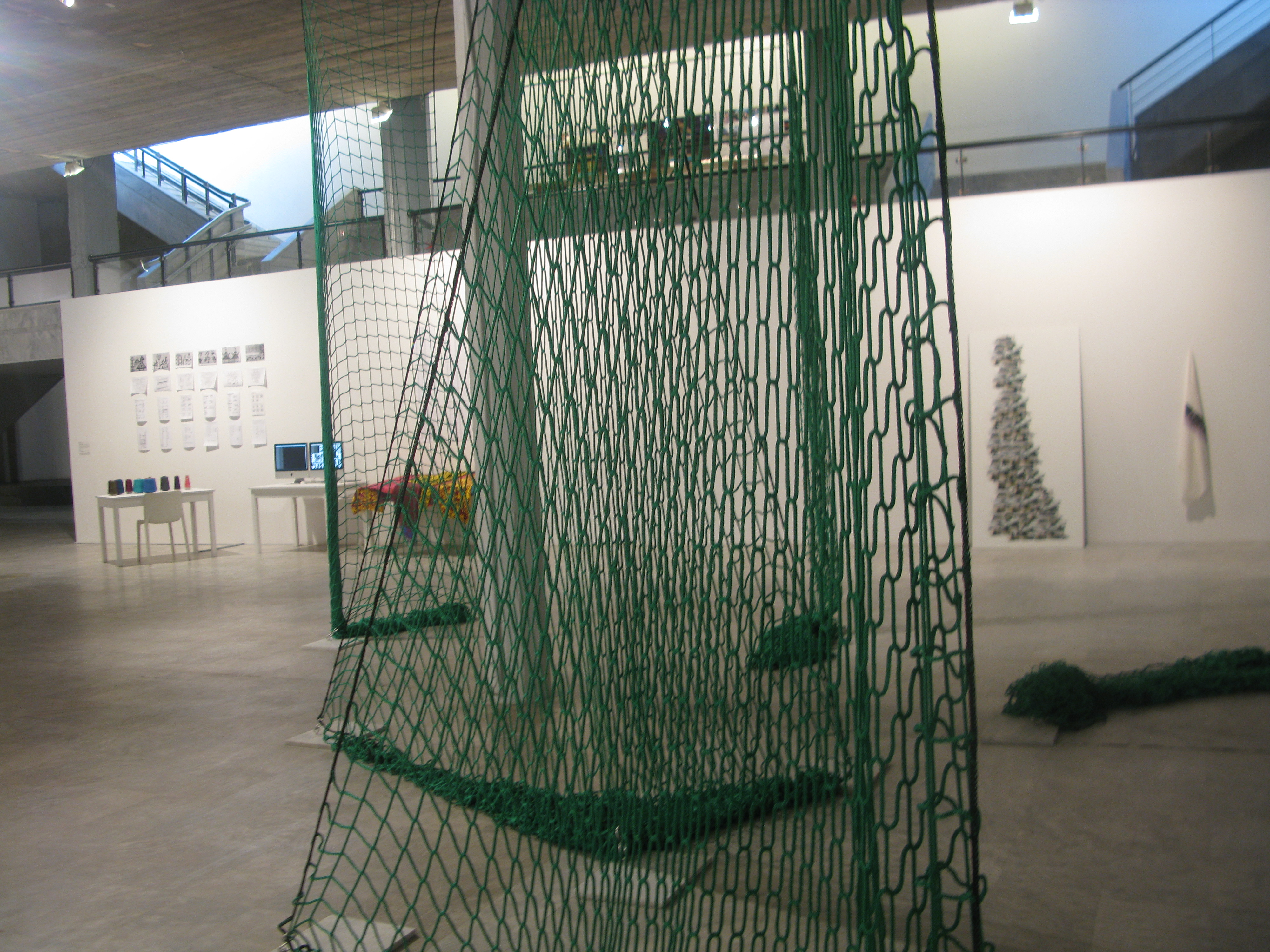
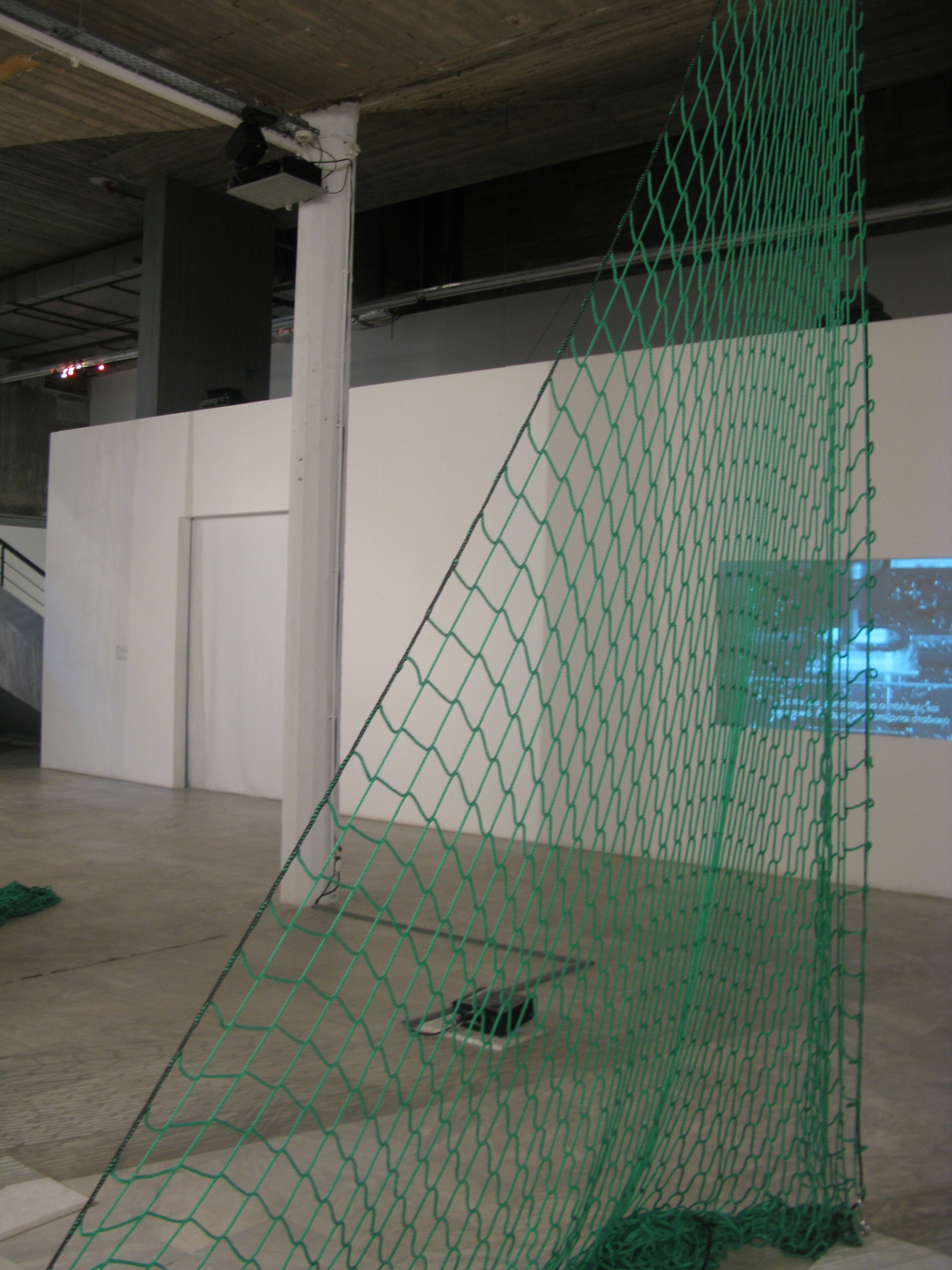
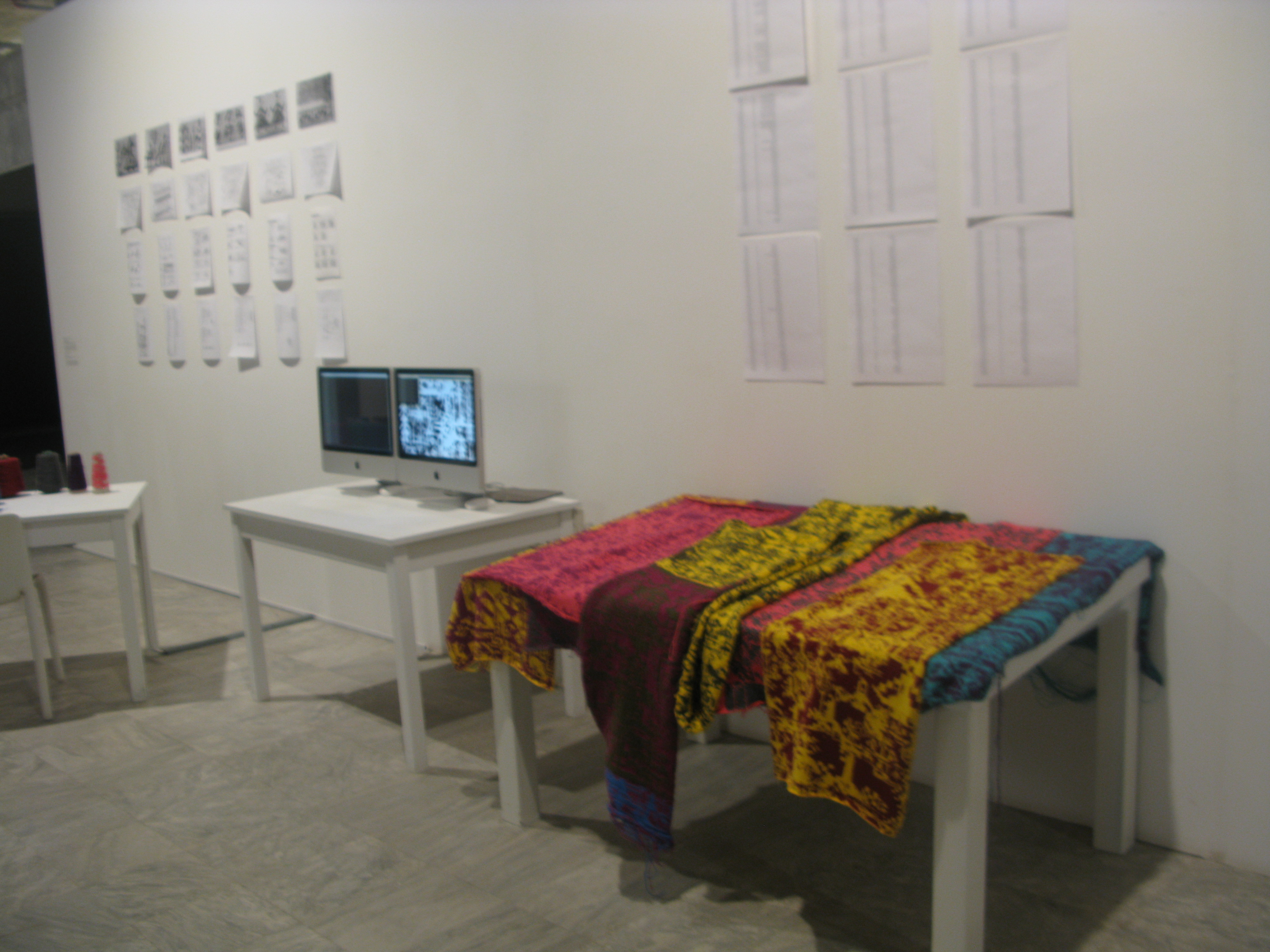
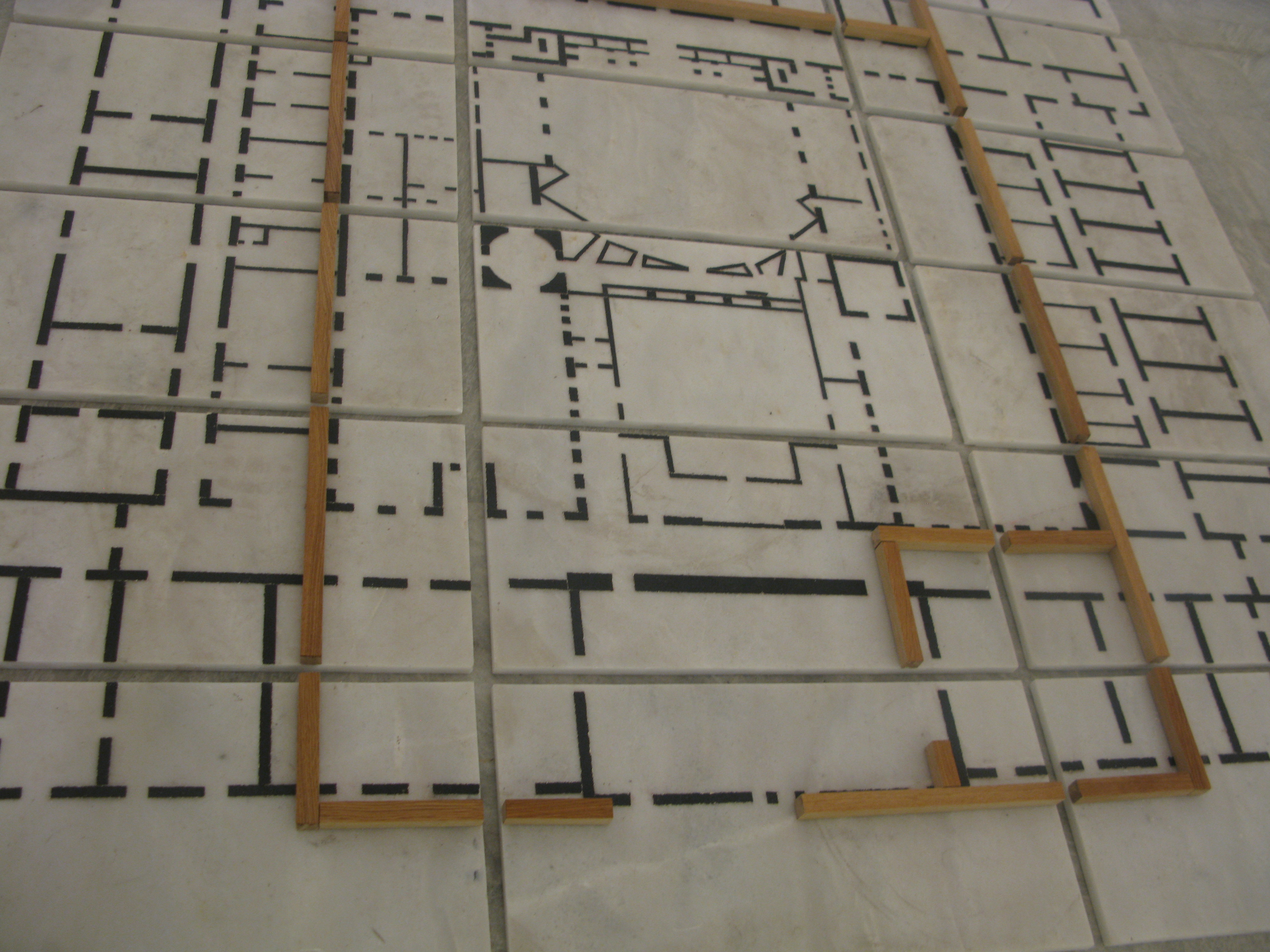
Athens; National Museum of Contemporary Art ΕΜΣΤ; ‘Εκ Νεου’ Afresh A new generation of Greek artists

24.10.2013-02.03.2014

Curated By: Daphne Dragona, Tina Pandi, Daphne Vitali

a special private tour at this exhibition on Friday morning, at 11 am by Daphne Vitali. thank you!

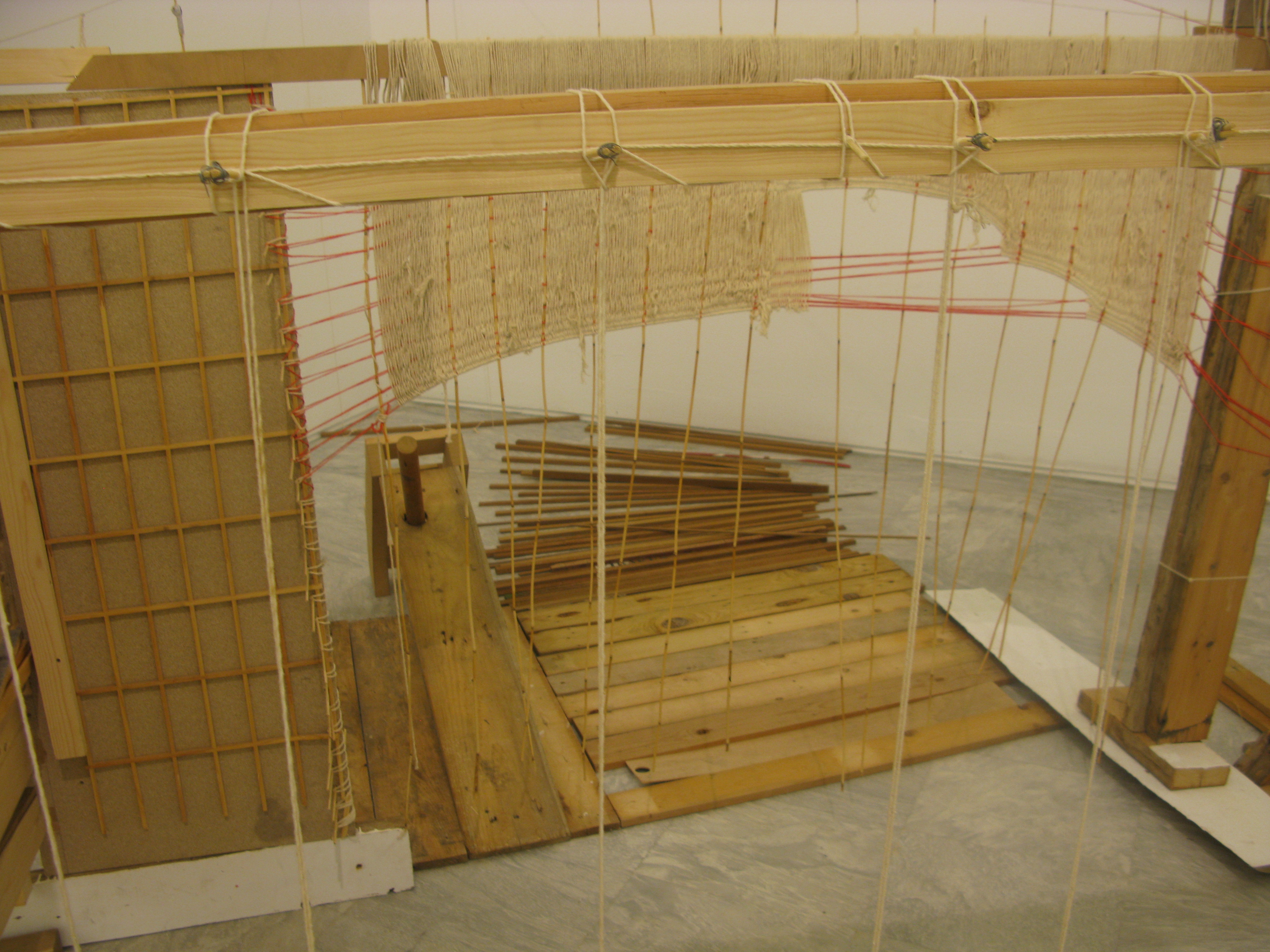
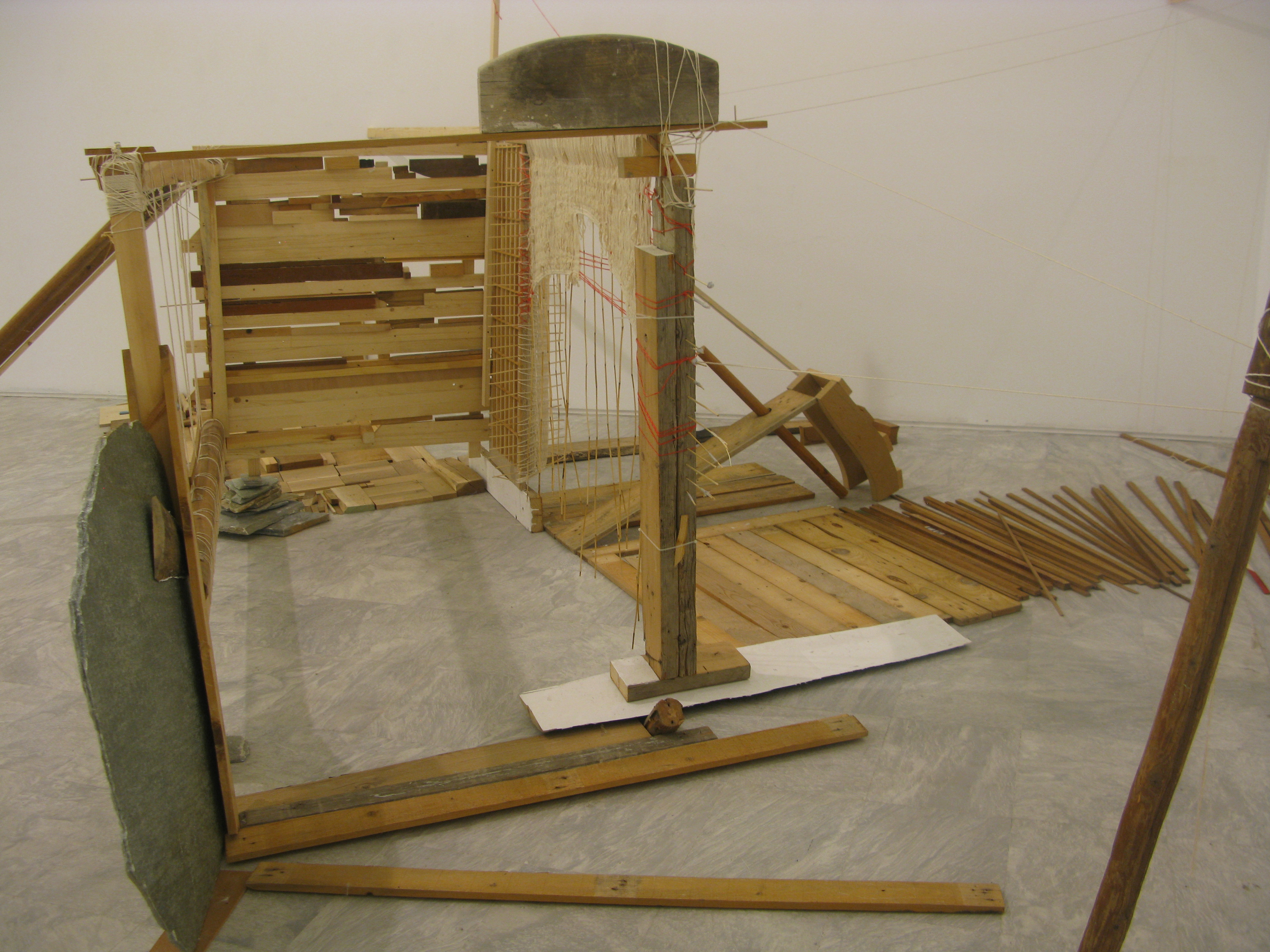
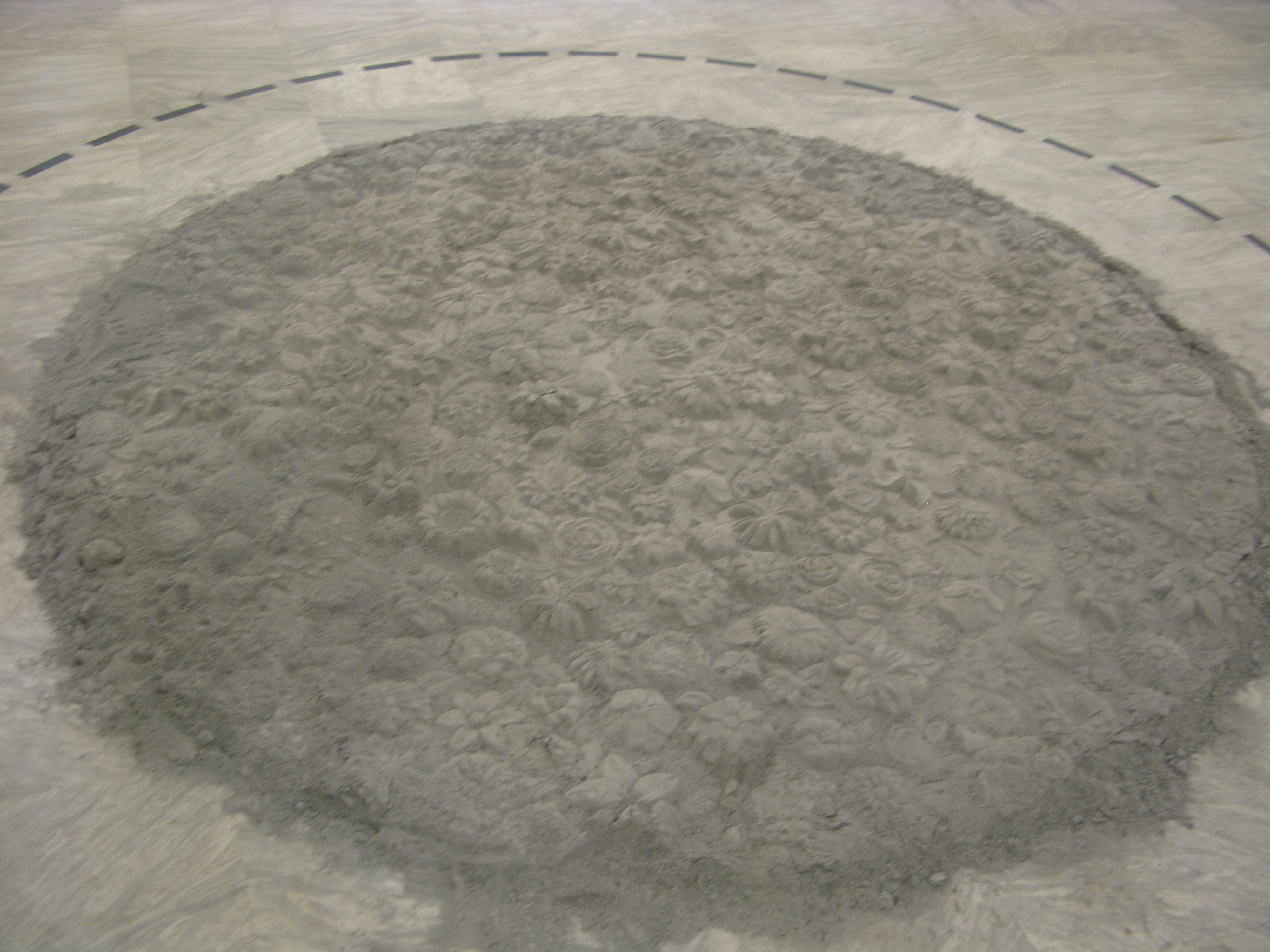
photos of installation @VK

IMG_3728

IMG_3740

IMG_3744

“Main aim of the museum’s exhibition policy since the beginning has been to bring out the most vibrant, progressive and innovative domestic artistic forces, while enabling the opportunity for artists to create new works of art. Afresh exhibition explores our future in an international environment, presents the new questions posed, showcases these emerging artists as they gain momentum.
IMG_3738
IMG_3735
A systematic and thorough research that lasted about two years has proceeded. Starting point was EMST’s open invitation to the artistic community in an attempt to map the new generation that resulted in the collection of over 1000 portfolios of Greek Artists.

Born in the 80s (from 1979 to 1990) these 34 new artists and the members of 3 artistic groups have just completed their studies and started to make their first steps in Greece but also in international art centers such as London, Berlin, Vienna, Cologne, Amsterdam, Manchester.”

More than 60 works are on  displayed (installations, drawings, video, performance, sound installations, paintings), out of which 27 are works made especially for this exhibition…….

IMG_3734

IMG_3732

Representatives of a generation shaped by (and from) the intangible digital technology, they are brought up with the new consciousness of co-creation, collaboration, diffusion of knowledge and information. They create collective and participatory communities; explore contemporary issues related to the new economy and production processes, labor, sustainability, autonomy and alternative ways of living.

IMG_3730 more here 

Athens; Museum of Cycladic Art; “‘Figures’ loved and idealized” illustrating poems by C.P.Cavafy

27.11.2013-30.03.2014

“Figures loved and idealised ..”  Illustrating poems by C.P.Cavafy

a beautiful exhibition on Thursday morning touring the Cycladic museum

«Figures loved and idealised …». Illustrating poems by C.P.Cavafy

The exhibition “Figures’ loved and idealised …Illustrating poems by C.P.Cavafy” focuses on figures that play a leading role in Cavafy’s poetry. Inspired by the verse “Voices, loved and idealized” from Cavafy’s poem Voices, the exhibition uses archaeological artefacts to illustrate a selection of poems with mythological and, especially, historical subjects, which experts believe comprise approximately one third of Cavafy’s work.

The exhibition is curated by Prof. Nicholas Chr. Stampolidis, Maria D.Tolis, Mimika Giannopoulou

 more on the exhibition 

installation shots here 

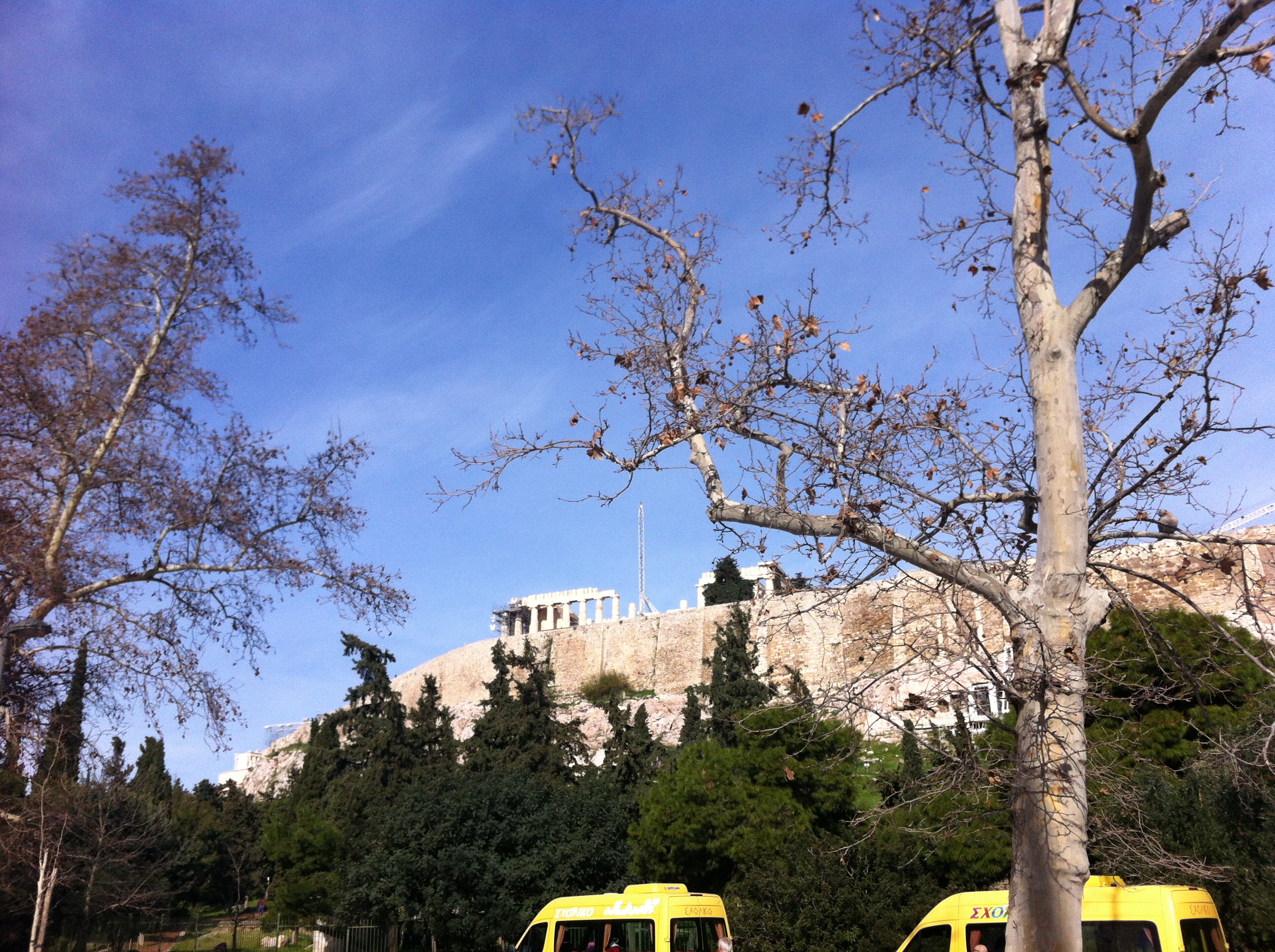
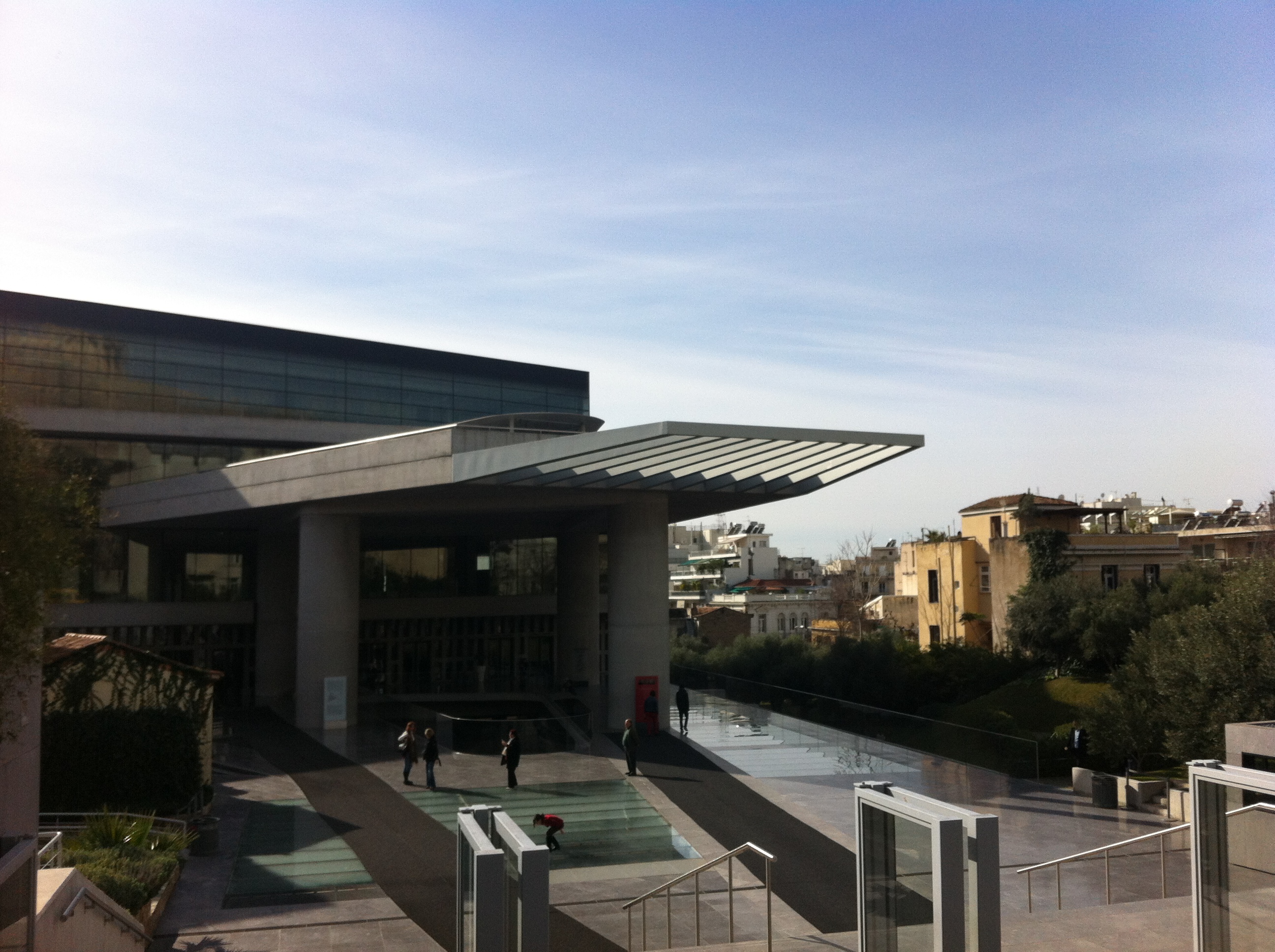
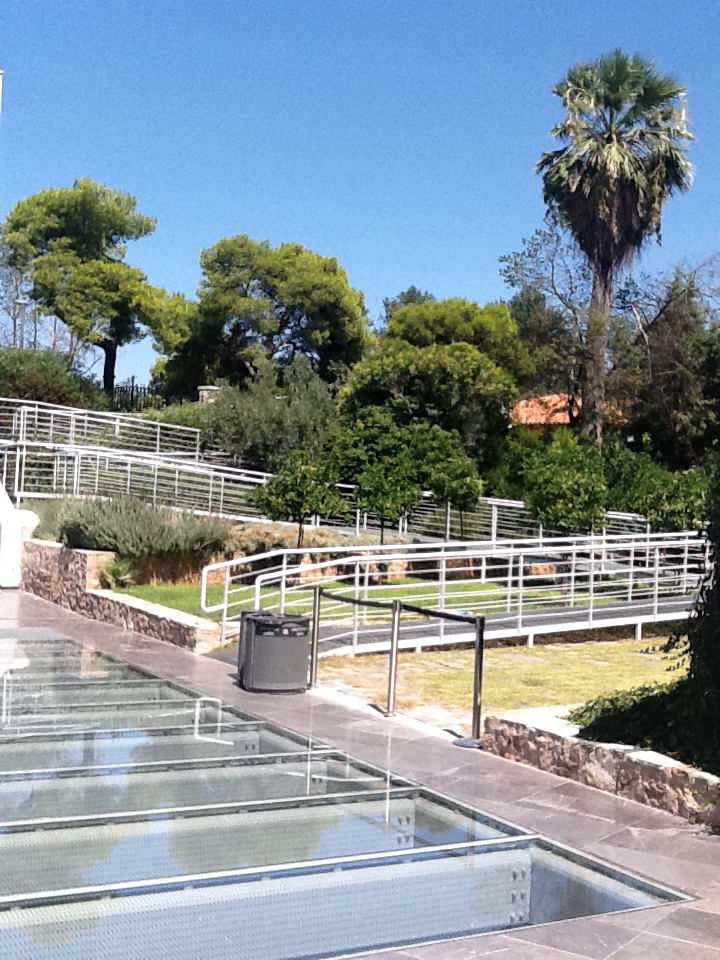
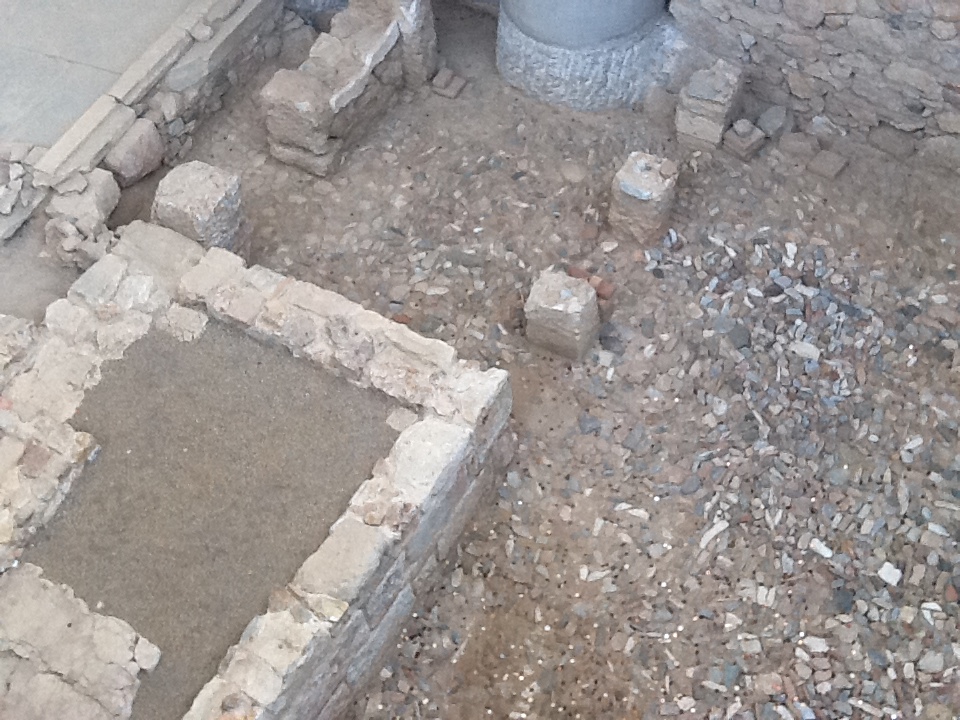
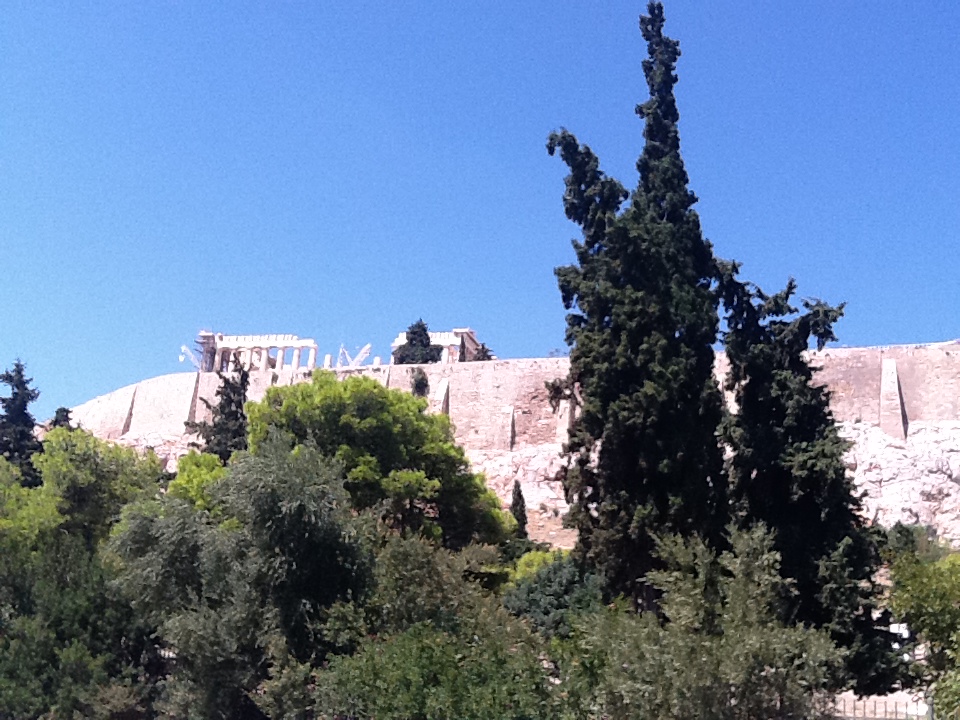
My 3 day visit in Athens, it started as always from Acropolis museum


IMG_0013

IMG_0012

IMG_0905


IMG_0902

IMG_0910

photos @vk

my favorite walk in the museum is thru the Archaic Gallery

Photo published @ the acropolis museum

Archaic is the period throughout the 7th century BC, until the end of the Persian Wars (480/79 BC). This period is characterized by the development of the city-state and the transition from aristocracy to tyranny and, eventually, democracy. It is also characterized by great achievements in the economy, art and intellectual life….

in the south side of the gallery, the depictions of the young women (Korai) is my favorite corner.


 more about the Acropolis museum

Athens; Benaki museum; opening of exhibition by Andro Wekua “pink wave hunter” (collaboration with Deste Foundation)

29.01. 2014-23.03.2014

ANDRO WEKUA&nbsp;<br/><em>PINK WAVE HUNTER</em>

A new program of collaboration between the Benaki Museum and the DESTE Foundation, opens with an exhibition of Andro Wekua.

This exhibition features  a series of sculptural models of buildings drawn from memories of Wekua’s childhood in Sukhumi, Georgia.  Wekua was born in the popular seaside town of Sukhumi, where he lived until his family was forced to flee during the Abkhazian conflict of the 1990’s.  The town was subsequently devastated by civil war, leaving the artist and his family part of the Georgian diaspora unable to return to home. Drawing on this experience, Wekua conjures images of his childhood town from memory and, supplemented by online research, creates sculptural representations of the city’s buildings. (press release ) 

curatorial decisions and exhibition lay out is done by the artist.

more on Benaki museum 

Munich ; Pinakothek der Moderne; a Sunday afternoon visit

a lovely snowy day to visit Pinakothek der Moderne to see many masterpieces but a newly installed single channel video “Mathilde, Mathilde” caught my attention ,  by the artist I met in Berlin and  like very much,  Mathilde ter Heijne (born Strasbourg,France).

“Mathilde, Mathilde” 1999 , single screen video, 4.29 min on loop

photo & text @ artist’s published website

Mathilde is the name of the tragic heroine of Truffaut’s film La Femme d’à Côté, 1980, whose love for an older man ends in death. Also the leading female characters in Jean-Claude Briseau’s Noce Blanche, 1990, and Patrice Leconte’s Le Marie de la Coiffeuse, 1991, are named Mathilde and broken by their romantic attachments. Rather than falling victim to a disillusioning reality, the women find their escape in suicide. Mathilde ter Heijne takes these stories of self-sacrifice for an utopian ideal of love. Can fate be linked to a name? She mixes original sound extracts from the three films with video scenes in which she herself assumes the role of the tragic heroine. Using a special effects dummy, Mathilde ter Heijne depicts her death leap from the bridge and the struggle with her “alter ego.” The location for the short drama is Amsterdam where the artist used to live and work.

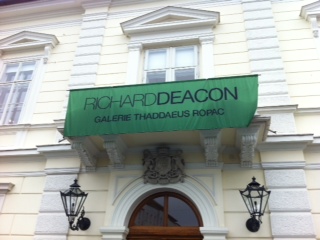
Salzburg villa Kanst _Ropac gallery; preview opening for Richard Deacon “form and colour?”

25 Jan. – 5  April, 2014

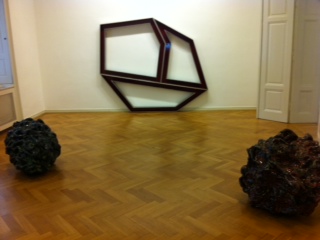
Richard Deacon ” form or color?”  (sculptures and wonderful film with the artist work); Lee Bull (sculpture and drawings) in the right wing  gallery and downstairs gallery the young french artist, much promising Claire Adelfang (photographs)

photo

photo copy 9

photo copy

“Along with Tony Cragg (b 1949) and Antony Gormley (b 1950), Richard Deacon is one of the most important contemporary British sculptors. His existential study of form and space reveals a fundamentally new approach, the determining factor being his treatment of the most diverse materials. The wavy, convoluted sculptures with their intricate rhythms and the biomorphic spatial objects are amongst the most complex works of modern sculpture.”….

“…In 1999, Richard Deacon began working with ceramics in a Cologne workshop. In Salzburg we are showing four enigmatic biomorphic sculptures of this material, multicoloured and with a gorgeous glaze.”

at the opening of the exhibition today was  presented for the first time the book Richard Deacon: So, And, If, But, ed. Dieter Schwarz (Winterthur Museum of Art), an anthology of essays on art theory by Richard Deacon, written during the years 1970-2012.

The film In Between – der Künstler Richard Deacon (Germany, 2012) by Claudia Schmid also at the exhibition.

more here 

Munich; Friday,Jan 24, opening 19.00 hr at k.m Kunstverein München “La voix humaine”

25 January-30 March 2014

Tyler Coburn, Cecile B.Evans, R. Kelly, Kalup Linzy, Eria Scourti, Call Spooner, Frances Stark and Amelie von Wulffen

lavoixhumaine

“The group exhibition ‘La voix humaine’ at Kunstverein München features works by artists that offer contemporary perspectives on themes within Francis Poulenc’s 1958 operatic adaptation of Jean Cocteau’s one-act play of the same name. The exhibition takes this drama as its starting point to identify how heightened forms of affect are mediated in society today; from public exposure of emotionality in need of an audience to a consequential role technology plays in facilitating intimate relationships with its users”

followed by party organized by Kryselina TM with D.J DRIPPIn and M.E.S.H with performance “Damning Evidence Ilicit Behaviour Seemingly Insurmountable Great Sadness”

Vienna; museum quartier’ ‘in Places of Transitions’

Libia Castro and Ólafur Ólafsson exhibit amongst other artists in Places of Transition, an exhibition opening on January 23 in Museum Quartier in Vienna.

In search of various forms of contemporary models for living, the exhibition „Places of Transition“ at freiraum quartier21 INTERNATIONAL shows a selection of international works that examine the visual and discursive possibilities of location-specific transition. On the basis of predominantly photo and video installations, the exhibition explores processes of transformation and in narrative form addresses some of the global changes we have experienced in recent years and decades. The exhibition is curated by visual and cultural theorist Gülsen Bal with artist and curator Walter Seidl.


read more at Icelandic Center blog

Keith York City

History made interesting

VK

visits on art, design, architecture and literature

Eclectic Trends

Interior Design and Lifestyle Trends

maria sarri Art projects

#art_projects, #public_art, #site_specific, #post_colonial, #urban_art

Η καλύβα ψηλά στο βουνό

Σε κοίταζα μ' όλο το φως και το σκοτάδι που έχω

tangledjourneys

A personal perspective on human interest stories from an American journalist living abroad

An Englishman in Berlin

Blog about life and culture in Berlin, Germany

nefeliatelier

bits and pieces that interest me

A R T L▼R K

An Alternative Cultural Daybook

Venetian Red Art Blog

Art, the resplendent light that illuminates the world

The School Of Life

visits on art, design, architecture and literature

IGNANT

visits on art, design, architecture and literature

βλέμμα

visits on art, design, architecture and literature

λεξήματα

visits on art, design, architecture and literature

flaneries

This WordPress.com site is the bee's knees

βλέμμα

gaze at Greece

SOUZY TROS

the new T.A.M.A platform