VK

visits on art, design, architecture and literature

Category: ART

Zurich; ‘Alice Neel’ at Thomas Ammann Fine Arts AG

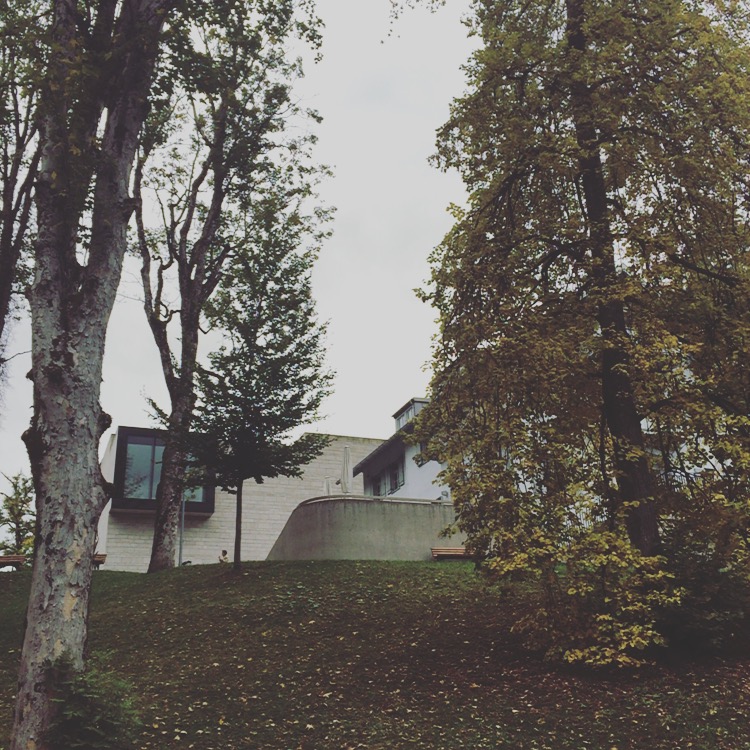
A short trip to Zurich last Friday afternoon visiting Thomas Ammann Fine Arts AG, for an extraordinary exhibition ‘Alice Neel’( b. 1900 – d. 1984)  at the beautiful villa on the hills of Zurich.   Thomas Amman Fine Arts in collaboration with the Estate of Alice Neel has selected and exhibits fourteen paintings which cover all periods of the artist’s career,  significant and representative of her time.  This is the first Alice Neel exhibition in Switzerland.

neel_installation8..

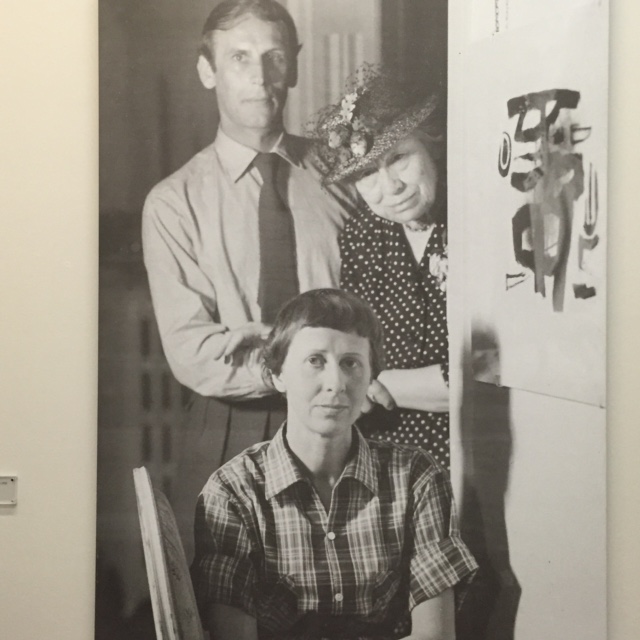
Alice Neel was born 1900 in Philadelphia and was trained at the Philadelphia School of Design for Women. Partly influenced by the thoughts of Robert Henri – a former teacher at her school – who had written them in his book The Art Spirit, Neel set about painting scenes from life, and “told the truth the best I was able.” After the end of her marriage with the Cuban painter Carlos Enríquez, Neel became a single mother keeping herself and her children above water with grants by the government-sponsored WPA. Early on Neel had left-wing beliefs and also a strong social consciousness, which had a bearing on her idiosyncratic choice of sitters. In each of her neighborhoods, Greenwich Village, Spanish Harlem and Upper West Side, she painted neighbors, family members, casual acquaintances, and interesting people she came across. She was an independent spirit who did not paint on commission, and paid no attention to the fashions of art, as she was devoted to realist depiction in an era of increasing abstraction…(Thomas Amman Fine Arts press)
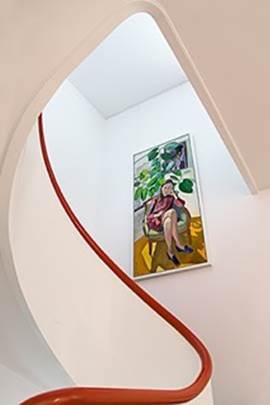
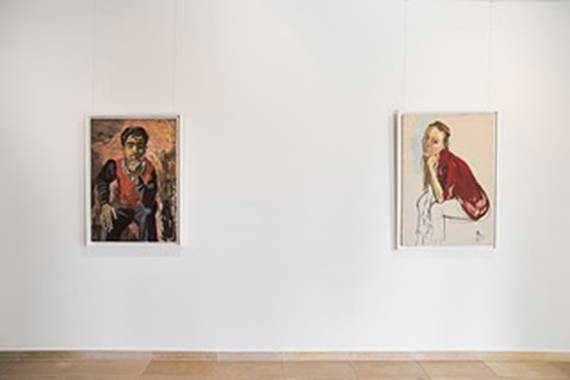
image002

Neel4

photos @ Janosch Vögeli,  Thomas Amman Fine Arts, AG

“….While Neel often felt ambivalence towards post-war abstraction, on some occasions condemning it, and at other times acknowledging its prescient value, she was in essence psychologically motivated and sought to interact directly with the emotional dynamics of portraiture. That she is intensely aware of the dichotomous tensions in post-war American painting is acknowledged in the portrait of Georgie Arce. The painting may be seen as emblematic of her crucial period of transition since in the post-war decade she had survived with her two children largely on public assistance along with few sales.” ( from the essay by Mark Gasbourne on the published illustrated catalog for the exhibition) 

It was a beautiful experience to see this extraordinary exhibition, and a treat to have a tour of Alice Neel’s work by  Han Byul Jung, the art historian in-house at Thomas Ammann Fine Arts.   The gallery/villa holds a unique setting in Zurich hills (Amman villa was built in 1930 by the Swiss architect Otto Rudolf Salvisberg).
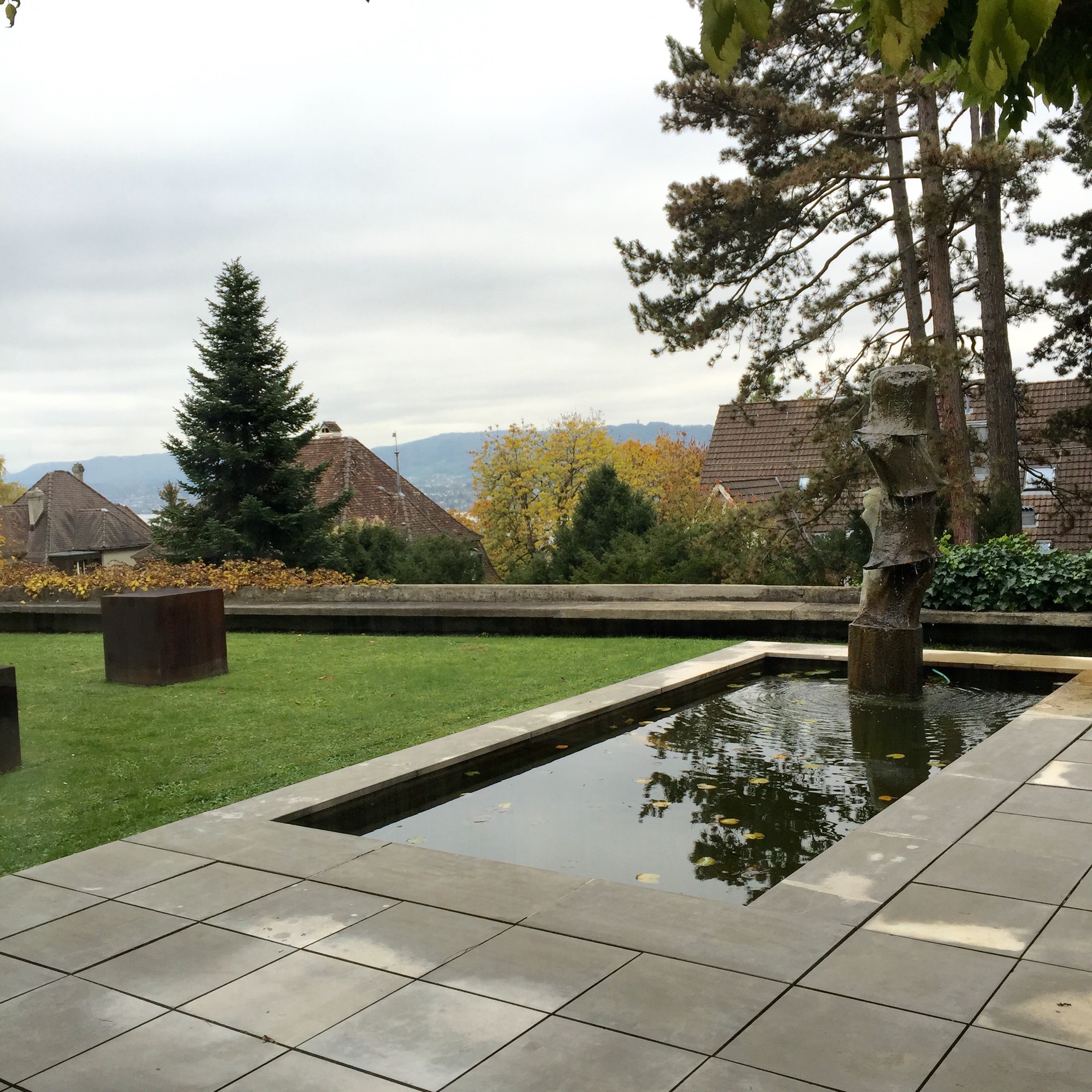
IMG_8225 (2)

 garden view,  villa Thomas Ammann Fine Arts,  sculpture by Cy Twombly, photo@VK

view of the exhibition from the north room, photo @VK

 …although her work was highly regarded in bohemian New York, success came late.  Her solo exhibition at the Whitney Museum of American Art, New York, 1974, The Georgia Museum of Art in Athens, Georgia, 1975, and her inclusion in the groundbreaking exhibition Women Artists: 1550-1950 at the Brooklyn Museum, Brooklyn, 1977, marked a breakthrough. In Europe, her paintings and drawings were-until recently-little known. … (Doris Ammann & Georg Frei, published catalog, 2015) 
IMG_8220

Alice Neel in New York City at David Zwirner gallery, May 2012

IMG_8389

a beautifully illustrated catalog, 2015,  is published by Thomas Amman Fine Art,  with an essay by Mark Gisbourne.

‘...The rupture following the US involvement in the Second World War created a cultural elision in American art and was to totally change the perception of painting and particularly traditional genres such as painted portraiture. Against the background of Clement Greenberg’s ‘high modernism,’ the portrait of many became seen as a quaint and unfashionable entity. Painting evolved into questions about the processes of abstraction and surface autonomy, or compositional systems of material construction, thereby diminishing the portrait along with other genres that dealt primarily with the individuated subject matter.” (from Mark Gisbourne’s essay) 

See gallery exhibition installation views at Thomas Ammann Fine Arts, AG  and for more information, see on Alice Neel special site. There are some amazing articles by wonderful writers that you may read here, please note a wonderful “Painted Truths: Showing the Barbarity of Life: Alice Neel’s Grotesque” by Jeremy Lewison 


Munich: Lenbachhaus at Kunstbau:”KLEE & KANDINSKY. NEIGHBORS, FRIENDS, RIVALS”

Attending Monday evening/preview opening at Kunstbau at Lenbachhaus an amazing exhibition  ‘Paul Klee and Wassily Kandinsky :Nachbarn, Freunde, Konkurrenten”

21 october 2015-24 January 2016

IMG_8141exhibition view, preview opening night @VK

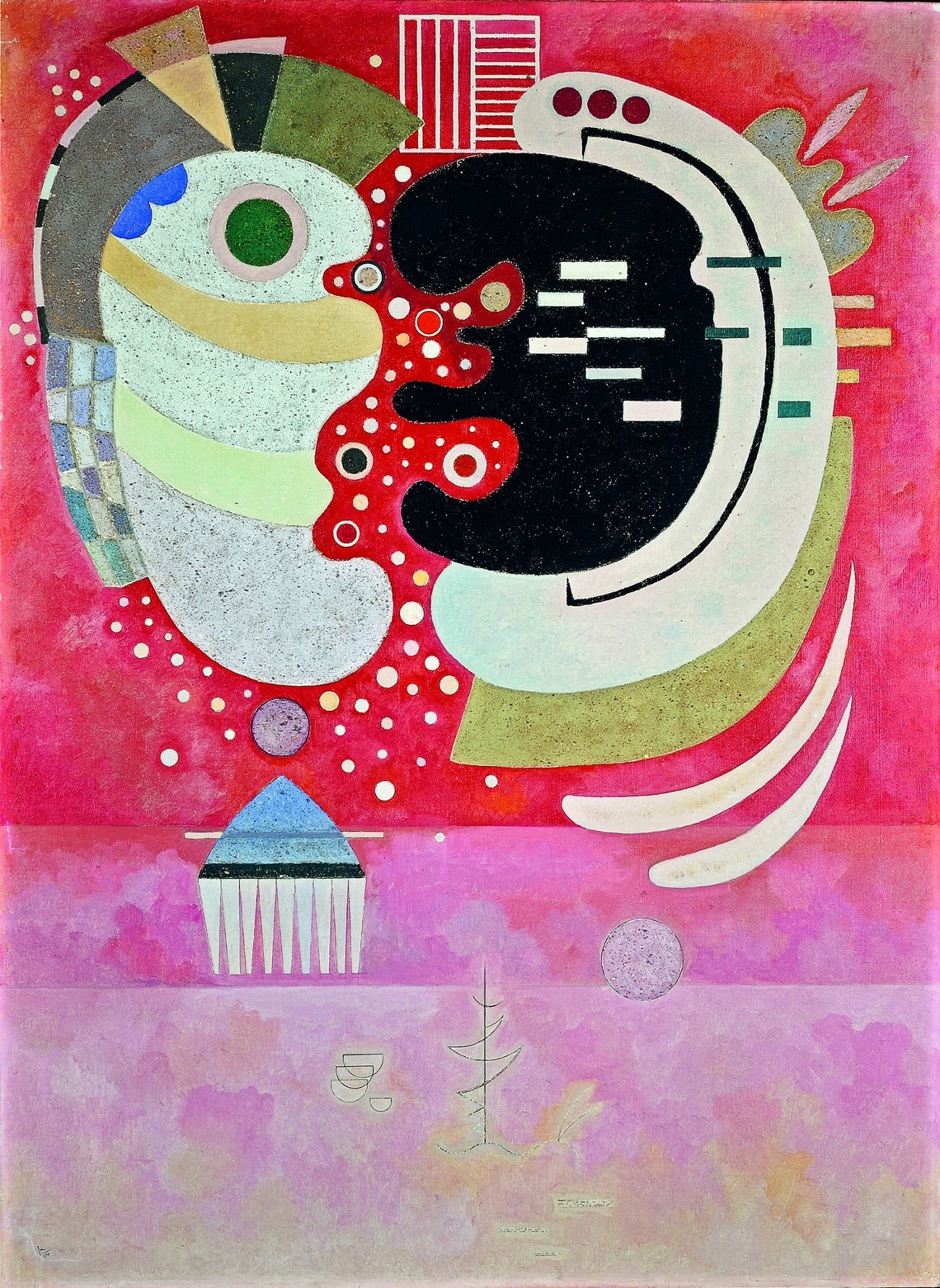
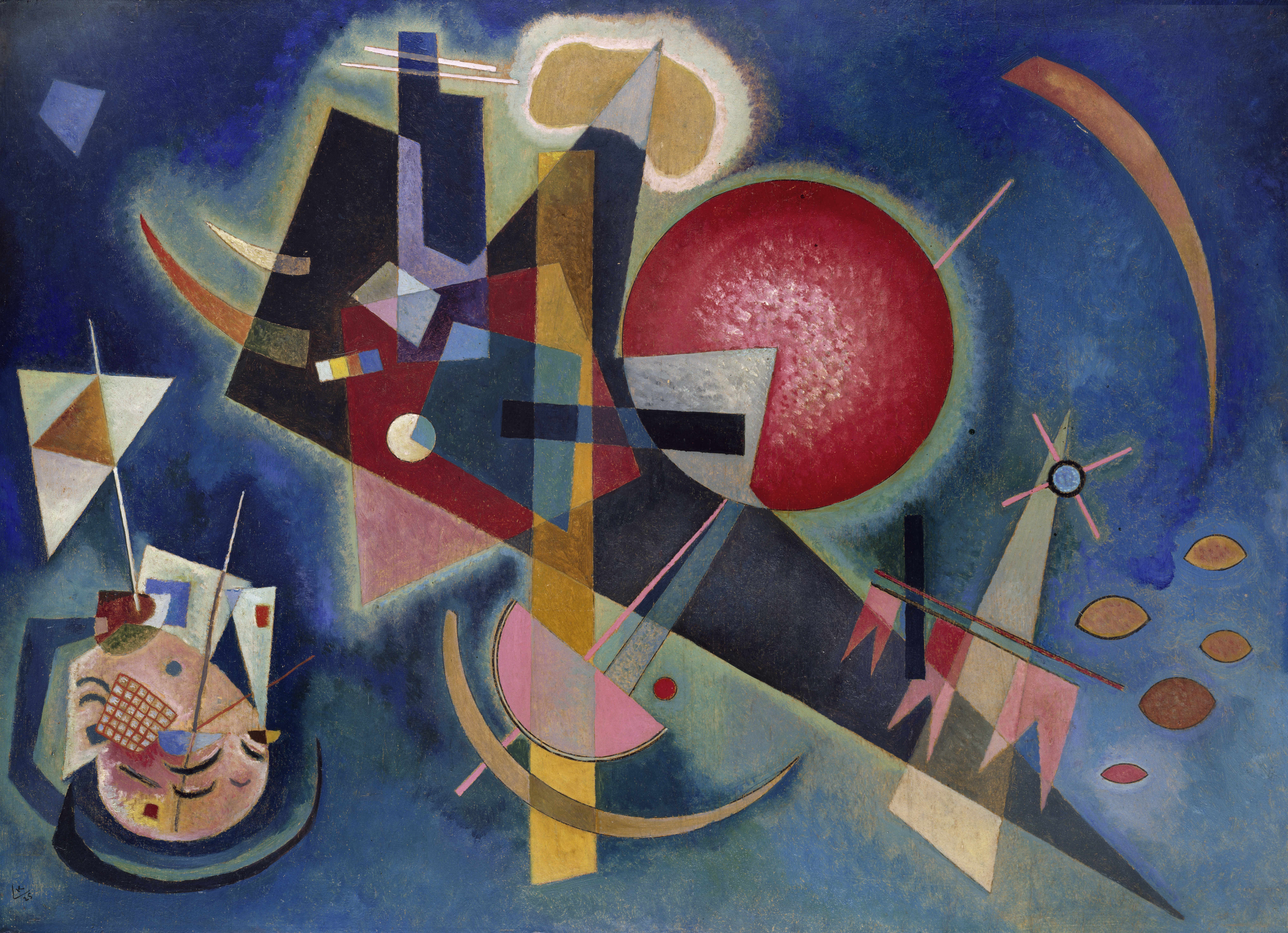
Paul Klee and Wassily Kandinsky are  two names that have come to stand almost as synonyms for classical modernism. ‘They are associated with fundamental avant-garde movements such as the “Blue Rider” and the Bauhaus, and regarded as founding fathers and pacesetters of abstract art. History also records their relationship as one of the great friendships in twentieth-century art…’ (museum press)

Kandinsky_Netre_Deux_1934_gross

WASSILY KANDINSKY
Entre-deux / Zwischen Zweien/ In Between, 1934
Hilti Art Foundation, Schaan, Liechtenstein (published by  permission of Lenbachhaus press)

Kandinsky.Im_Blau__1925_gross

WASSILY KANDINSKY
Im Blau, 1925
Kunstsammlung Nordrhein-Westfalen Düsseldorf, erworben 1964 aus einer Spende des Westdeutschen Rundfunks
Foto: Walter Klein, Düsseldorf (published by  permission of Lenbachhaus press)

klee:lenbach:press

PAUL KLEE
Rosengarten, 1920
Städtische Galerie im Lenbachhaus und Kunstbau, München(published by permission of Lenbachhaus press)

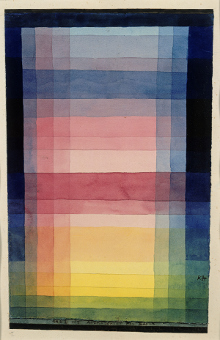
83_Klee-ArchitektdEbene1923.0113_220

PAUL KLEE
Architektur der Ebene, 1923
Staatliche Museen zu Berlin, Nationalgalerie, Museum Berggruen
© bpk/Nationalgalerie, Museum Berggruen, SMB, Berlin (published by permission of Lenbachhaus press)

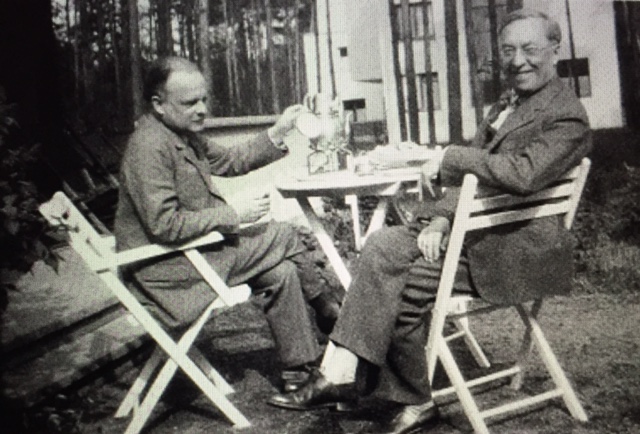
Klee and Kandinsky were indeed close, though never uncritical, friends for almost three decades.  Central to the rapport between them was a focused engagement with each other’s art sustained by many shared aspirations as well as differences on personal and artistic levels. Both artists strove to spiritualize art and explore the intrinsic laws of its visual means. Yet Klee’s ironically refracted realism was alien to Kandinsky’s idealism, and his protean individualism clashed with his friend’s pursuit of the autonomous laws of abstract art.

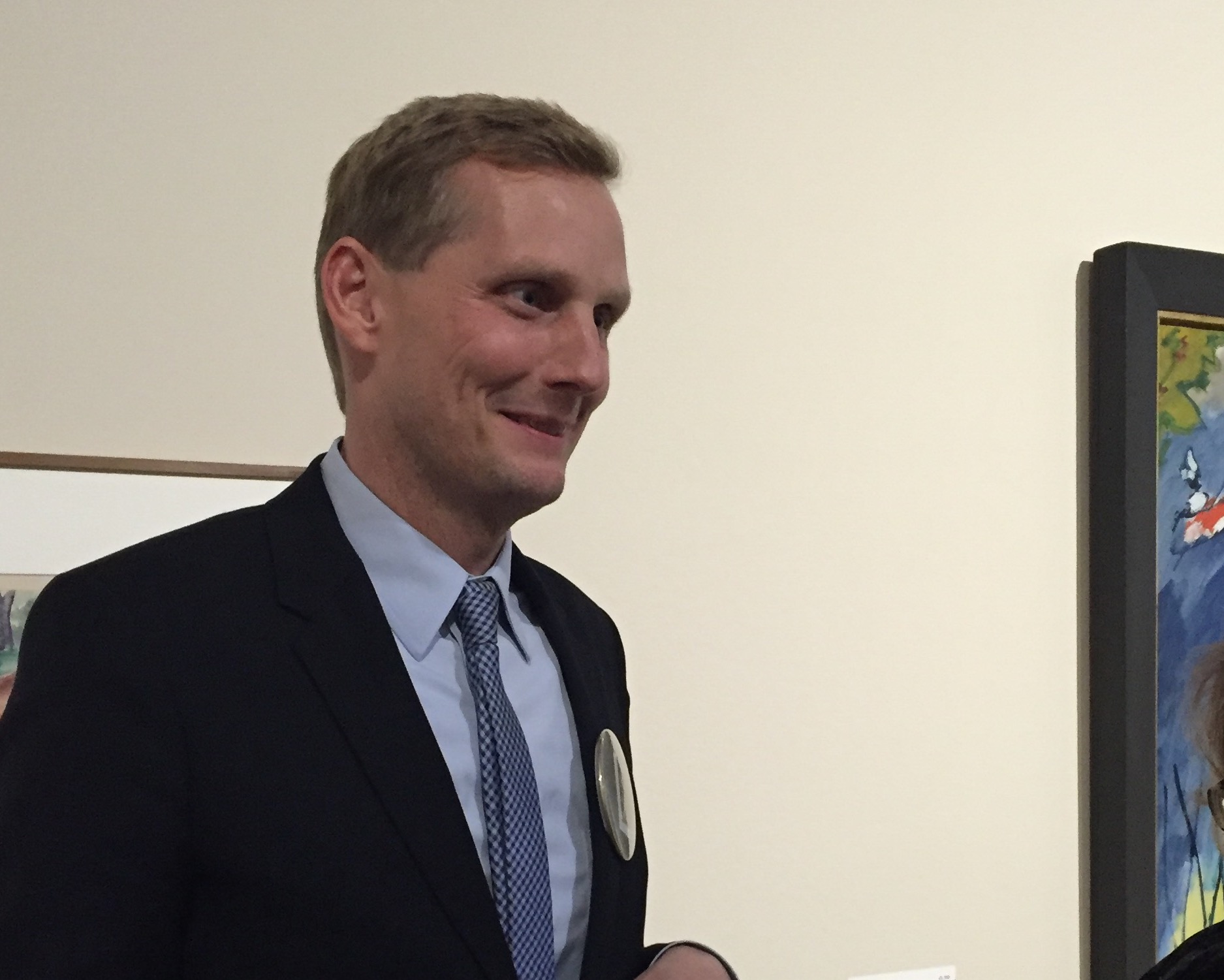
FullSizeRenderMatthias Muehling, Direktor Staedtische Galerie im Lenbachhaus und Kunstbau Muenchen, photo@VK
IMG_8138 (1)
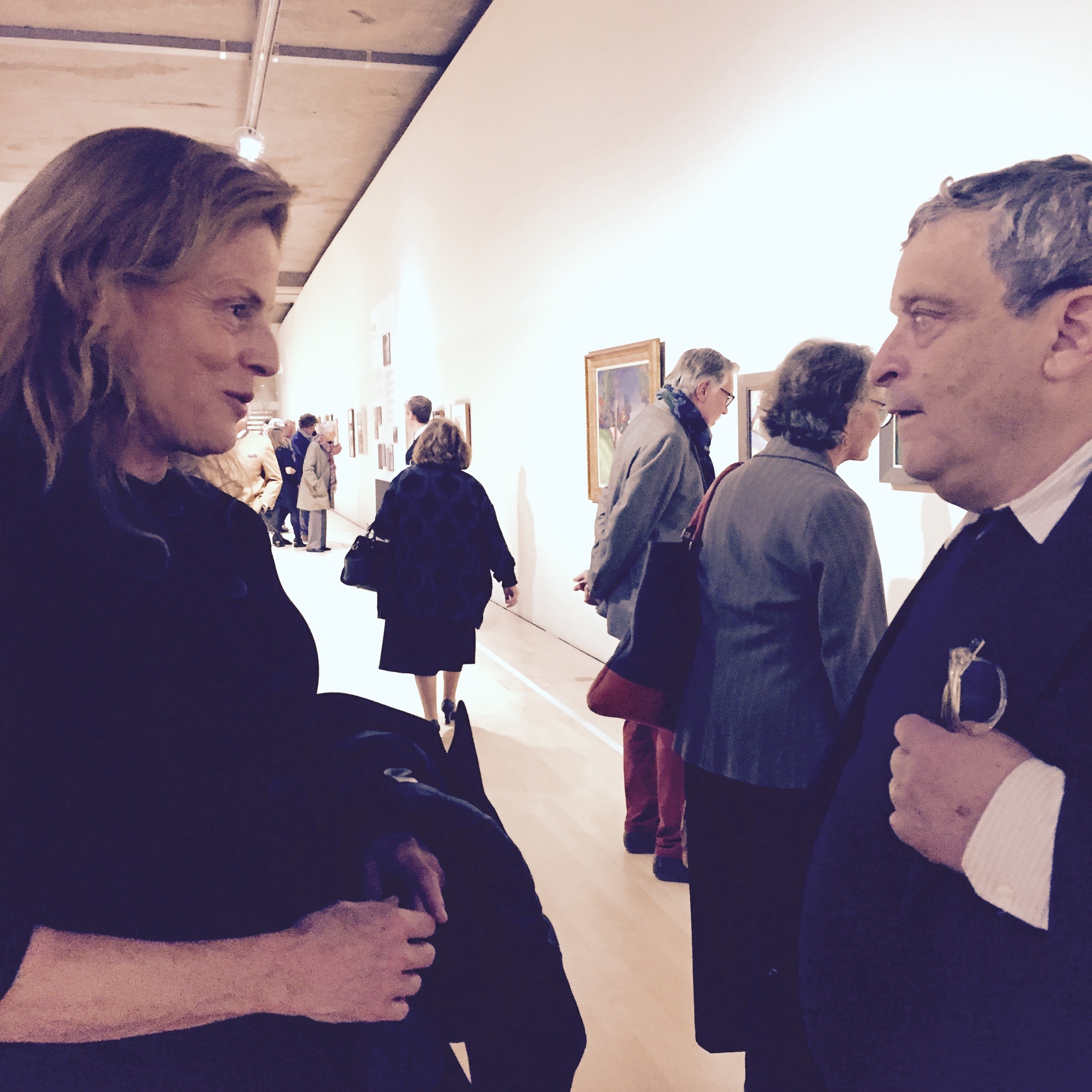
Dr Petra Giloy-Hirtz (independent curator & writer) and Sir Norman Rosenthal (independent curator and historian), photo@VK
IMG_8133 (2)Martin Thierer

The exhibition is organized in cooperation with the Zentrum Paul Klee, Berne and focuses on the years between 1922 and 1931, when both artists  taught at the Bauhaus and worked in a close exchange of artistic ideas, and even lived door to door in one of the “Master Houses” designed by Walter Gropius. Yet their works from the “Blue Rider” period as well as the late oeuvres of the two artists, who died in 1940 and 1944, likewise reflect the bonds of friendship between them.

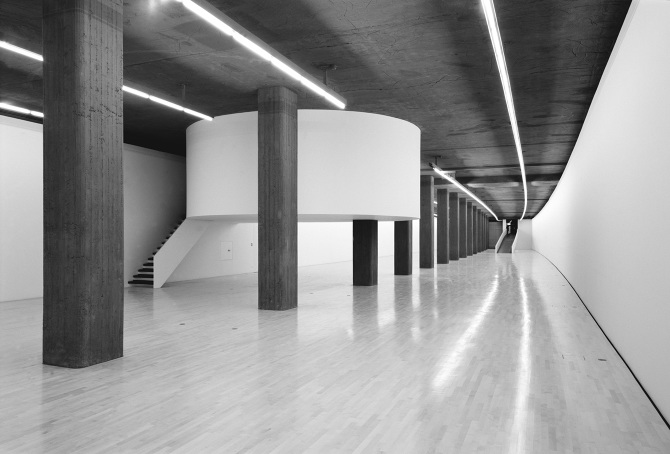
The Kunstbau was inaugurated in 1994 with an installation conceived for the space by Dan Flavin. The subterranean gallery is located in the immediate vicinity of the Lenbachhaus in an originally unused space left void for technical reasons when the Königsplatz subway station was built. The architect Uwe Kiessler modified this mezzanine level to create a sober and spacious exhibition room based on a concept that is as simple as it is compelling: he structured the slightly curved, long and narrow hall — forty-six feet wide and sixteen feet high, it is 360 feet from one end to the other — by inserting eighteen concrete columns along its long axis that divide it into two naves, matching the layout of the subway station below.

images-1

Kunstbau3-Kopie_low_670

kunstbau architecture:  (The exhibition architecture had as a main goal to highlight the distinct proportion of this space, by creating unobstructed views of the 100m long gallery. The design presents a wall system of steel which develops into 4 wall types)
FullSizeRender 2Paul Klee and Wassily Kandinsky in Dessau, ca.1927 , photo@Nina Kandinsky, Bibliothèque Kandinsky, Centre Georges Pompidou, Paris (published by permission of Lenbachhaus press)

A collaboration between the Städtische Galerie im Lenbachhaus und Kunstbau, Munich and the Zentrum Paul Klee, Bern.


London; Oscar Murillo ‘binary function’ at David Zwirner gallery

A short visit in London, highly recommended,  the Oscar Murillo’s first exhibition at David Zwirner gallery in London; includes new paintings and drawings as well as sculptural, sound, and film elements.  A strong exhibition,  which I found incredibly poetic.

IMG_7877installation view, Oscar Murillo ‘binary function’ David Zwirner London gallery, @photoVK
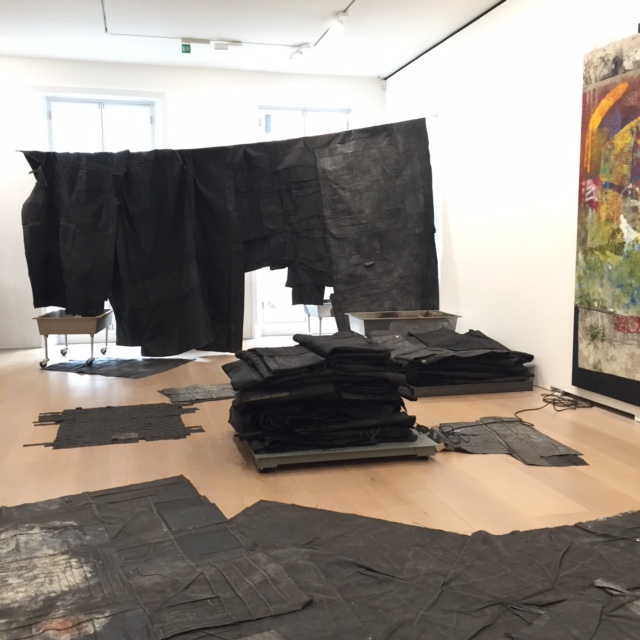
IMG_7881installation view, Oscar Murillo “binary function’ David Zwirner London gallery, photo@VK
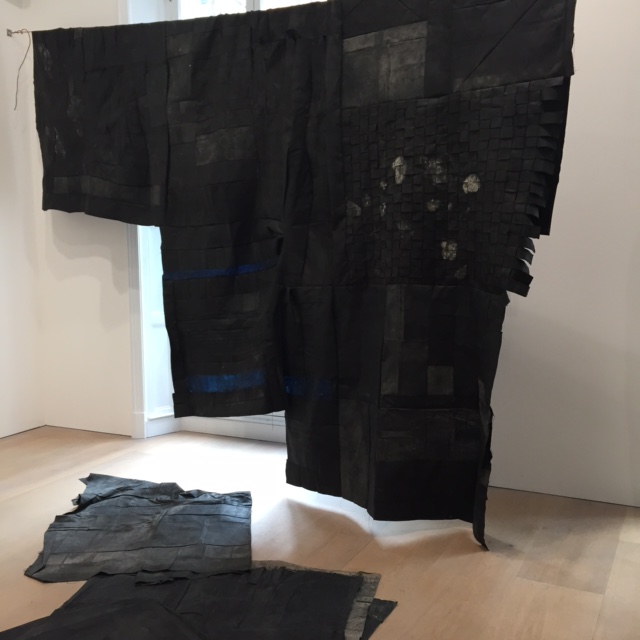
IMG_7879installation view, Oscar Murillo, ‘binary function,  David Zwirner London gallery, photo@VK

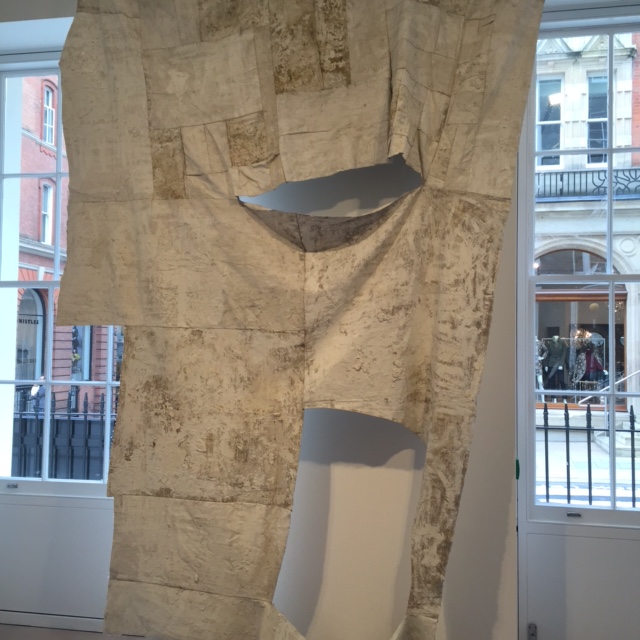
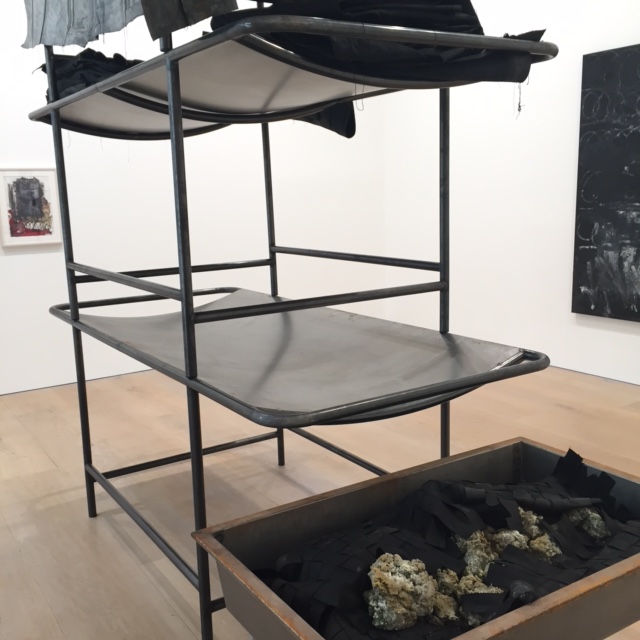
A major new installation in the upper galleries comprises large, heavily painted black canvases (made of several sewn-together fragments and reminiscent of leather hides) suspended across the gallery, piled on top of one another on steel pallets, and also strewn across tables. An adjacent canvas, one of a series of new figurative works in the exhibition, depicts a painting Murillo encountered in a collector’s home in Bogotá—showing a young boy selling fish—against Regency-style wallpaper and antique furniture. Murillo’s physical engagement with his materials has an anthropomorphic effect, which in turn contextualizes the installation within the socio-political landscape of post-colonial Colombia. Intensified by the subtle smell of oil paint and the presence of decomposing corn sculptures, its corporeal and abject nature creates a thought-provoking viewing experience that aims to destabilize the codified conditions of display present within the initial painting. (gallery press)

IMG_7883installation view, Oscar Murillo, ‘binary function, David Zwirner London gallery, photo@VK


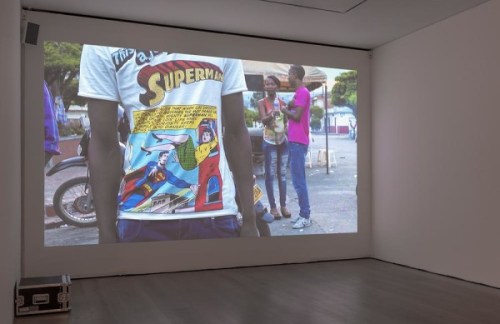
OM-binary-function-7-600x389meet me! Mr. Superman, 2013-2015
Video projection, 1:16 min (loop), color, sound

The exhibition includes a new video projection that depicts a street scene in Murillo’s hometown of La Paila, Colombia, in which people are seen chatting, drinking, and dancing to live music. Filmed by the artist on New Year’s Day, its footage shifts between documentary and experimental styles, using both wide-angle and detail shots that, at times, abstract the figures’ bodies into a chaotic arrangement of imagery, color, and movement.

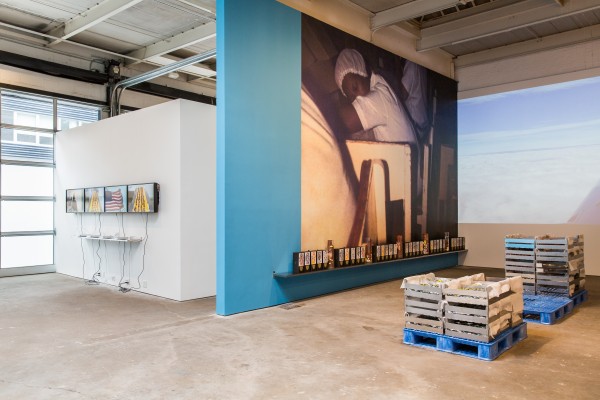
Oscar Murillo was born in 1986 in La Paila, Colombia. He lives and works in London, where he earned his B.F.A. in 2007 from the University of Westminster, followed by his M.F.A. in 2012 from the Royal College of Art. In 2013, the artist joined David Zwirner. His first gallery solo exhibition, titled ‘A Mercantile Novel’, was presented at David Zwirner, New York in 2014, on 19th street, where Murillo converted the Chelsea space into a fully operational candy factory, modeled on the one in La Paila, importing everything from actual workplace signage to a real production line.

ZWIRNER_042914_RUDD_045-600x400

gallery installation view from Oscar Murillo’s exhibition David Zwirner gallery New York  ‘A Mercantile Novel’
April 24 – June 14, 2014 @david zwirner gallery, NY

….Soft-spoken and shy, Murillo works alone, without assistants, in a scrappy one-room studio in East London, where canvases, oil paints and debris cover the floors, and irons and sticks are strewn everywhere. He uses old sewing machines to stitch together squares of canvas, which he  then flattens with an iron, often painting their surfaces with a stick rather than a brush.  (Carol Vogel. at the NYTimes, “Art World Places Its Best, March 16, 2014- Oscar  Murrillo show at the NY Zwirner gallery )

OM-binary-function-3-600x367

installation view, Oscar Murillo, David Zwirner London gallery, @davidZwirnergallery

The gallery will host a conversation between Oscar Murillo and Jack Tan at Frieze art fair on Saturday, October 17, at 11 am.

‘binary function’ at David Zwirner gallery, London

Munich; Sheila Hicks at Espace Louis Vuitton

‘Predestined Colour Waves’, Sheila Hicks
8 October 2015 – 23 January 2016

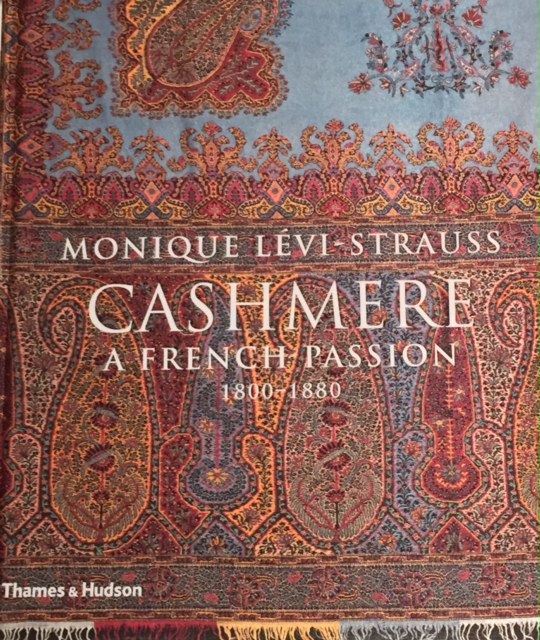
A beautiful and elegant opening last evening at The Espace Louis Vuitton München “Predestined Color Waves”, the first monographic exhibition in Germany since 1970 of the unique oeuvre of the Paris-based American artist Sheila Hicks.

IMG_7822

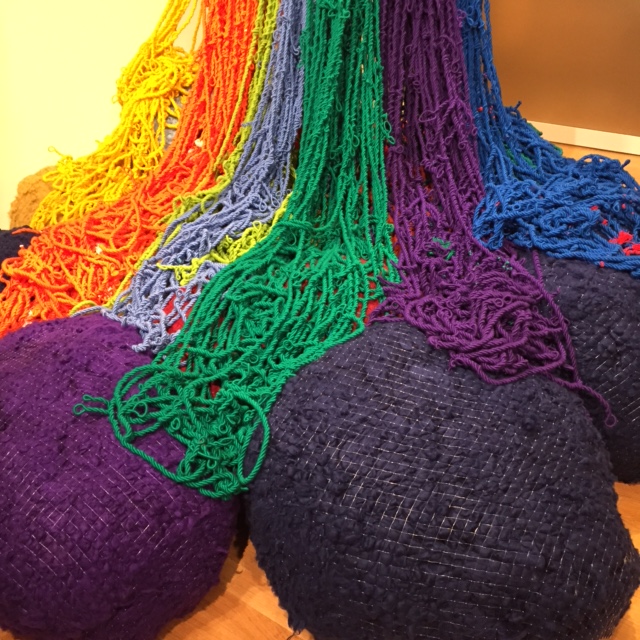
Atterrissage, 2014, pigments, fibres acryliques, 480 x 430 x 260 cm (dimensions variables).  Courtesy galerie frank elbaz, Paris


Sheila Hicks has long had a passion for architecture, and many of her works respond directly to the built environment: braided bas-reliefs, hanging soft sculpture, abstract tapestries.

Anja Kaehny

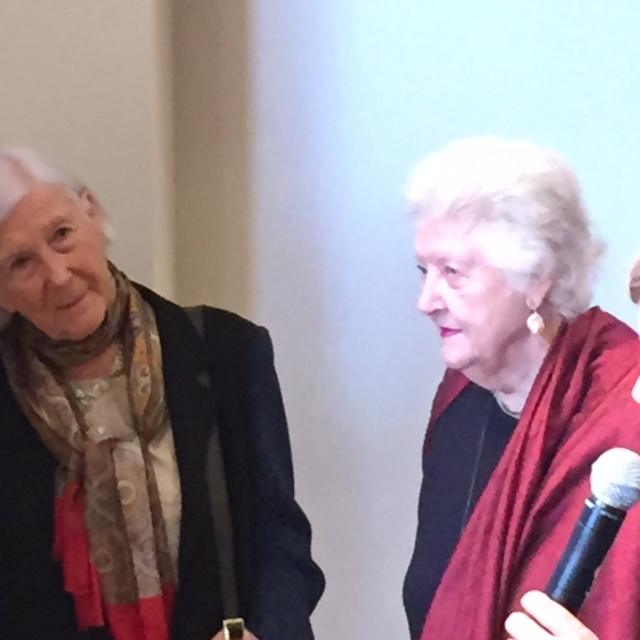
Anja Kaehny , director of Espace München(left), Sheila Hicks and Monique Lévi-Strauss, photo@VK

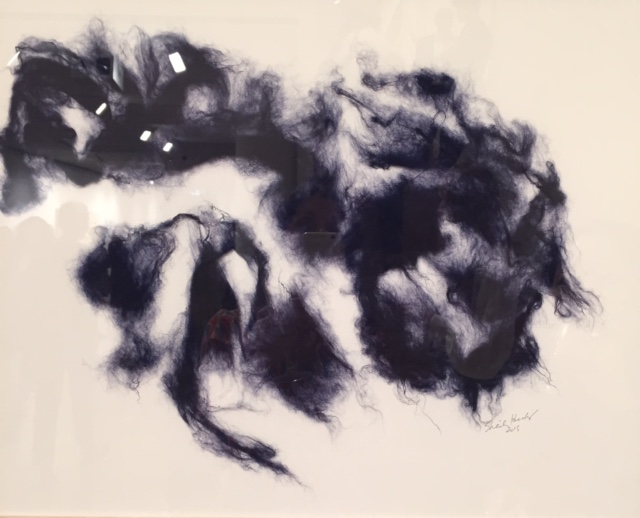
Creating new interpretations of age-old textile techniques, the artist has developed her own experimental and idiosyncratic style incorporating natural fibres, synthetic blends, and at times found objects, organic matter, and industrial materials. Colour, texture, and structure are her central concerns. Hicks’s art is informed by her academic training in Modernism, her encyclopaedic knowledge of historical textiles, her tireless exploration of new technologies, and a lifelong love of investigating different cultures. Painting, photography and archaeology were important early influences during her extended travels and stays in Latin America. (gallery press, Alison Jacques gallery, London) 

IMG_7830

Monique Lévi-Strauss (left) and Sheila Hicks, photo@VK

An interest in architecture, sparked during her student years at Yale University where Louis Kahn and Vincent Scully taught and intensified during her residence in Mexico when she met Felix Candela, Luis Barragán, and Ricardo Legorreta, became a cornerstone of her practice.

Sheila Hicks was born in Nebraska in 1934, and as teenager she used to explore the galleries of the Art Institute of Chicago, where she became so impassioned by Peruvian textiles that she talked her way into the storerooms.  After two years at college she transferred to Yale  Art School, where she was one of the female students and where she encountered tow formative professors.  One was Josef Albers, who had brought the principles of the Bauhaus with him to the United States.  Albers was a renewed pedagogue, and his courses included a heavy dose of colour theory. Hicks also undertook independent studies with Alber’s wife, Anni, who shared her interest in textiles.

FullSizeRender 3

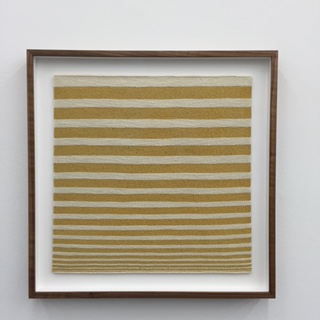
Dessin III, 2014, fibre, 61 x 46 cm,  Drawing III, 2014, fiber, 24 x 18 in.
Courtesy galerie frank elbaz, Paris

FullSizeRender

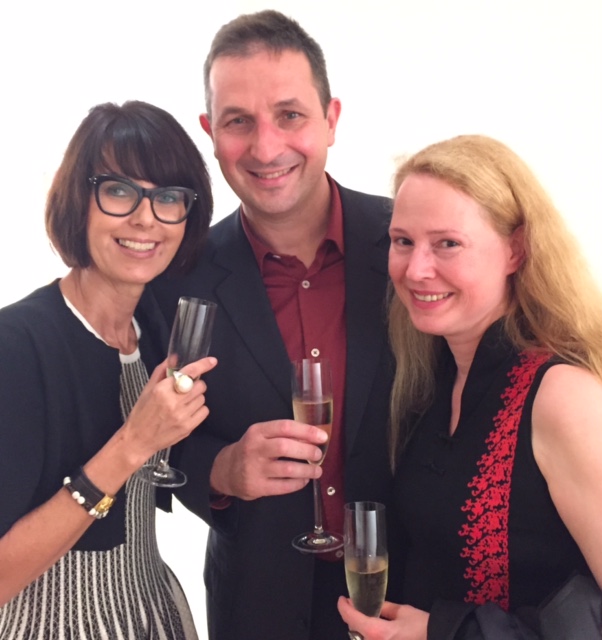
(left to right)Dr Kirsten Gabrielle Schrick, Dr Ralph Senft & Sabine Senft, photo@VK

FullSizeRender 2

Ferdinand Huwendiek & Alexandra Eley, photo@VK


FullSizeRender 4

The exhibition is made possible by the loan of Atterrissage (2014) from the Fondation Louis Vuitton in Paris. It is accompanied by a catalogue featuring an essay by the art critic Jason Farago and contributions by the writer and textile scholar Monique Lévi-Strauss and Stephanie Rosenthal, artistic director of the 2016 Biennale of Sydney.

IMG_7821

photos@VK

Kochel am See; ‘ Willi Baumeister and Paul Klee – Structure and Vision’ at Franz Marc Museum

Willi Baumeister und Paul Klee – Struktur und Vision
– shades of black – Grafik der Nachkriegszeit
4. Oktober 2015 – 10. Januar 2016
opening speeches:  Dr Cathrin Klingsöhr-Leroy (director, Franz Marc Museum) and Dr. Christine Hopfengart (art historian, Berlin) and Dr Iris Nocker, Professor at LMU.

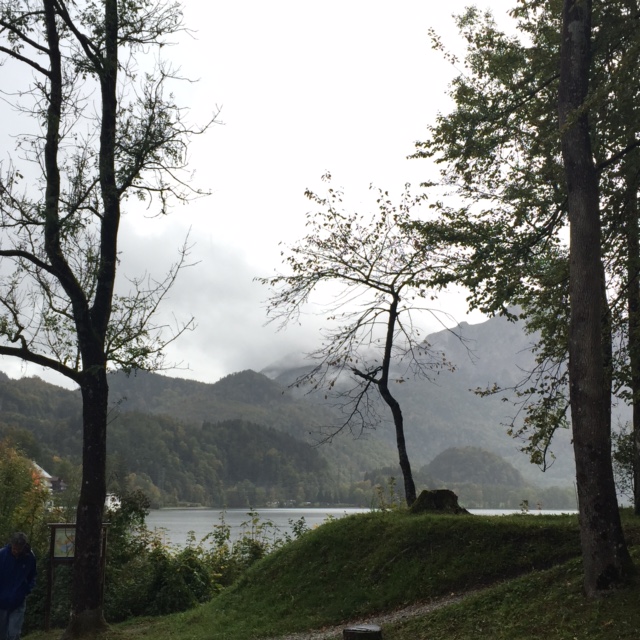
A beautiful rainy morning visit, preview at the Franz Marc Museum.  Nestling in picturesque natural surroundings the Museum has been presenting Franz Marc’s work within the context of the 20th century in its new building since 2008.

IMG_7798

IMG_7753

IMG_7762

Despite their age difference of just ten years, Paul Klee (1879–1940) and Willi Baumeister (1889–1955) seem to belong to two different generations.
While Klee is to be included among the early avant-garde of the 20th century, Baumeister is associated with the rebirth of modernism in Germany after World War II in particular.
In the process the paths they took often ran parallel.Both painters followed tendencies in abstraction marked by a joy in experimenting with a wide-range of techniques. Their spezial interest in natural, organic forms and new, alien pictorial worlds also makes a comparison between Willi Baumeister and Paul Klee and their artistic developments especially fascinating.     Based on the major, representative holdings of works by Klee and Baumeister in  the Franz Marc Museum, the exhibition explores the dialogue between the two painters and highlights the common ground they shared. (museum press) 

….In the modern exhibition building, which expands the old building with an exhibition area of 700 m2, the work of Franz Marc can be put into a new context. His oeuvre, represented beforehand solely by the collection of the Franz Marc Foundation, can be contrasted with the work of his contemporaries like the “Brücke” artists thanks to the addition of the collection of the Etta and Otto Stangl Foundation. In dialogue with works of German post-war abstraction, Franz Marc can also be appreciated in terms of his effect on the art of the second half of the 20th century. (virtual view of the museum)

Right next to the old building, which housed the Franz Marc Museum for twenty years, came the new building which is home not only to the inventory of the Franz Marc Museum but also the collection of Etta and Otto Stangl.

IMG_7782Etta and Otto Stangl with Maria Marc, around 1950

Unknown

IMG_7766

IMG_7747

photos@VK


Munich; David Claerbout at galerie Rüdiger Schöttle

My highlight exhibition during the  recent gallery weekend openings, David Claerbout at Galerie Rüdiger Schöttle.   12.09.2015 – 07.11.2015
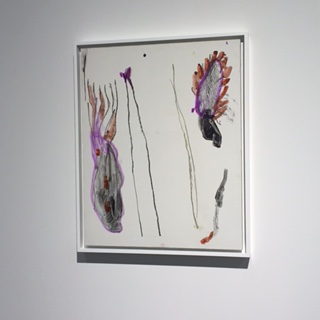
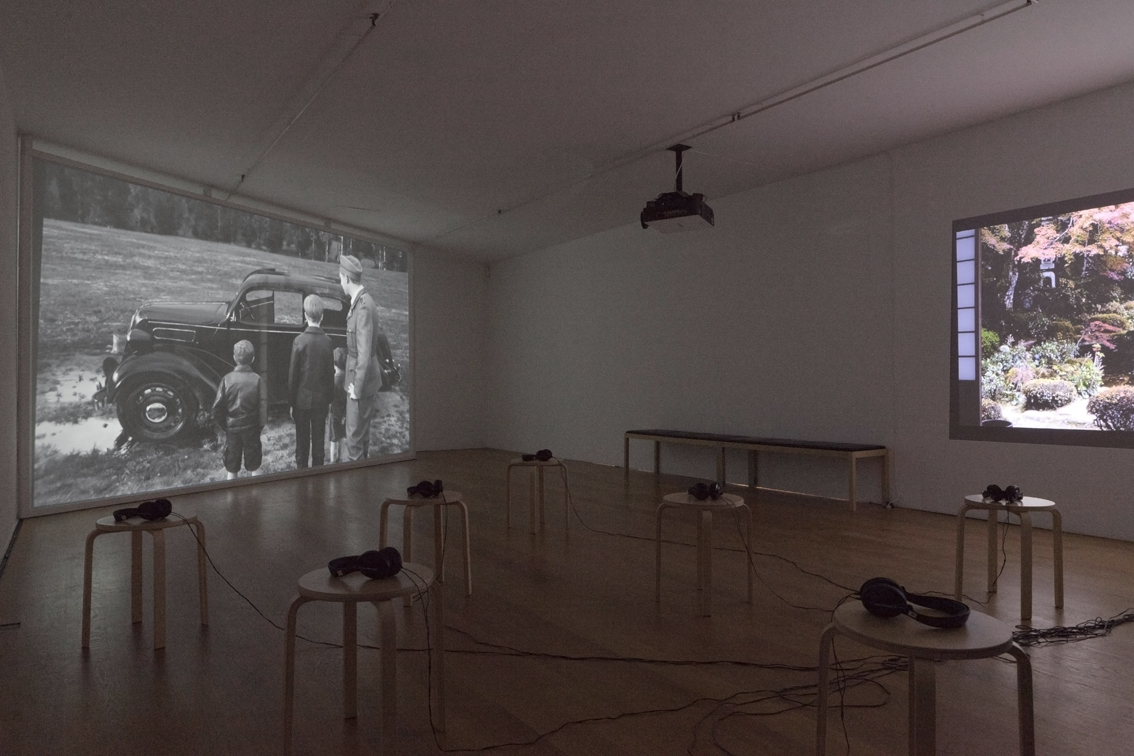
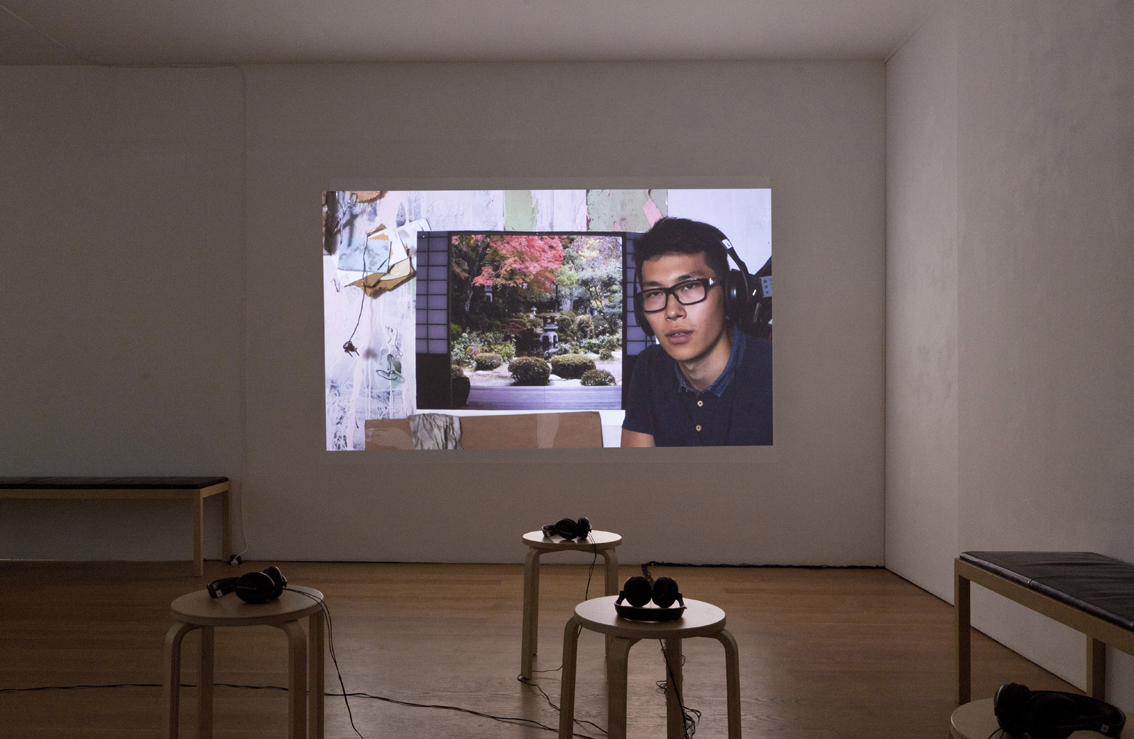
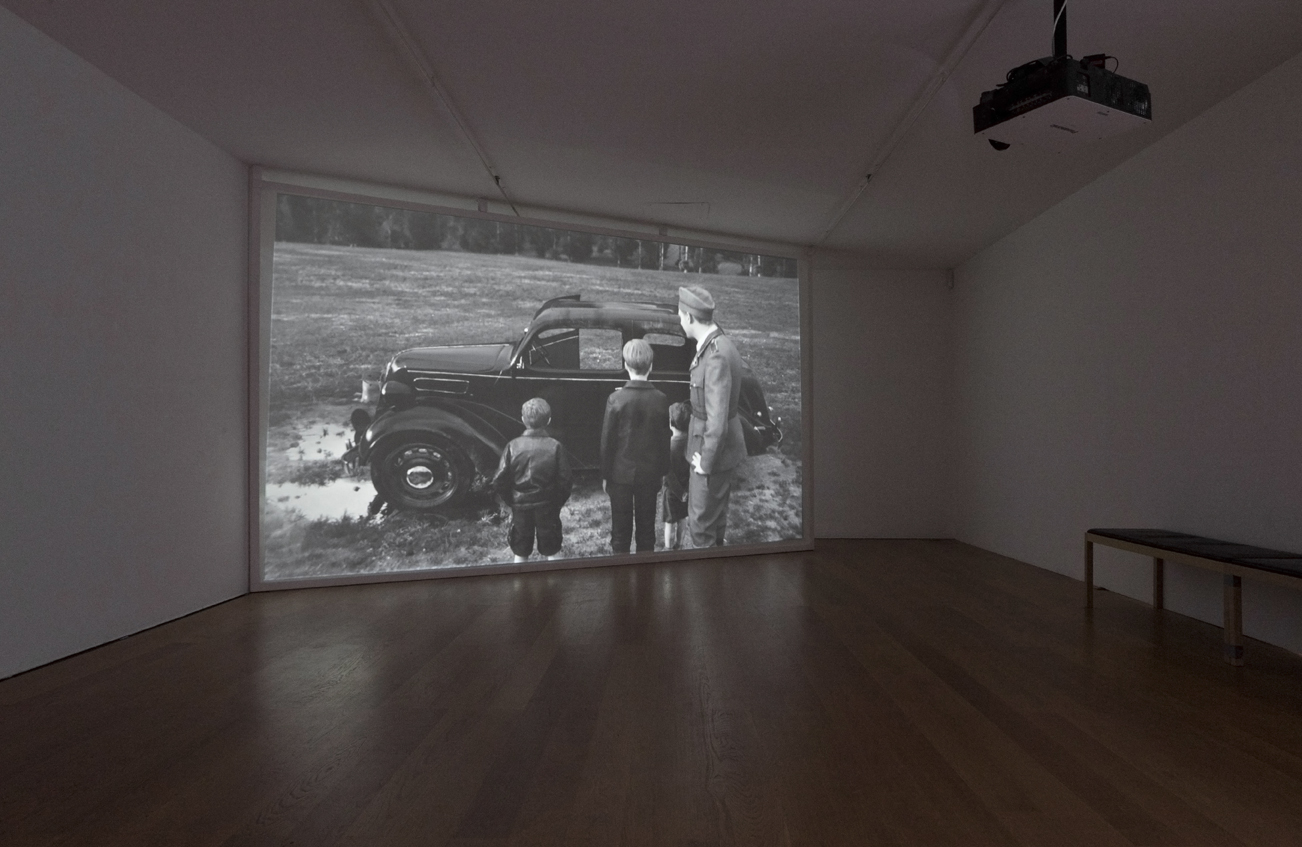
The internationally renowned Belgian video artist David Clearbout has created and developed an environment specifically for this  exhibition, presenting  the audiovisual installation “Radio Piece (Hong Kong)” and the video installation “Highway Wreck,” examining  the concepts of time and space.

David Claerbout-1_72dpi

David Claerbout-7_72dpi

Installation  view: David Claerbout at Galerie Rüdiger Schöttle, 2015. @Galerie Rüdiger Schöttle
Foto: Ulrike Boehm


The audiovisual installation “Radio Piece (Hong Kong)” from 2015 – a collaboration with RAY Fotografieprojekte Frankfurt/RheinMain – begins with the image of a Zen garden, which in the next progression turns out to be a picture in a small chaotic room. The camera gradually tracks away from this room until only the facades of Hong Kong’s notorious Kowloon Walled City are visible; a district on the Kowloon peninsula, which in 1987 had the world’s largest population density. For a long time, its legal status was unclear until it was eventually torn down in 1993/1994. (gallery press)IMG_7337

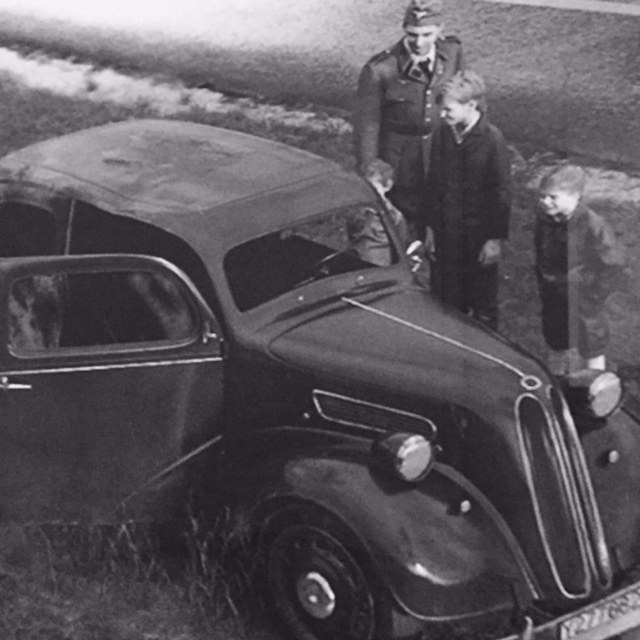
David Claerbout, Highway Wreck, 2013, 15 min 35 sec loop
single channel video, HD animation, black & white, silent@Galerie Rüdiger Schöttle

The video projection “Highway Wreck” from 2013 is based on a more than seventy-year-old black and white photograph showing some children and a soldier who are intrigued by the wreckage of a recent car crash. By adding images of laborers and onlookers, Claerbout condensed the photograph to a moment from which its original urgency has become detached and the spectacle thus has been disarmed. (gallery press)

David Claerbout (born 1969, Kortrijk, Belgium) is a Belgian artist working in the media of photography, video, sound, drawing and digital arts, though perhaps he is best known for his large scale video installations. His work exists at the meeting point between photography and film, and is at the forefront of this contemporary dialogue.

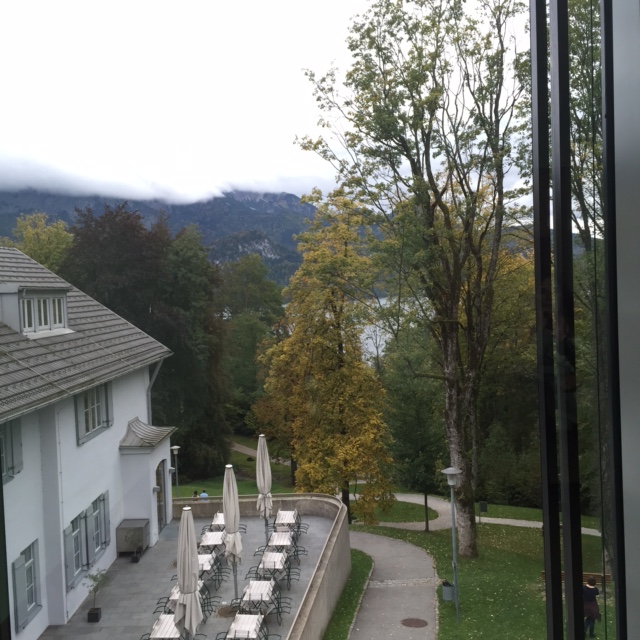
I Enjoyed very much the fall ambience of the terrace over a small sushi bar a lovely invitation by Rüdiger Schöttle

FullSizeRender copy

Dr. Ralph Senft & Sabine Senft, photo@VK

FullSizeRender copy 2

Brygida Ochaim, terrace photos@VK

and enjoy conversation with lovely Brygida Ochaim always,

Recently exhibition “David Claerbout, Performed Pictures” (10 June – Sept 13, 2015) at Mamco in Geneva

David Claerbout-8_72dpi

Installation view :David Claerbout at Galerie Rüdiger Schöttle, 2015.
Foto: Ulrike Boehm @Galerie Rüdiger Schöttle

Munich; a melancholic sunday afternoon reading “Το Παραμυθι της Βροχης” της Τεσυ Μπαιλα

A melancholic Sunday afternoon in Munich glancing again this marvelous book, “Το παραμυθι της βροχης” της Τεσυ Μπαιλα, εκδοσεις  Δοκιμακης.

11902390_933843583323943_614799817886400499_n

«Μια φορά κι έναν καιρό», άρχισε να σιγοψιθυρίζει η Χριστίνα, «ήταν μια όμορφη κοπέλα. Φορούσε ένα καφέ φόρεμα και περπατούσε μόνη της σ’ ένα κάμπο. Την έλεγαν Γη. Είχε περάσει πολύς καιρός από τότε που είχε για τελευταία φορά καρπίσει. Τότε που καταπράσινα χορτάρια είχαν φυτρώσει στο μακρύ της φόρεμα και κόκκινες παπαρούνες είχαν γεμίσει όλο τον ποδόγυρό της. Μέσα στη γη, κρυμμένο βρισκόταν ένα σποράκι, ένα τόσο δα σποράκι, που όμως το καημένο δεν μπορούσε να βλαστήσει. Χρειαζόταν νερό πολύ, μια γερή κατεβασιά νερού που θα πλημμύριζε το χώμα της γης και θα το έκανε να ζήσει. Ένα περαστικό συννεφάκι άκουσε το παράπονό του. Στάθηκε πάνω από το χώμα και το ρώτησε γιατί κλαίει. Το σποράκι τού είπε τι συνέβαινε. Με λίγο νερό θα μπορούσε να γίνει ένα κατακόκκινο λουλούδι και να στόλιζε τη Γη. “Και γι αυτό στενοχωριέσαι;” το ρώτησε το συννεφάκι. “Περίμενε και θα δεις”. Έβαλε τα δυνατά του το σύννεφο να κλάψει, σφίχτηκε, ξανασφίχτηκε, φούσκωσε τα μάγουλά του, κόντεψε να σκάσει, μα τίποτα δεν κατάφερε. “Τα βλέπεις;” είπε το σποράκι. “Τίποτα δε γίνεται”. Μάταια προσπαθούσε για ώρα το σύννεφο. Δεν κατάφερνε να κλάψει. Άρχισε να θυμάται πράγματα που είχε δει από ψηλά και το είχαν στενοχωρήσει, μήπως και καταφέρουν τα δάκρυα να βρουν το δρόμο τους προς τη γη. Και πάλι τίποτα. Εκείνη την ώρα έφτασε κοντά στο σύννεφο ένα άλλο συννεφάκι. Το αδελφάκι του ήταν. Ήταν γκρίζο και με δυσκολία μπορούσε να κινηθεί στον ουρανό. “ Τι κάνεις εσύ εδώ;” ρώτησε απορημένο που τόση ώρα το έβλεπε να στέκεται εκεί αμετακίνητο. Το λευκό συννεφάκι τού εξήγησε τι συνέβαινε, του είπε για το σποράκι, του είπε για το κλάμα που δεν ερχόταν.
“Θα σε βοηθήσω εγώ”, του είπε κι άρχισε σιγά-σιγά να κλαίει με ευκολία. Το σποράκι δέχτηκε το νερό που το γκρίζο σύννεφο του χάριζε και μέσα στη δροσιά που εισχώρησε στο χώμα άρχισε να φουσκώνει, να φουσκώνει όλο και πιο πολύ, ώσπου στο τέλος έσκασε, κι ένα μικρό, πράσινο φυλλαράκι, σαν κεραία φύτρωσε στο κεφάλι του. Λίγο καιρό μετά μέσα από το χώμα ξεπετάχτηκε ένα τόσο όμορφο, κόκκινο λουλούδι που άλλο όμοιό του κανείς δεν είχε δει. Το φόρεμα της Γης είχε γεμίσει μαργαρίτες, παπαρούνες και τριαντάφυλλα αλλά όλοι μιλούσαν για το παράξενο λουλούδι που είχε φυτρώσει. Τα συννεφάκια αγκαλιασμένα στον ουρανό καμάρωναν, και το λουλούδι λικνιζόταν στον άνεμο που απαλά φυσούσε τα φύλλα του».

Από το ” παραμύθι της βροχής’ της Τέσυ Μπάιλα!

51

Η Τέσυ Μπάιλα κατάγεται από τις Κυκλάδες;  γεννήθηκε στον Πειραιά. Σπούδασε Ιστορία Ελληνικού Πολιτισμού και μετάφραση Λογοτεχνίας. Ασχολείται με τη φωτογραφία και ατομικές της εκθέσεις έχουν φιλοξενηθεί στο πανεπιστήμιο Gakugei της Ιαπωνίας και στην Αθήνα. Είναι συντάκτρια του λογοτεχνικού περιοδικού Κλεψύδρα. Παράλληλα δημοσιεύει δοκίμια σε εφημερίδες και περιοδικά. Κυκλοφορούν τα βιβλία της: Το πορτρέτο της σιωπής, εκδ. Έναστρον, ‘Το παραμύθι της βροχής’, εκδ. Δοκιμάκης και ‘Το μυστικό ήταν η ζάχαρη’ και “Ουίσκι μπλε’ εκδ.Ψυχογιός.

11953189_933823886659246_6632716132931727146_n

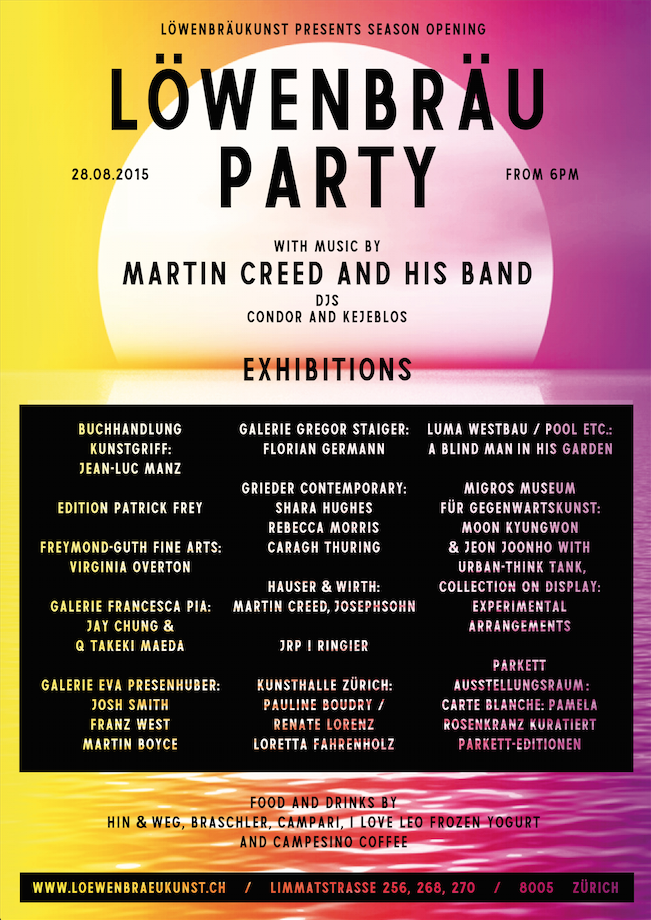
Zürich; art gallery weekend:Löwenbrau Art Complex bldg galleries; Hauser & Wirth; Eva Presenhuber ;Grieder Contemporary ; Maag Areal galleries:Peter Kilchmann et more and the furniture designers INCH

A 24 hour trip to Zürich with my wonderful friend, art advisor /Munich, Martina Tauber to attend the gallery weekend fall opening  art scene.

We started with a wonderful exhibition at Bolte Lang gallery with the exhibition “Dirt Club” with  Henning Strassburger. A wonderful walk thru with  Chaja Lang.

IMG_6916

Bolte Lang gallery, Henning Straussburger, exhibition view, photo@VK

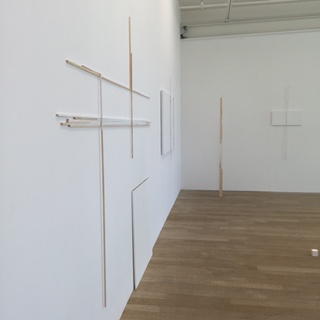
Moving to Maag Areal to Peter Kilchmann for Fernanda Gomes; first solo show at the gallery; a beautiful and poetic exhibition. On display, there are new works made out of basic materials, such as wood, plexiglass, paper, threads and metal. Gomes transformed these objects in a subtle way, to create unusual, suggestive connections between the various materials.

IMG_6920

IMG_6924

IMG_6925

Fernanda Gomes at Peter Kilchmann, photos by VK by permission

Next stop at Eva Presenhuber Gallery for Martin Boyce exhibition “Inside rooms drift in and out of sleep While on the roof An Alphabet of aerials Search for a language”

The works of Martin Boyce speak of other spaces.

Of spaces that seem near to us yet remain strange. Of spaces in which the familiarity of the objects collides with the abstractness of their forms, and an echo of history reverberates in the presence of their physicality. Of spaces in which the organic appears in architectural form, the outworn in the untouched, and the everyday in the exemplary. And of spaces that open and shut, that fold the inner outward and the outer inward, of spaces that become passageways in which the expanse of landscape continues to breathe in the seclusion of the interior. (gallery press)

IMG_6936

Martin Boyce, “While on the Roof”, 2015, jesmonite,steel and aluminum

IMG_6939

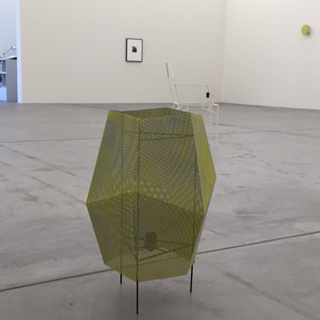
Martin Boyce, “Dead Star”(yellow), 2015, painted & blackened steel, photo@VK

IMG_6947

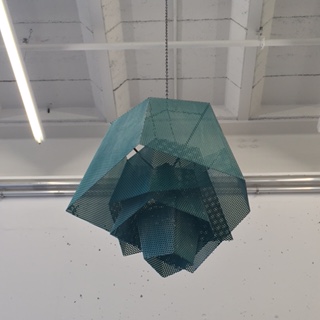
Martin Boyce “Dead Star (metal palms0”, 2015, painted steel, brass, cast and painted bronze, 2-parts chandelier,  photo@VK

Next  stop at Grieder Contemporary “Abstract Horizons” with  Shara Hughes, Rebecca Morris, Caragh Thuring curated by Melli Ink. Lovely talk with Melli Ink also about her own  lovely ceramic work; Thank you Melli for your lovely book gift.

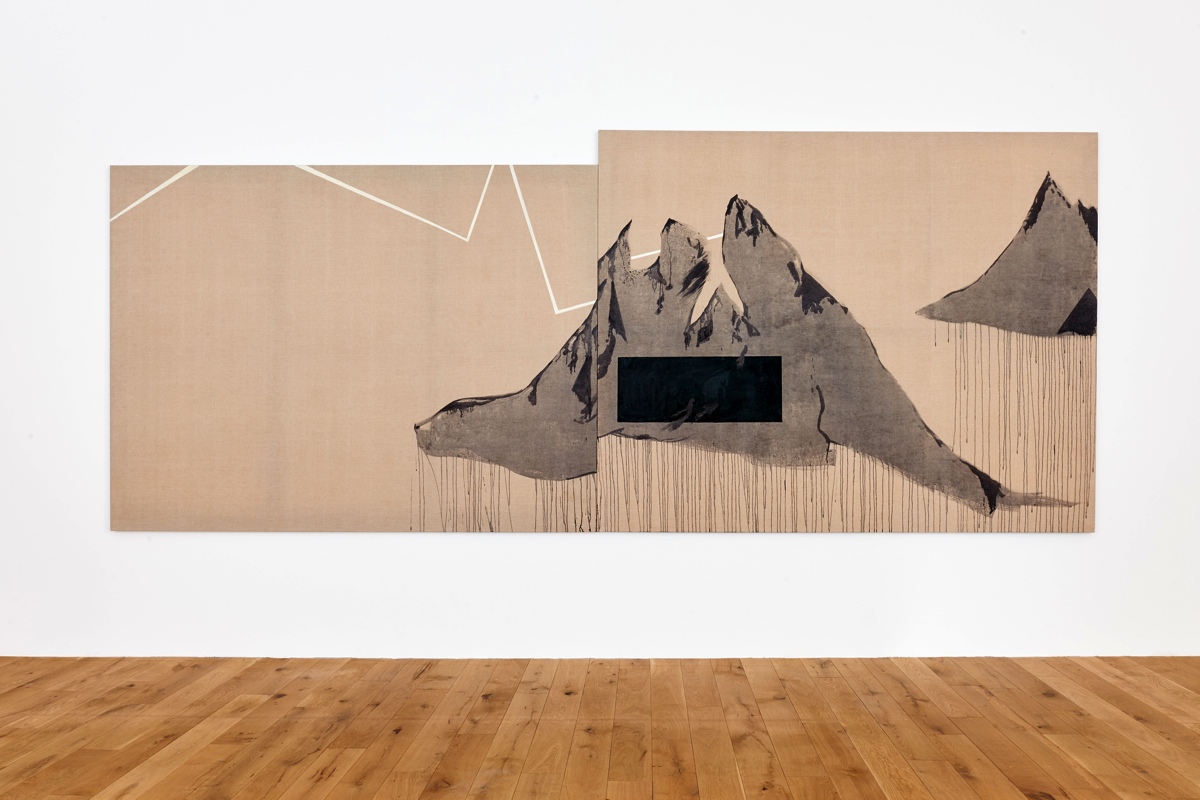
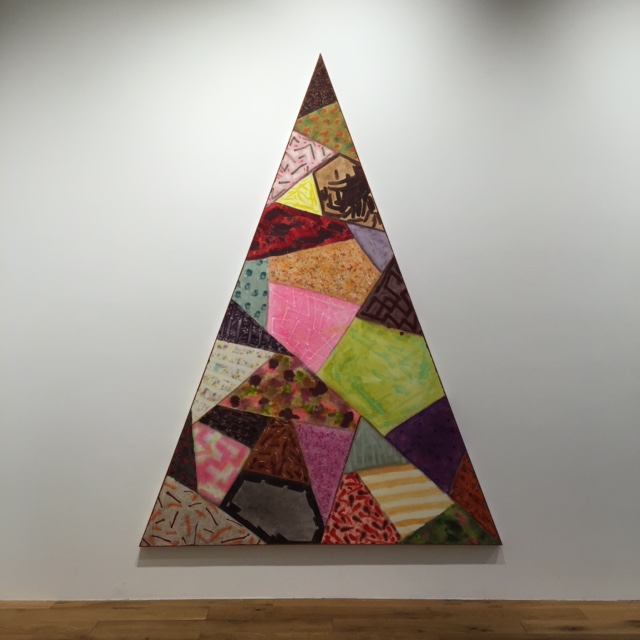
Sarah Hughes, Rebecca Morris and Caragh Thuring represent a new generation of painters who have discovered working methods and forms of expression enabling   each of them to develop a wholly personal and independent visual idiom. All three take great pleasure in the act of painting, in experimenting and in consciously opting for the myriad of possibilities offered by painting as a genre. 

2015_Abstract_Horizons_2

Caragh Thuring at Grieder Contemporary

IMG_6950

Rebecca Morris at Grieder Contemporary

Continue to Löwenbrau Art Complex  galleries bldg at Limmatstrasse ;  Martin Creed and Josephsohn at Hauser & Wirth ; Followed by the Season Opening Summer Party
Performance by Martin Creed and his Band

Words and sound play an essential role in Martin Creed’s work. He considers his work as a musician and composer as inseparable from his work as a visual artist. Indeed, his paintings and sculptures can be thought of very much like pieces of music, in which each interpretation is different and in which rhythm and colour plays an important role…(gallery press) 

IMG_6968

IMG_6966

IMG_6963

IMG_6971

Martin Creed at Hauser & Wirth, photo@VK
We continued to Eva Presenhuber for the Franz West/Möbelskulpturen_Furniture Works  and Josh Smith.  Thank you Christian Schmidt for walking us thru those lovely exhibitions.

IMG_6976

IMG_6978

IMG_6982

 Josh Smith exhibition at Eva Presenhuber gallery, photos@VK
Taking a look at the Pool Project “A Blind Man in His Garden” 
The exhibition is curated by de Appel alumni Kris Dittel (b. 1983, Slovakia) and Emma Panza (b. 1985, Italy) and mentored by Lorenzo Benedetti, Director at de Appel arts center, Amsterdam. (on view till sept 27, 2015)

A Blind Man in His Garden is an exhibition that emphasizes subjective narratives, and puts forward a reading of an artwork, or exhibition, based on personal associations, previous knowledge and encounters. The title of the exhibition also refers to Joel Sternfeld’s photograph, A Blind Man in His Garden, Homer, Alaska, which suggests that there is a potential of artworks to trigger single or multiple narratives. By shifting the attention away from the visual experience of a lush rural landscape towards the imagination of vivid sensations, probably felt by the depicted man, the artwork encompasses numerous possibilities to experience it beyond its visual qualities. (curators’ note)

IMG_6983

Jorge Pardo, Laverriere Janette,Peter Fischli/David Weiss,Mark Bradhford,Monica Bonvicini

IMG_6986

Danai Anesiadou, “L’Adolescente”, 2010

IMG_6984

Seth Price, “Untitled”,1985/1996, silkscreen print on metal,114.3x 57.2 cm

bildschirmfoto_2015-08-26_um_10.39.25

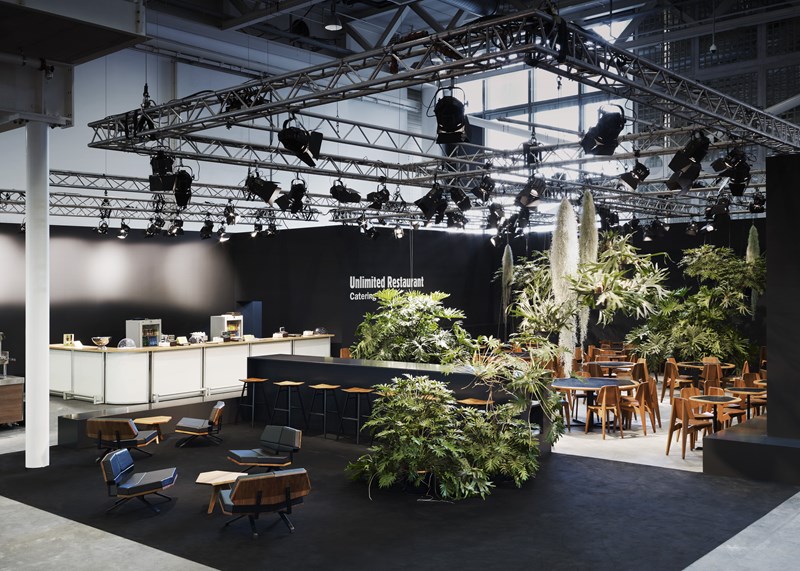
Next day, Martina and myself, upon her insistence,  we visited the studio of the furniture designers INCH, whom we have seen in Basel in 2013, at the Unlimited restaurant. Inch furniture has stood for teak furniture since the founding year 2004. The founders Thomas Wüthrich and Yves Raschle got to know the woodworking school PIKA during a longer non-profit making work stay in Indonesia.  The available knowhow and the exemplary running of the school impressed and inspired the two. The idea for a co-operation with PIKA was born which was a lovely coincidence.

inCH_ART-BASEL-2-35102_1.png

Basel, 2013,  Art Unlimited restaurant, run by HILTL vegetarian catering.

13_08_23_INCH-FURNITURE-ENAM-021-def_bis_1.png

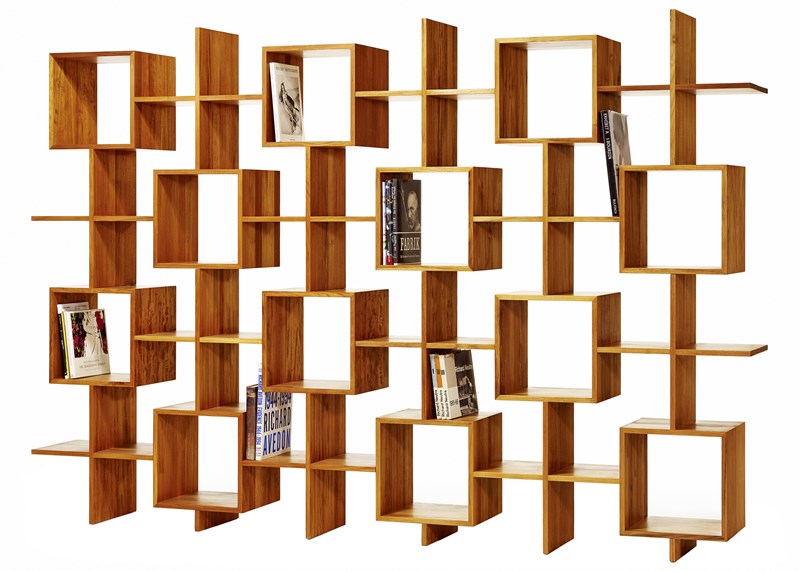
one of my favorites at INCH, “Enam”,  Solid teak, oiled

Produktion-Impression-4.png

Produktion-Impression-3.png

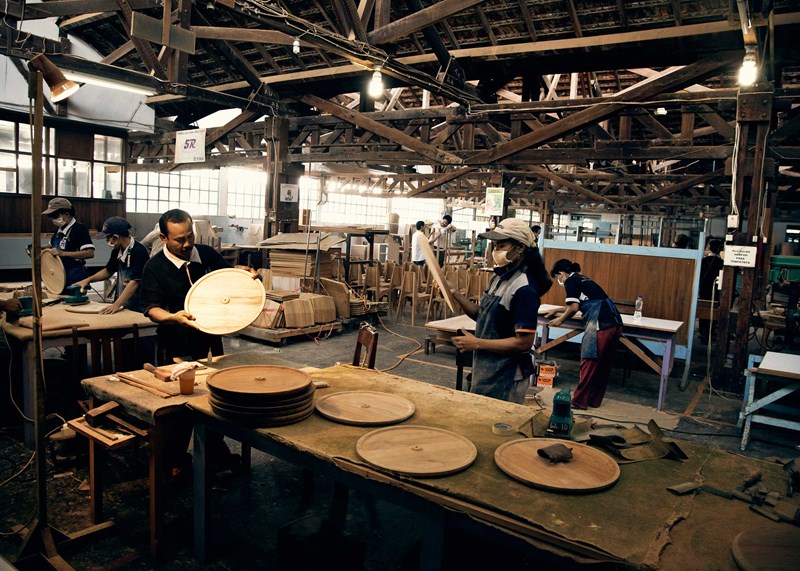
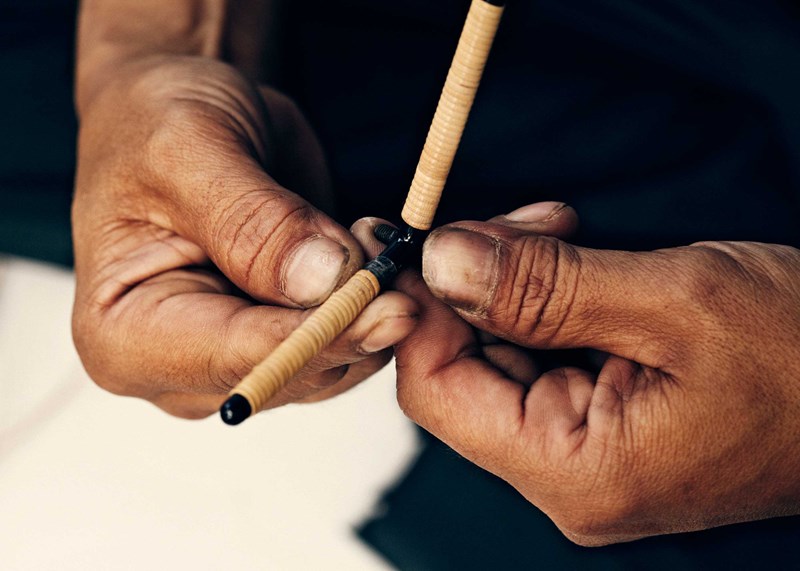
A glimpse into the production site of the woodworking school PIKA. The carpentry enterprise was founded in 1953 and in 1971, complemented with a school. Beside manufacturing high-quality furniture, PIKA has also made a name for themselves countrywide as an exemplary education institution.

west_3450_2.png

In the distinctive bridge arches of Zurich’s “im Viadukt”, the showroom Westflügel.


Munich at Villa Stuck ‘Evelyn Hofer (1922 – 2009) Retrospektive’

18. Juni – 20. September 2015

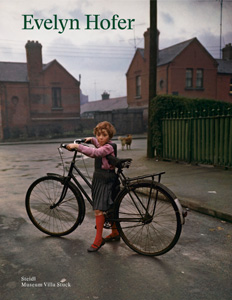
A visit yesterday, on a  hot afternoon in Munich, at Villa Stuck, a great exhibition by Evelyn Hofer (1922 – 2009)

Bild05
Evelyn Hofer
Mädchen mit Fahrrad | Girl with Bicycle, Dublin 1966
Courtesy Galerie m Bochum © Estate of Evelyn Hofer

Evelyn Hofer’s work has influenced such photographers as Thomas Struth, Joel Sternfeld, Adam Bartos, Rineke Dijkstra, Judith Joy Ross, and Alex Soth.There have been retrospectives of her work at the Musée de l’Elysée in Lausanne (1994); the Aarggauer Kunsthaus in Switzerland (2004); and the Fotomuseum The Hague (2006). Last year her work was shown in Munich’s Villa Stuck as part of the Goetz Collection in the exhibition “Street Life and Home Stories” alongside the work of the photographers William Eggleston, August Sander, Diane Arbus, Thomas Struth, and Nan Goldin.

When Hofer was eleven her family fled Nazi Germany for Switzerland. She decided she wanted to be a photographer and set about it methodically. She began with an apprenticeship at the Studio Bettina, a portrait studio, and took private lessons with Hans Finsler, one of the pioneers of the “New Objectivity” movement.

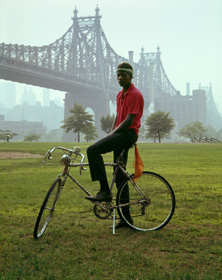
Bild01

Evelyn Hofer
Queensboro Bridge, New York 1964
Courtesy Galerie m Bochum © Estate of Evelyn Hofer

Hofer’s studies covered everything from photographic technique to art theory. She didn’t just learn composition and the underlying theories of aesthetics, she also learned the chemistry involved in producing prints. Beginning in the early 1960s she became one of the first fine art photographers to adopt the use of color film and the complicated dye transfer printing process as a regular practice. Throughout her long career, Hofer continued to shoot in both color and black and white – determining which was the more apt for the picture at hand. (from Vivid Remediations)
After spending several years in Mexico in 1942, where published the first photographs in the Mexican magazine Mañana, which was designed in the style of international Illustrated as Life, Hofer draws in 1946 finally to New York. There she takes her freelance work as a photographer for newspapers and magazines and has worked mainly as a fashion photographer for Harper’s Bazaar and later for Vogue…(Villa Stuck press) 

images-7
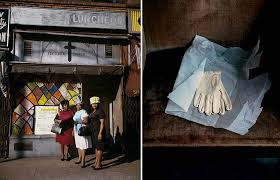
Hofer established with her  city portraits characteristic motifs and themes that run through her entire oeuvre. Especially her portraits recall the formal structure of the image conception as it is known by August Sander, whose tradition they evolved independently. This city portraits form a central chapter in the exhibition.

images-5

Bild11

Evelyn Hofer
Miranda [Richardson], London 1980
Courtesy Galerie m Bochum © Estate of Evelyn Hofer

ma-31277057-WEB

On  third floor at Villa Stuck, one may see the orders for Time-Life Library in the late 1960s, followed in the 1970s, photo essays for magazines such as Life International, The New York Times Magazine and the London Sunday Times Magazine. 

6271175441_00948e57f6_b

Frühling | Springtime, Washington 1965
Courtesy Galerie m Bochum © Estate of Evelyn Hofer

images-8
In addition,  Hofer characteristic portraits of artists, portraits of literary figures and famous personalities of the late 1970s are represented by the mid-1990s in a range, such as with photographs of Saul Steinberg, Jean-Michel Basquiat or Andy Warhol. Parallel to this series of portraits of unknown models, such as in Just Married (1974), Basque People (1980) or People of Soglio (1991) to see.

images-4

Evelyn Hofer Lee Krasner’s Shoes, Pollock Studio, Long Island, N.Y., 1988

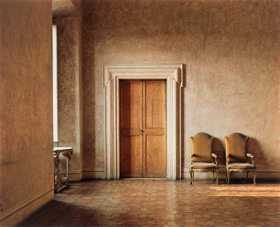
Another complex of works created over the years a variety of interiors from renowned houses and villas for magazines like House and Garden and Connoisseur. Photographs of the Villa Medici in Rome, or the Maison de Verre in Paris are classical compositions…

6271699590_7f23a9f83a_b

Bild14

Evelyn Hofer
Villa Medici, Empfangshalle, Rom | Hall, Rome 1982
veröffentlicht | published in House and Garden, Januar | January 1984
Courtesy Galerie m Bochum © Estate of Evelyn Hofer

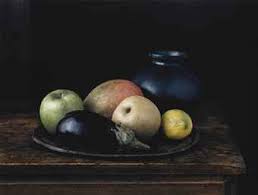
In the small last room of the exhibition, Hofer’s still life, a self-contained series of only eight photographs shows in a few shots, the essence of a classic still life composition. With symbolic contents charged compiled for decorative pleasure or viewed from purely pictorial aspects are Hofer Still life mimesis of nature, follow the realistic nature of photography and are also independent works of art formed the inspiration for the painting. 

images-1

images

film series: accompanying the retrospective EVELYN HOFER, the Museum Villa Stuck in cooperation with the Workshop Cinema, Fraunhoferstr. 9, 80469 Munich, (documentaries and feature films about and with photographers); film screenings start every Sunday, by 18 clock, on 26.7., 23.8., 6.9. and 09/13/2015, admission € 6, -.
The film series starts with the feature film “High Art” on Sunday 26 July 18.00 clock. Lisa Cholodenko’s first feature film deals with the friendship and love relationship between Syd, a young editor at a New York photography magazine, and Lucy Berliner, a drug-addicted, once celebrated and now reclusive photographer. At the same time the photo scene is mirrored in the New York of the 1990s – the boundary between art and life blurred. The photographs Berliner, all recorded by JoJo Whilden, Nan Goldin’s work is based on.
High Art, USA 1998, written and directed by Lisa Cholodenko, Camera: Tami Reiker, average: Amy E. Duddelston, Music: Shudder to Think, Cast: Radha Mitchell, Ally Sheedy, Patricia Clarkson, Bill Sage, Gabriel Mann

on Columbia Film: A conversation with Lisa Cholodenko

Evelyn Hofer (1922 – 2009)
Katalog
Zur Ausstellung erscheint eine Monographie im Steidl Verlag mit einem Vorwort von Michael Buhrs und Beiträgen von Catharina Graf, Andreas Pauly, Sabine Schmid, Bernd Stiegler und Thomas Weski.
Evelyn Hofer
2015. Hrsg. Michael Buhrs und Sabine Schmid
Steidl, Hardcover, 288 Seiten
ISBN 978-3-95829-015-0
€ 35,00

katalog

Bild17

Evelyn Hofer, Italien │ Italy 1951/51
© Estate of Evelyn Hofer

Evelyn Hofer (1922 – 2009): Video zur Retrospektive im Museum Villa Stuck

more here(NYTimes)  and photomuseumdenhaag

Munich_at kunstverein_k.m ‘Sudoku’

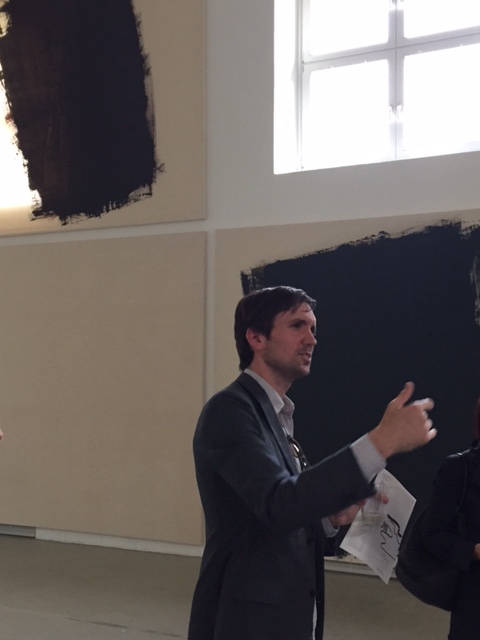
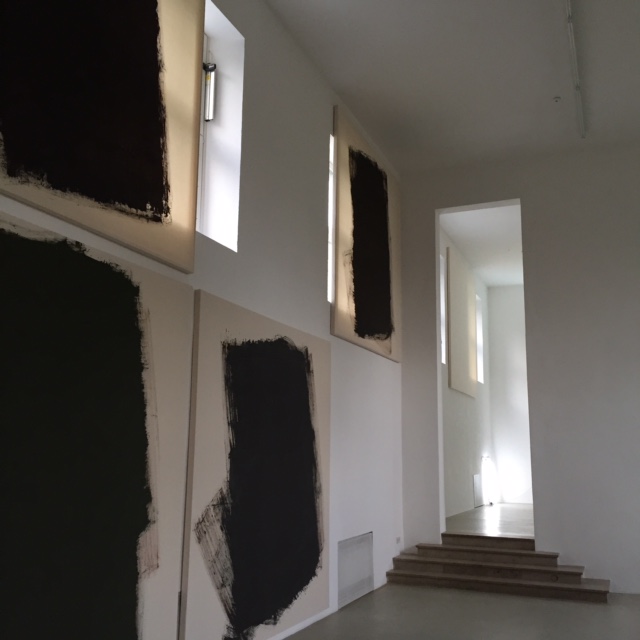
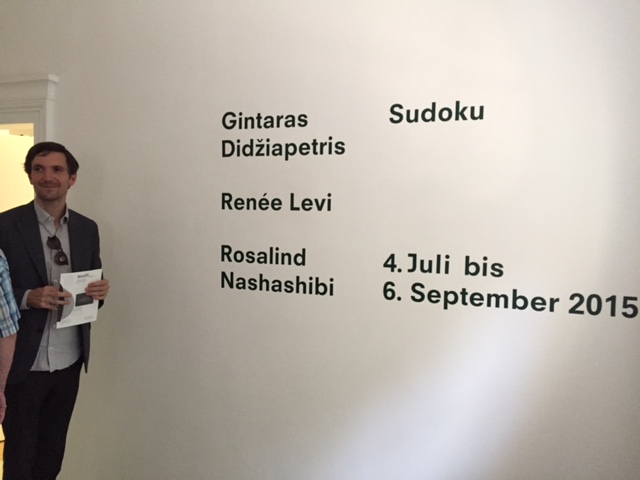
Yesterday afternoon, a walk through of the exhibition ‘Sudoku’ at Munchen Kunstverein by its director Chris Fitzpatrick.

From 4 July until 6 September 2015, Kunstverein München presents ‘Sudoku’ — an exhibition by Gintaras Didžiapetris, Renée Levi, and Rosalind Nashashibi.

IMG_5920

IMG_5907

The exhibition is titled after  a popular Japanese puzzle ‘Sudoku’ which deductive logic is used to fill a concentric grid of squares with the numbers 1 through 9 in correct locations. Each artist has used the puzzle’s restrictive rules as a productive system for responsively creating new individual work, re-presenting existing work in new ways, and exhibiting it all within a collective installation that is both symbiotic and parasitic.  (k.m press handout, edition of 1250 copies)

IMG_5911

IMG_5916

IMG_5918

01665

Nearly 50 works were produced individually, but the resulting exhibition is a more collective affair, which is fitting since the artists have become increasingly entangled over the years. Levi made a series of paintings in response to a film by Nashashibi, who later filmed Levi painting with a mop in her Basel studio. Likewise, Didžiapetris and Nashashibi continue to influence each other’s practices. Through Sudoku the artists’ entanglement is pulled even tighter, into a knot, through which their individual approaches are even more visible. (k.m press)

IMG_5901


photos@VK

ΑΡΧΑΙΩΝ ΤΟΠΟΣ

ΙΣΤΟΡΙΑ-ΑΡΧΑΙΟΛΟΓΙΑ-ΤΕΧΝΗ- ΕΠΙΣΤΗΜΗ-ΦΙΛΟΣΟΦΙΑ

Keith York City

History made interesting

VK

visits on art, design, architecture and literature

Eclectic Trends

Interior Design and Lifestyle Trends

maria sarri Art projects

#art_projects, #public_art, #site_specific, #post_colonial, #urban_art

Η καλύβα ψηλά στο βουνό

Σε κοίταζα μ' όλο το φως και το σκοτάδι που έχω

tangledjourneys

A personal perspective on human interest stories from an American journalist living abroad

An Englishman in Berlin

Blog about life and culture in Berlin, Germany

nefeliatelier

bits and pieces that interest me

A R T L▼R K

An Alternative Cultural Daybook

Venetian Red Art Blog

Art, the resplendent light that illuminates the world

The School Of Life

visits on art, design, architecture and literature

IGNANT

visits on art, design, architecture and literature

βλέμμα

visits on art, design, architecture and literature

λεξήματα

visits on art, design, architecture and literature

flaneries

This WordPress.com site is the bee's knees

βλέμμα

gaze at Greece

SOUZY TROS

the new T.A.M.A platform