VK

visits on art, design, architecture and literature

Category: ART

Athens_at Acropolis Museum_’Samothrace. The Mysteries of the Great Gods’

exhibition: Saturday, 20 June – Wednesday, 30 September, 2015

IMG_5697

IMG_5767

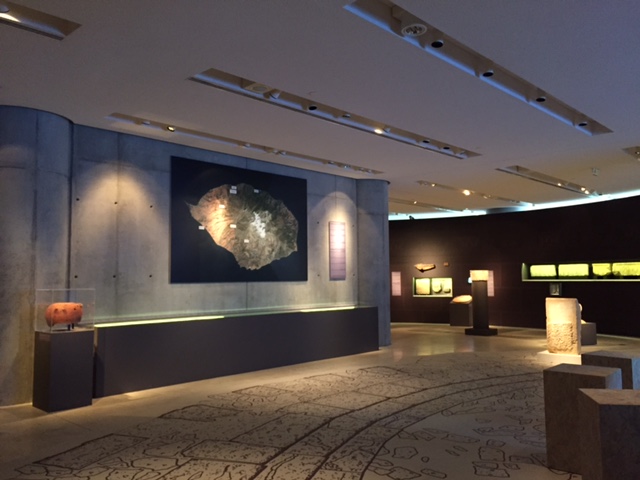
During my short visit  in Athens amidst of the severe crisis of my lovely country with closed banks, people in agony and anxiety on the political and economical situation, it was  indeed a small breath  to visit the Acropolis museum for  the  exhibition ‘Samothrace. The mysteries of the Great Gods , organized in cooperation with the Ephorates of Rodopi and Evros and the expert on Samothracian antiquities, Mr. Dimitrios Matsas.

IMG_5699

IMG_5735

IMG_5736

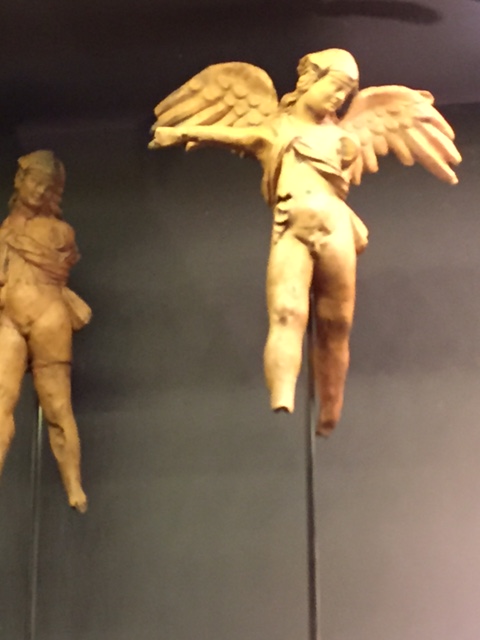
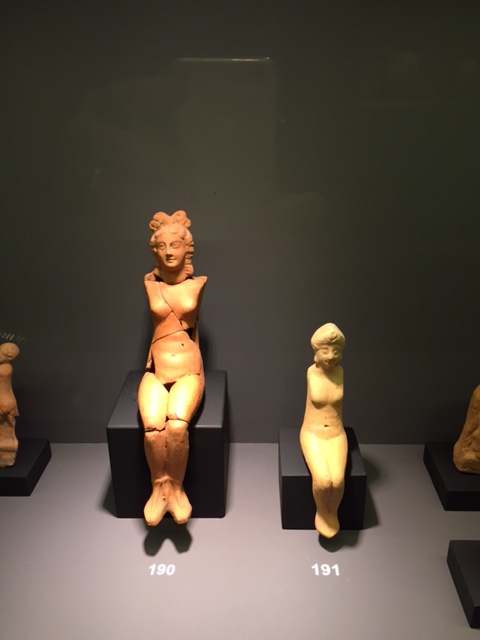
Nude seated woman, late 2nd-early 1st cent BC

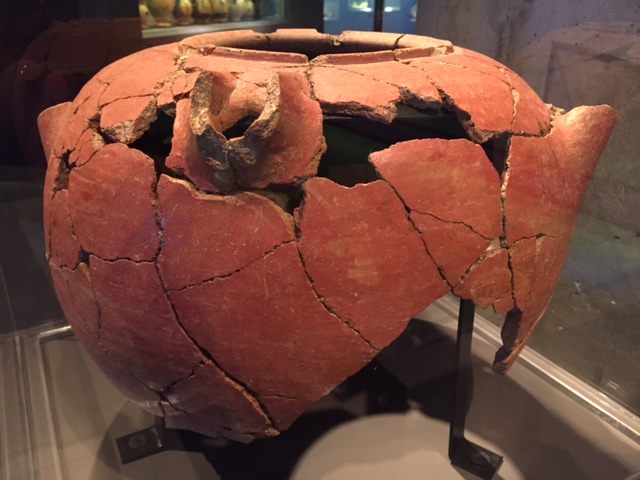
The relationship between the ancient Greeks and their gods was well known and existed publicly in daily life. However, from very early times, mystery cults began to emerge that were accessible only to those who had been accepted into the rites following certain trials. The most famous ‘Mysteries’ in antiquity were those of Eleusis and Samothrace. The strict prohibition against insiders ever divulging the contents of the sacraments has not allowed much information to be gleaned about the ancient mysteries.

IMG_5773                                                                                                        Amphoriskos, around 25 BC

IMG_5749

Archaeological excavations in the Sanctuary at Samothrace, however, have brought to light buildings and paraphernalia belonging to the cult that allow us to form an impression of events. Insiders believed that by invoking the Great Gods they would be saved from any serious dangers at sea and, as members of the Mysteries, they would become more just and pious people.

IMG_5763

IMG_5757

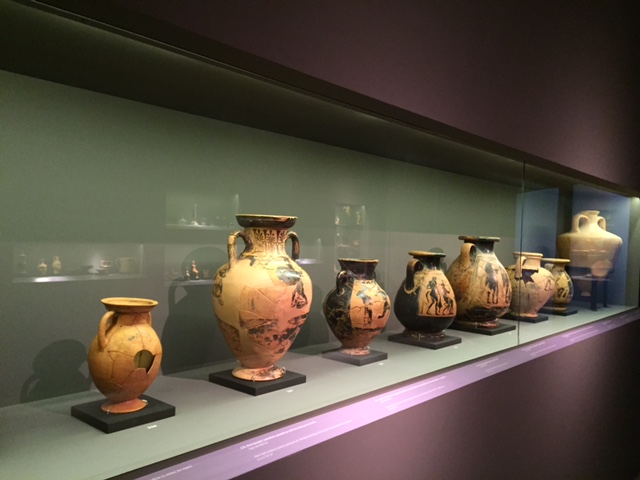
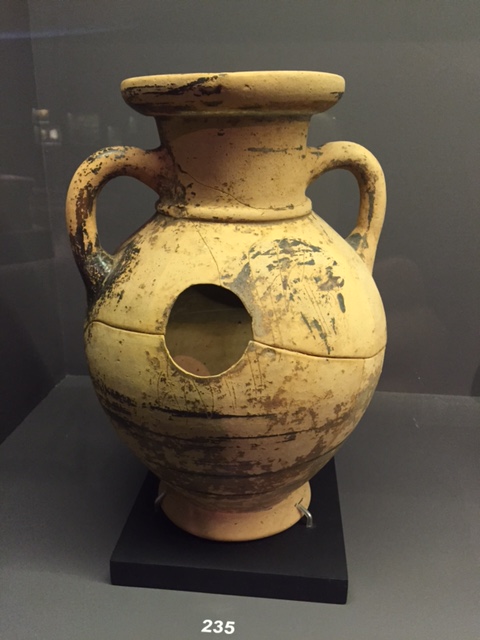
        Black- figure amphora with a horse’s head, used as urn. The hole on the vessel is intentionally made, around 560 BC

IMG_5755

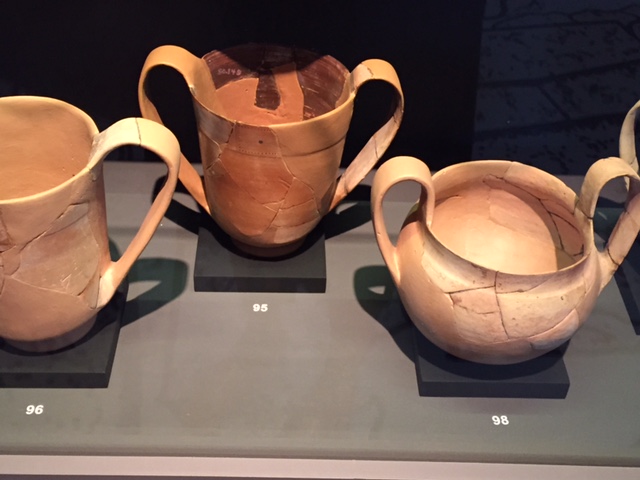
                                                            Karchesion, a type of Kantharos (drinking cup), 550-500 BC

IMG_5753

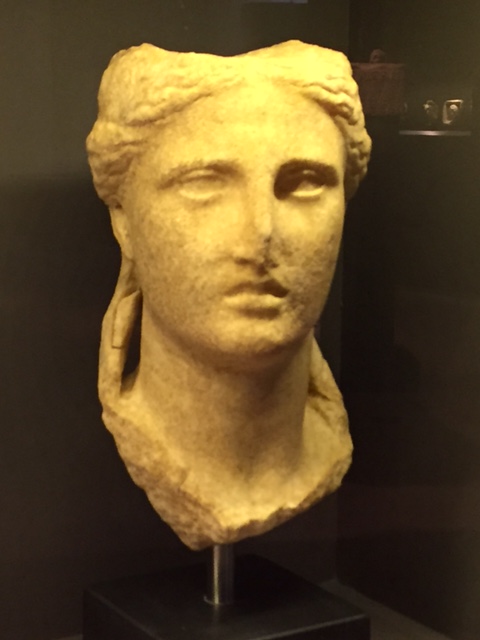
                                                       Female head, which probably depicts  the Great Mother, 3rd-1st cent.BC

The rituals were held at night, the Sanctuary illuminated with torches, during which initiates had to participate in a purification ceremony, to confess their greatest sins, to attend the sacred narrative speech that included mythological stories, to wear the wide, purple sash around their waists and to witness the unveiling of sacred symbols.

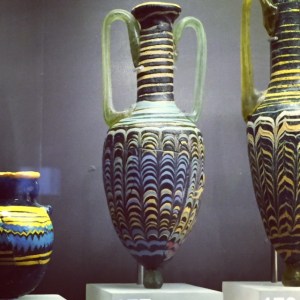
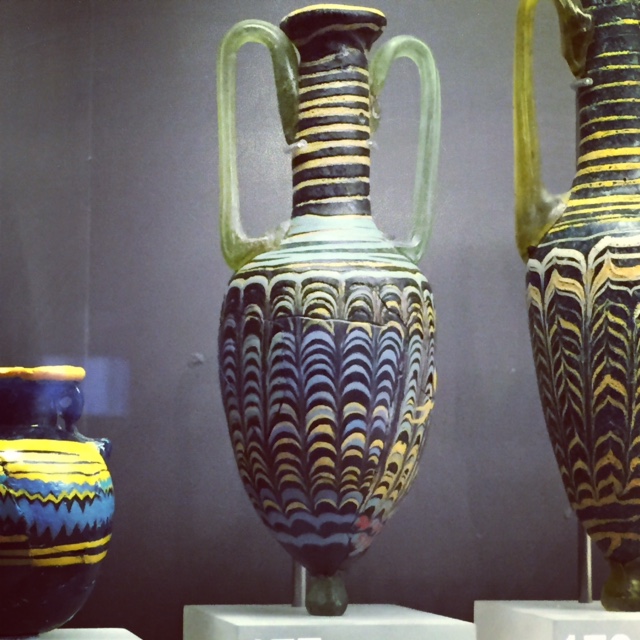
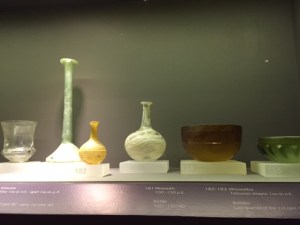
IMG_5742                                                                   Bottles, last quarter of the 1st cent.BC

IMG_5771 copy

…the assortments of finds has been selected from the site of Mikro Vouni, located a few kilometers southwest of the sanctuary, where excavations have revealed a settlement with an organized social structure of the 2nd millennium BC. Of particular importance are the Minoan stamp seals and seal impressions with representations of a double ax and fish, which have counterparts at Knossos. Perhaps the ancient tradition that calls for the Mysteries to have originated in Crete and from there to have spread to other places has some historical basis.  (section from  press release)

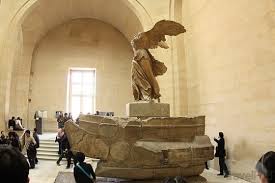
The Nike (Victory) of Samothrace (2nd century BC) is at Louvre, Paris ,(an early classical greek sculpture, an original of Parian marble and about six feet eight inches high, was set up on the prow of a ship carved in an inferior stone and projecting obliquely into an artificial pool among carefully disposed rocks).

images

photos@VK by permission of the acropolis museum
Proudly  here  I share with you amazing photos of the real visit at Samothrace by Maria Alipranti  and Christos Drazos (excellent photographer) at the wonderful Aegean Pan.com
watch a video here (Σαμοθράκη. Τα μυστήρια των Μεγάλων Θεών, Acropolis Museum)

Munich;preview opening at Haus der Kunst “Geniale Dilletanten”, “Random Sampling”, and “The Cold Libido”

Last night the Freunde preview at Haus der Kunst opened the exhibitions “‘Geniale Dilletanten’ [Genial Dilletantes]: Subculture in Germany in the 1980s”, “Random Sampling – Paintings from Sammlung Goetz”, and “The Cold Libido – Sammlung Goetz in Haus der Kunst”.

26.6-11.10.15

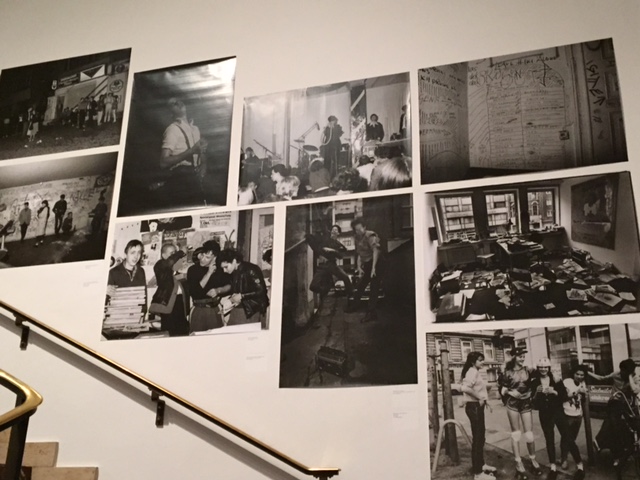
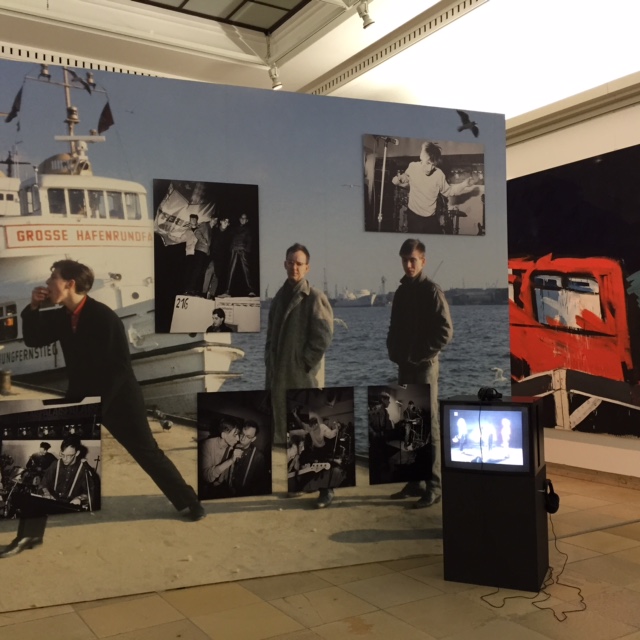
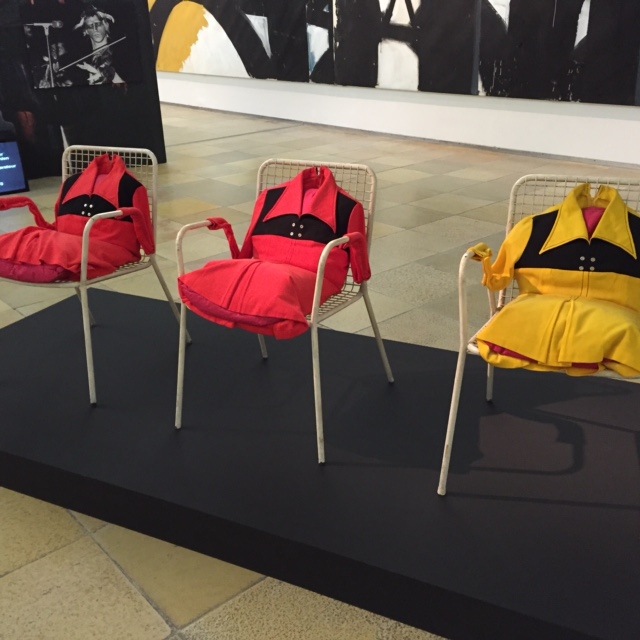
Geniale Dilletanten” is the intentionally misspelled title of a 1981 music festival in Berlin that became synonymous with a brief period of artistic upheaval in Germany. The movement’s protagonists were dedicated to the independent production of records, concerts, and exhibitions and the establishment of magazines, galleries, and clubs; as well as the vociferous protest against the cultural mainstream. The exhibition presents the entire breadth of 80s subculture based on the example of seven bands, as well as works by artists, filmmakers, and designers.

IMG_5390

IMG_5405


Geniale Dilletanten” was the term used to announce a concert held in West Berlin’s Tempodrom in 1981. The deliberately misspelled title later became synonymous with a brief era of artistic upheaval in the 1980s. Strong subculture scenes formed in many German cities opposed the prevailing zeitgeist – with brute noise, provocative Super 8 films, cheap photocopied fanzines, design that challenged “good taste”, and a new, wild language for figurative painting. Emphasis was placed on expression rather than perfection, artistic impact rather than skill.

IMG_5407

IMG_5394

curated by Mathilde Weh and Urlich Wilmes; Idea and concept; Leonard Emmerling and Mathilde Weh.

26.06.15-17.01.16

During the same period, visual artists also experienced a breakthrough to a new figurative expressionism; the so-called “New Wild Ones”, with their quickly executed works, ushered in painting’s successful return, the apex of which was the documenta 7 (1982). Based on works from the past 50 years, the exhibition “Random Sampling – Paintings from Sammlung Goetz” explores the definition of the contemporary, based on a broad understanding of the term painting.

The broad spectrum of painting concepts reflects the collector’s (Ingvild Goetz)  interest in the medium.  The exhibition includes a diverse landscape of contemporary positions. which ranges from Chris Ofili and Mike Kelley to Paulina Olowska.

26.06.15-28.02.16

With “The Cold Libido“, Haus der Kunst continues its cooperation with Sammlung Goetz. The exhibition series was launched in 2011 and is devoted to film and media art.

Its eighth installment here, curated by Cürsoy Dogtas, presents works that delve deep into the affective reservoir of narrative cinema and call upon fundamental issues such as love, longing, loss, fear, violence, and death. There are 12 videos presented here, carefully selected by the curator, thru a number of about 400 from the collection.  Works by Keren Cytter, Jeanne Faust, Annika Larsson, Shahryar Nashat and Aida Ruilova.

IMG_5376

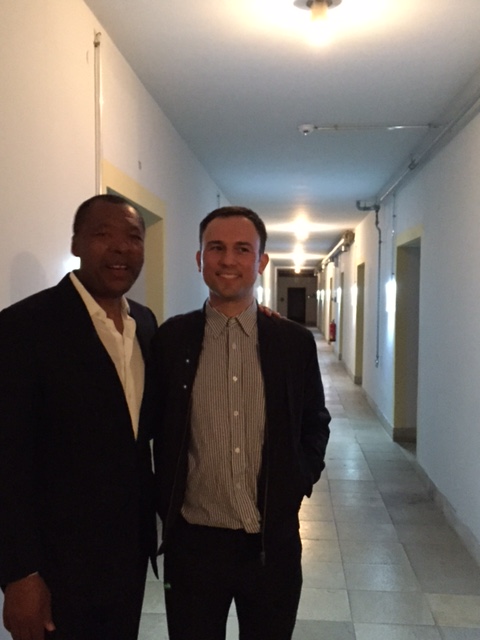
Okwui Enwezor, director of Haus der Kunst and Gürsoy Dogtas, curator of ‘Gold Libido’.

IMG_5408

followed by  a lovely reception at legendary Golden Bar

IMG_5406

IMG_5410 copy

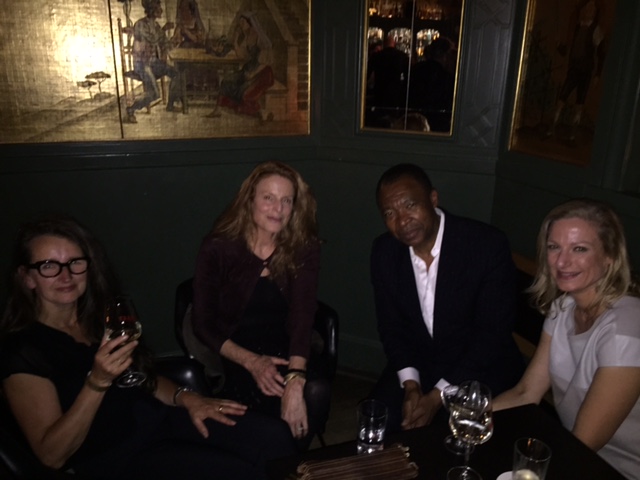
 (left to right)Jitka Hanzlova, Dr Petra Gilroy-Hirtz, Okwui Enwezor,Konstanze Wiedemann IMG_5400

IMG_5412

(left to right) Jitka Hanzlova, Dr Petra Gilroy-Hirtz, Okwui Enwezor,Konstanze Wiedemann, Venetia Kapernekas

IMG_5377 copy

Okwui Enwezor & Venetia Kapernekas
many events, lectures, concerts, et more accompany the exhibitions,  see here for details…
all photos@vk

Basel- at Fondation Beyeler, Marlene Dumas “The Image as Burden”

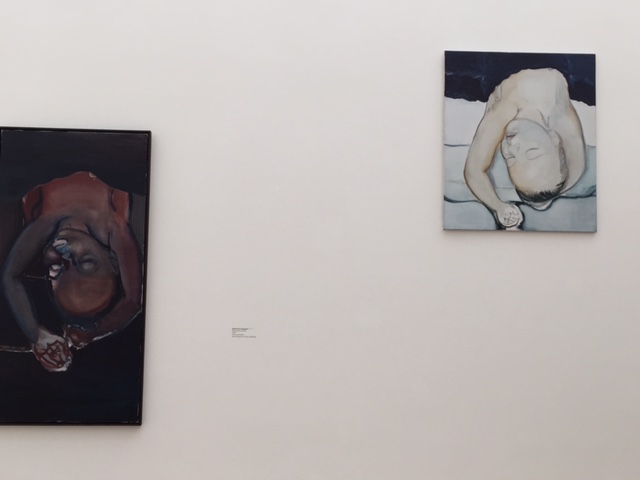
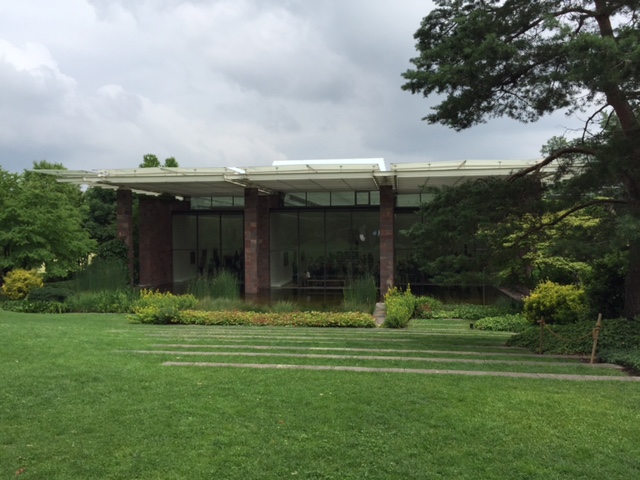
Few days in Basel, my highlight visit; the extraordinary exhibition of Marlene Dumas ‘The Image as Burden’, the artist’s oeuvre from the mid-1970s to the present at Fondation Beyeler.

exhibition: May 31-September 6, 2015

‘The exhibition «The Image as Burden» at Fondation Beyeler was planned and designed in close collaboration with Marlene Dumas and realized together with the Stedelijk Museum Amsterdam and the Tate Modern London. Sticking to a basic chronological order, the show traces her development as an artist. On display is a selection of over a hundred paintings and drawings, including several rarely shown collages from her early work and a few very recent paintings. Thus the show provides a comprehensive overview of the artist’s oeuvre from the mid-1970s to the present.’ (museum release)

IMG_4950


IMG_5289


IMG_4915

IMG_4911

IMG_4929

IMG_4900

IMG_4958

IMG_4908

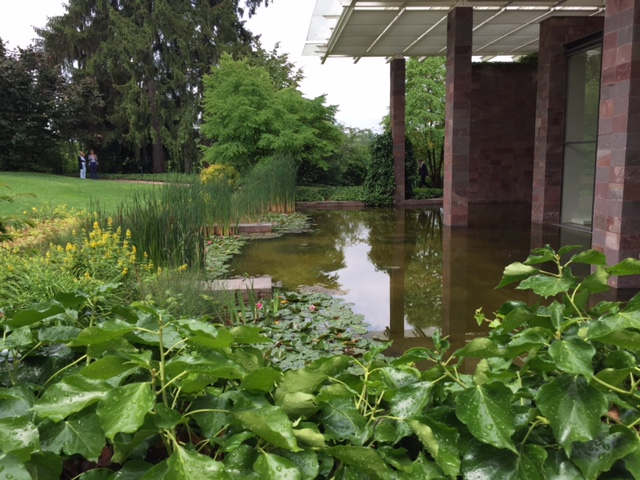
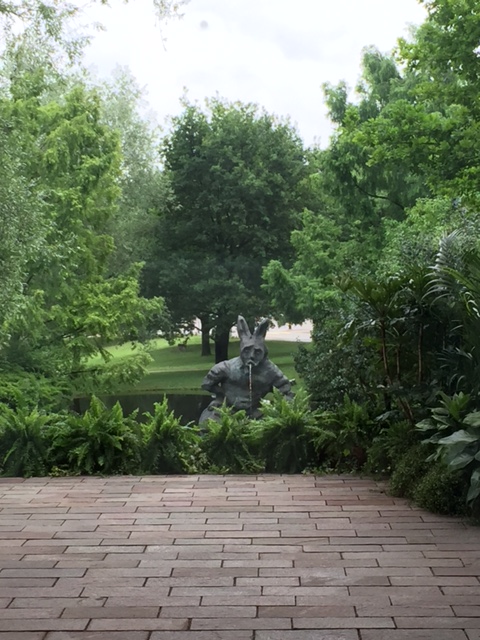
                                                 Thomas Schütte, “Hase” (Hare), 2013 in the garden

photos@VK

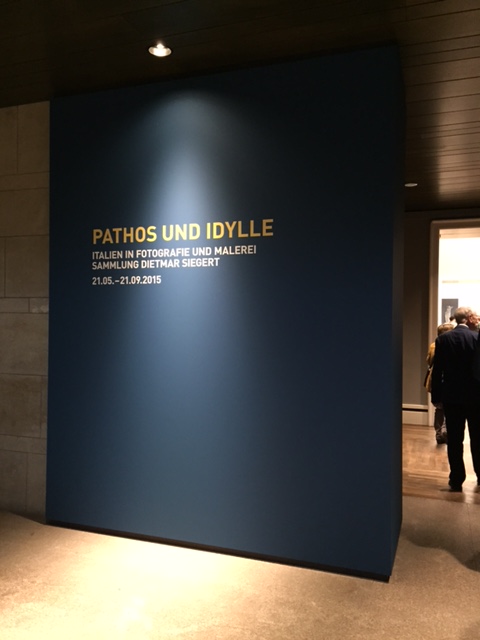
Munich; Neue Pinakothek “Pathos und Idylle” Italy in Photography and painting; The Dietmar Siegert Collection

Exhibition duration: 21.05– 21.09.2015

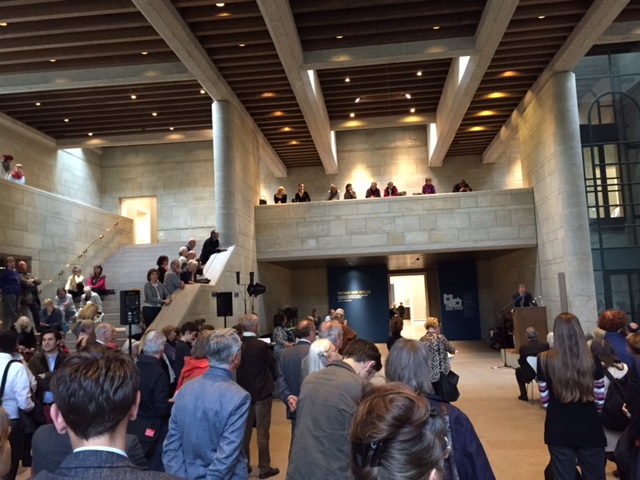
A constant rain all day in Munich yesterday, was a beautiful delight to enter Neue Pinakothek for the “Heroic and Idyllic”. This exhibition offers an insight into the wealth of a  newly acquired collection, with a display of around 100 selected images by the most famous photographers.        With a presentation by Dr Bernhard Maaz (general Director of Bavarian Museums) and Dr Herbert W.Rotto (curator of Neue Pinakotek).

IMG_4187

IMG_4186

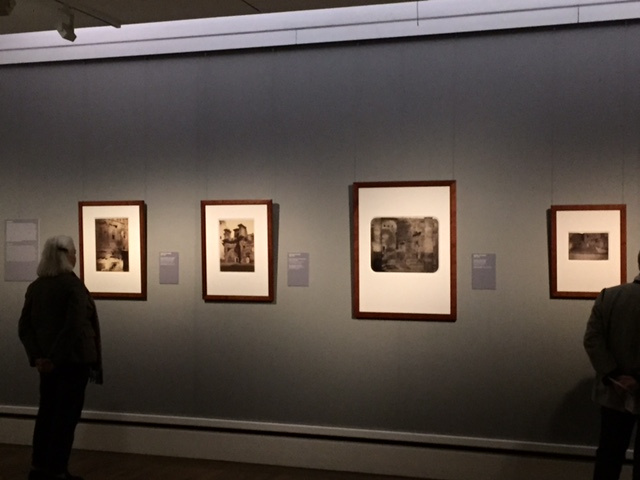
The Neue Pinakothek has an outstanding collection of paintings evoking Italy’s legendary status as a focus of romantic yearning. Many of the paintings were acquired for the collection by its founder, King Ludwig I.  Last year, the Neue Pinakothek has also held an important collection of early photographs of Italian scenes;  some 9700 images in all, dating from the period between 1846 and 1900, which were purchased from Dietmar Siegert by the Pinakotheks-Verein, with the support from the Ernst von Siemens Kunststiftung and the Sparkassen-Finanzgruppe, and presented to the museum on permanent loan.(Neue Pinakothek press release)

IMG_4189

The exhibition gives visitors an idea of the richness of this collection and offers them an opportunity to compare images of Italy in painting and photography. The presentation of the photographs continues in the galleries of the Neue Pinakothek.

FullSizeRender copy

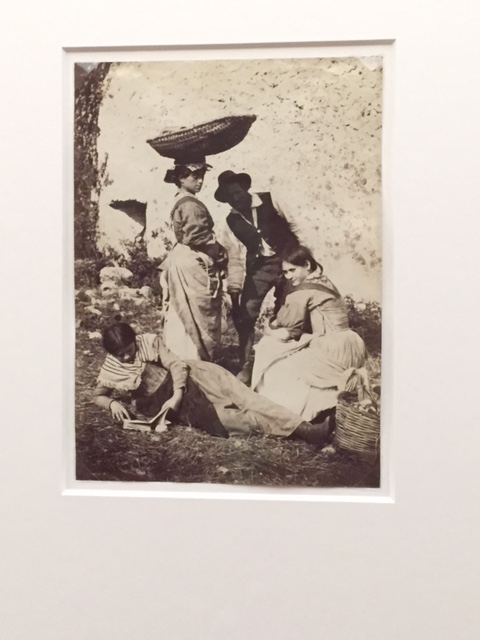
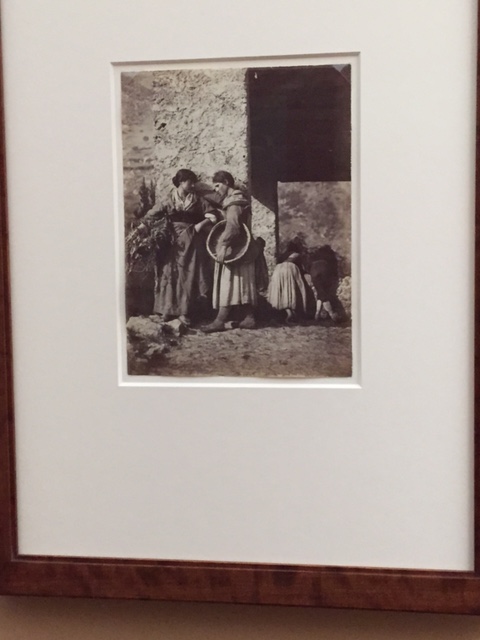
In five of main galleries, the photographs are displayed in close proximity to paintings by the Nazarenes and other german artists in Rome and Italy. i.e.  Robert McPherson with Ludwig Richter, Fillippo Belli and Giuseppe Bruno with Theodor Leopold Weller.

IMG_4206

Giuseppe Bruno “Moorish fountain near Taormina’, c.1880, albumen print

IMG_4204

Filippo Belli (1836-1927), ‘Girl with Baskets’, c.1875, albumen print

IMG_4202

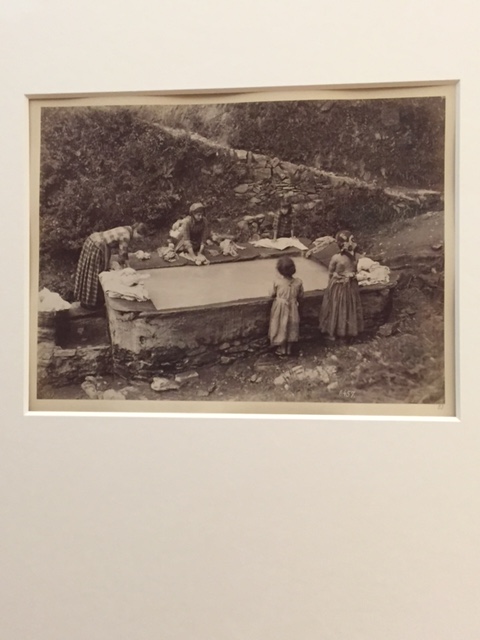
Filippo Belli, (1836-1927),’Women drying beans’, c.1875, albumen print

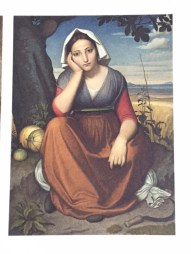
In the area of genre scenes, the paintings of Friedrich Overbeck and Wilhelm von Schadow are paired up with early photographs by Giacomo Caneva and Enrico Béguin, whose female models exude the same aura of innocence and naturalness as the female figures of the Nazarenes.

IMG_4212 copy

IMG_4211 copy

Friedrich Overbeck (1789-1869), Vittoria Caldoni, 1821, oil on canvas

IMG_4209


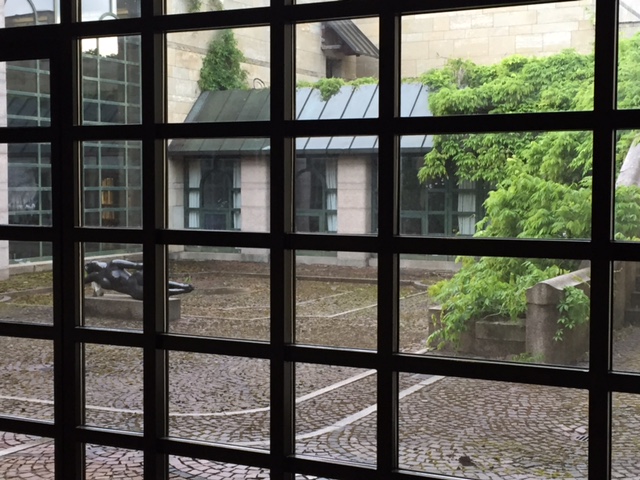
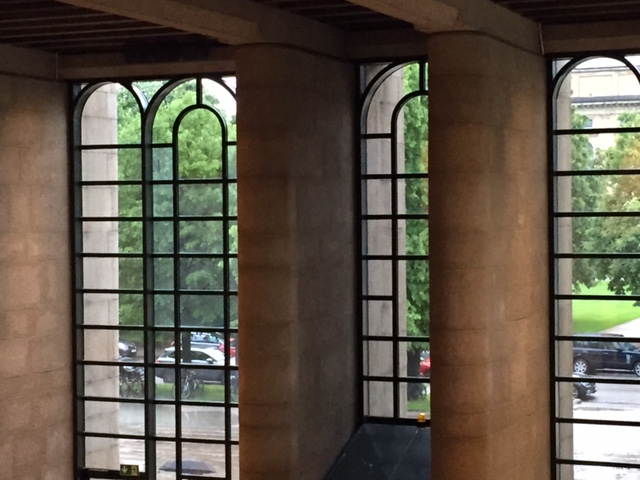
IMG_4208 copy 2The Neue Pinakothek is one of my favorite museums in Munich and on rainy days I love to  have a glass of wine and have those beautiful views to the outside as well. The Neue soon  will close for renovation.

more on the exhibition here “Heroic and Idyllic” 

Venice Biennale: Glass Tea House ‘Mondrian’ by Hiroshi Sugimoto at Fondazione Giorgio Cini and Bischofberger Collection “Glass from Finland” at Le Stanze del Vetro at island of San Giorgio Maggiore

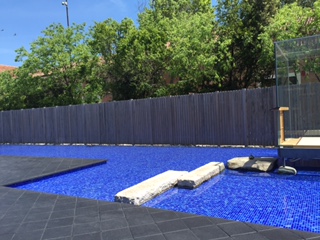
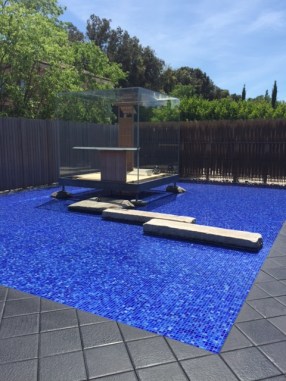
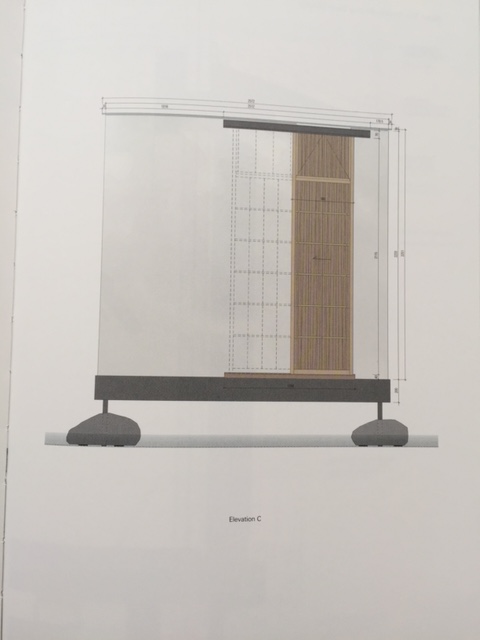
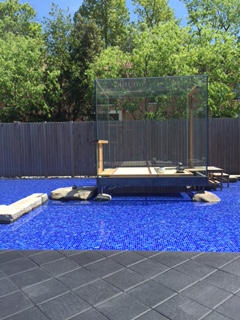
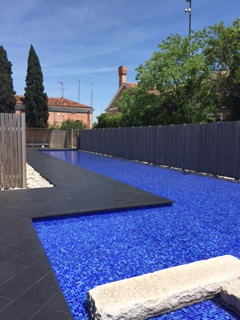
My last day in Venezia Biennale, May 10th,(2015) was a beautiful Sunday morning visiting the island of San Giorgio Maggiore.   Hiroshi Sugimoto’ exquisite glass tea house ‘Mondrian’ was a pure delight.  The project seems complex but the purity and simplicity of the form kept me silent and was enjoying the serenity of the space during that very warm morning.

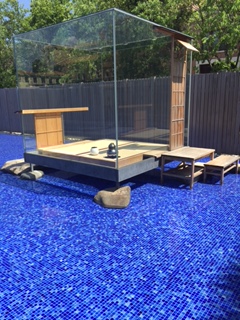
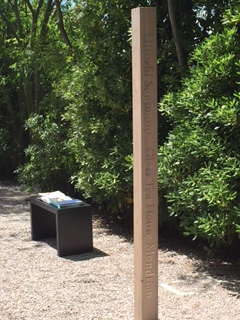
Glass Tea House Mondrian is Sugimoto’s first architectural work in Europe. He has built a pavilion of extraordinary beauty in a formerly unused space on San Giorgio, located between Andrea Palladio’s famous 16th-century church and monastery and Le Stanze del Vetro museum, and adjacent to the Borges Labyrinth, which architect Randoll Coate designed as a tribute to the Argentine writer.
IMG_3989

photos©Venetia Kapernekas, 2015

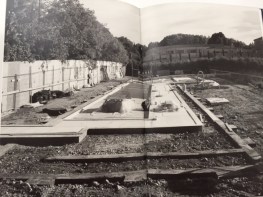
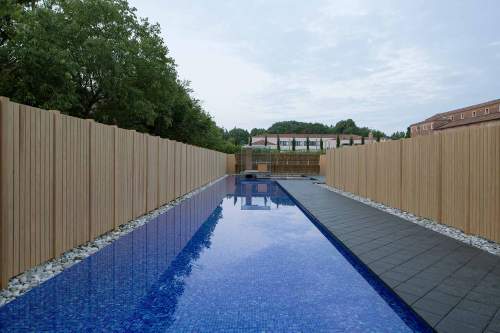
Visitors approach the pavilion by a way of a small Japanese garden leading to a bamboo gate that sets the atmosphere for the main pavilion. The pavilion itself consists of two main elements: an open-air landscaped courtyard with a reflecting water pool and a glass structure. The courtyard is surrounded by an exterior fence made entirely of Japanese cedar and inspired by the Ise Grand Shrine in Ise, Japan.  Along one side of the reflecting pool of deep blue glass mosaic, a black tiled path guides visitors to concrete benches from which the tea ceremony can be observed.

Like Sugimoto’s photographs, this work conveys a meditative, almost religious atmosphere: it is an oasis of calmness that invokes time, memory, and a heightened sense of self-awareness.
IMG_3997

photo@Venetia Kapernekas, 2015

‘In the sixteenth century, it became the custom for cultivated Japanese people of a certain social status to enjoy the rituals of the tea ceremony. The quotidian act of preparing a cup of tea for a visitor was raised to the level of art, with meticulous care of lavished upon the unique goal of entertaining one’s guests. ‘ ……

‘Traditionally, the name of a tea house has to be a poetic evocation of space. I was startled to discover something redolent of Mondrian in the Glass Tea House when it was completed. The quest for abstraction, I realized, had been underway in the context of the tea ceremony for three hundred years before Mondrian was born. Sen no Rikyu, the man credited with perfecting the tea ceremony esthetic, essayed Mondrianesque abstraction in the way he placed stones in the garden or composed flat wall surface at Taian, a sixteenth-century tea room which still stands near Kyoto. Inevitably, Sen no Rikyu had a powerful influence on my design for the Glass Tea House.’  (Sugimoto, on the preface of his book Glass Tea House Mondrian, Le Stanze del Vetro)
IMG_3986

IMG_3999

photos©Venetia Kapernekas

‘An intrinsic property of glass is its transparency. I owe my career as an artist to transparent glass lenses. Making a space from the glass was more about indicating a space than actually creating one. Glass Tea House Mondrian measures just 2.5 x 2.5 meters. As a living space, it is only about as big as a jail cell. However, because of its transparency, this cell-like space enjoys an infinite connection to the world outside. ‘ ( “Glass Tea Bowls by Hiroshi Sugimoto)

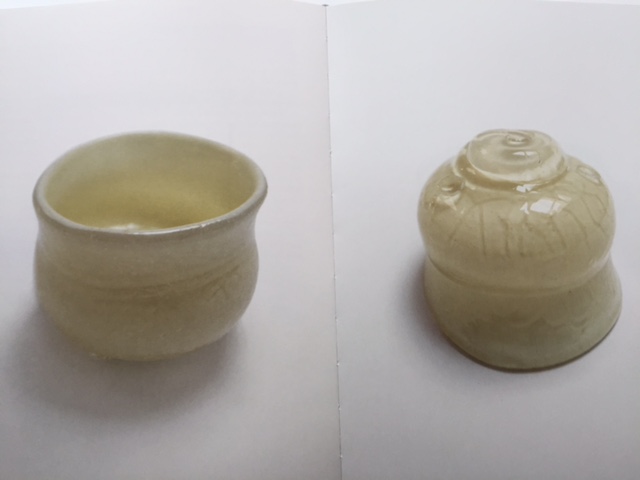
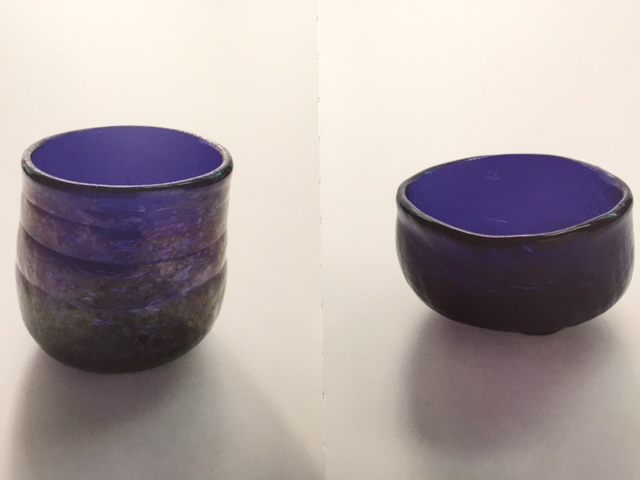
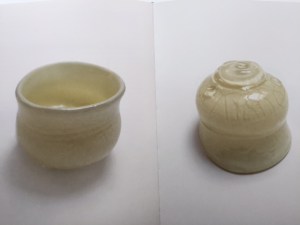
Hiroshi Sugimoto’s Glass Tea Bowls
FullSizeRender copy 3

FullSizeRender copy 4

photos©Venetia Kapernekas

“While the tea house was being built, I visited the site every afternoon, but in the mornings I went to a glass factory in Murano, where a master glassblower made the tea bowls after my own designs.  Rather like Le Corbusier, who painted pictures in the morning and designed buildings in the afternoon, I was a glassmaker in the morning, a site foreman in the afternoon, and a roaming photographer capturing the deserted streets of Venice in the evening.” (Sugimoto, Glass Tea Bowls)

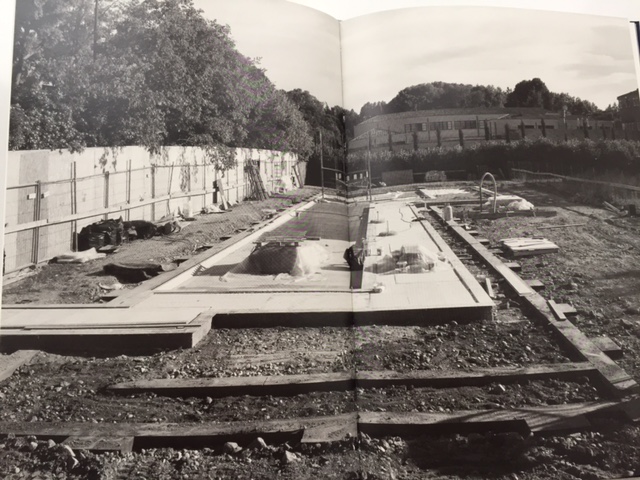
a beautiful blue linen book accompanies the Tea House Mondrian with detailed photos of the construction site and architectural drawings.
FullSizeRender

IMG_4177

“Sugimoto’s pavilion is effectively a space for performance. He has provided delineated space for the audience to observe the theater with the tea house situated in a pool within a larger landscape…….. No single element can be altered without irrevocably damaging the whole. The linear and focused arrival sequence prepares the visitor for the perspective views, as one contemplates the contemporary glass tiles and old, authentic stepping-stones. It is carefully wrought balance of new and old materials and forms, a dance where each element corresponds to a specific movement in the sequence.” (Annabelle Selldorf, architect, Glass Tea House Mondrian)
photo©Le Stanze del Vetro

more here on the exhibition (Le Stanze del Vetro)

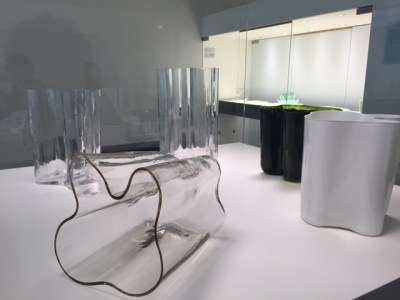
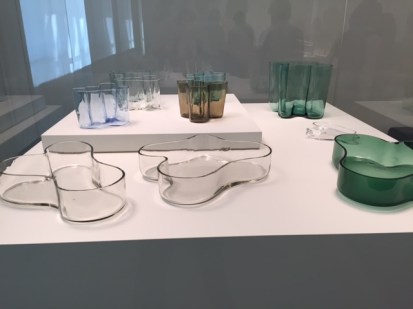
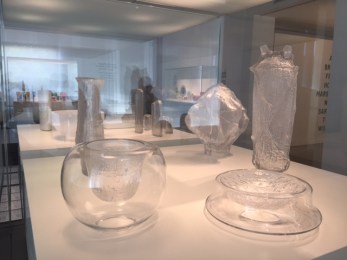
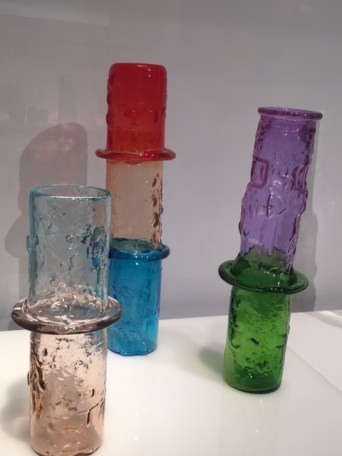
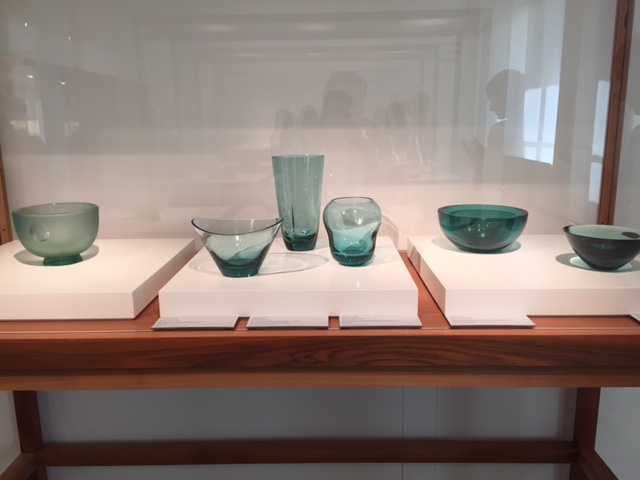
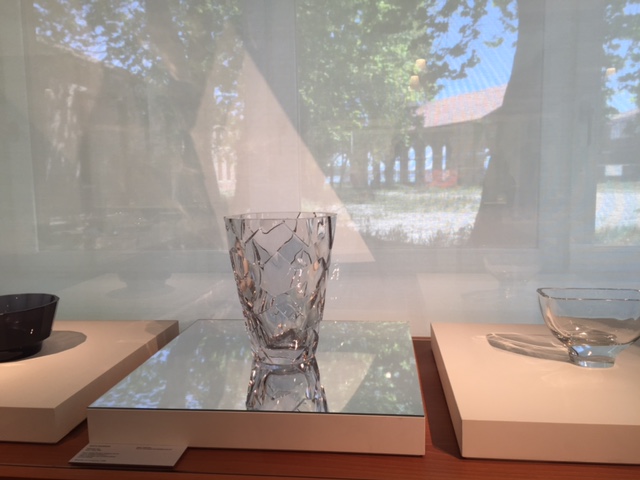
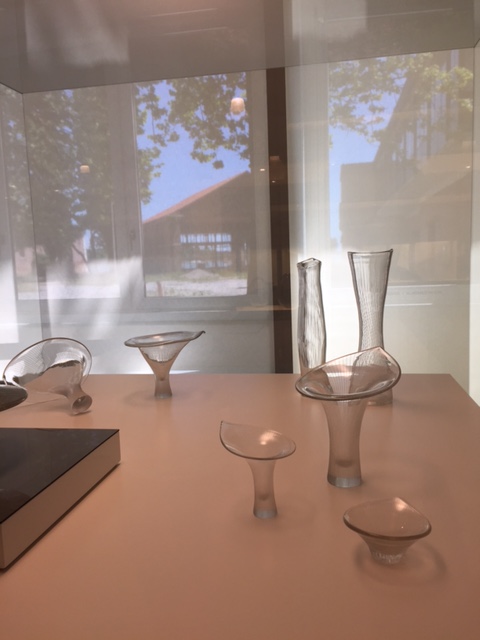
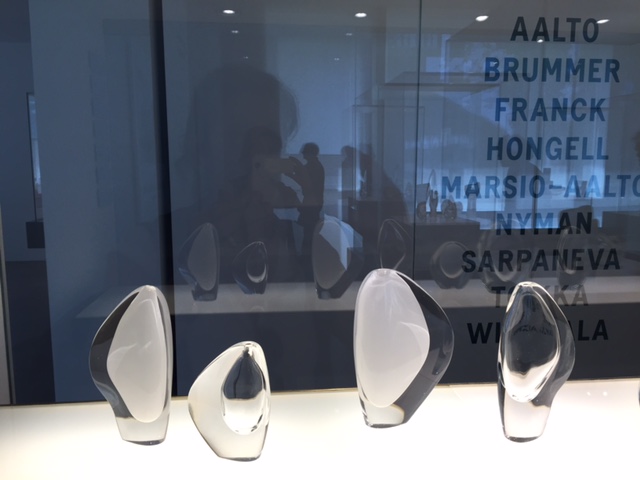
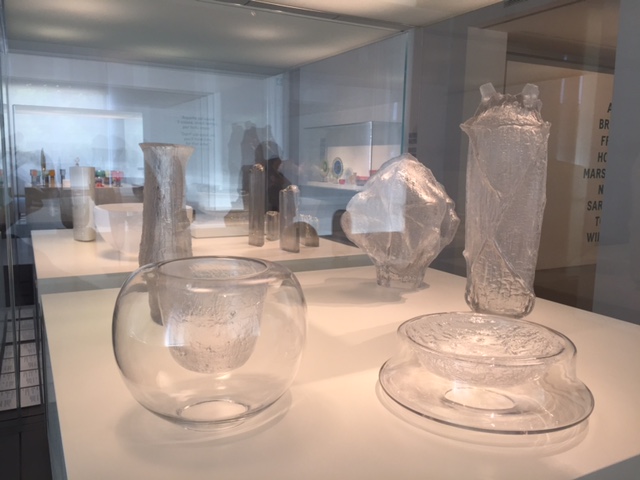
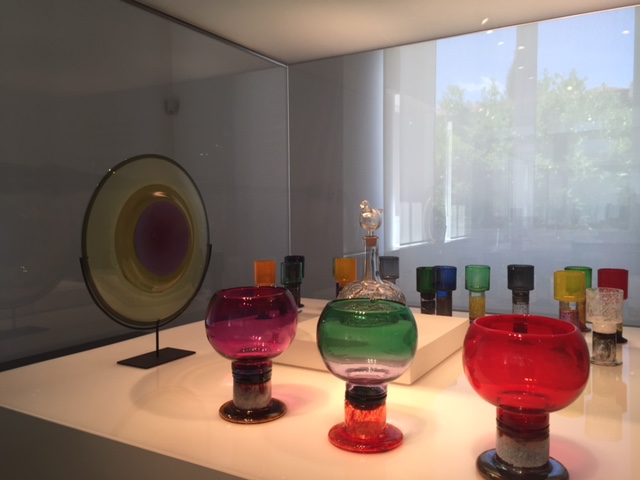
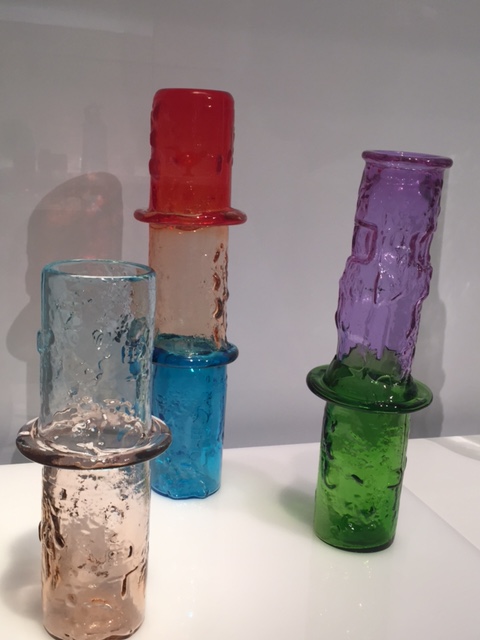
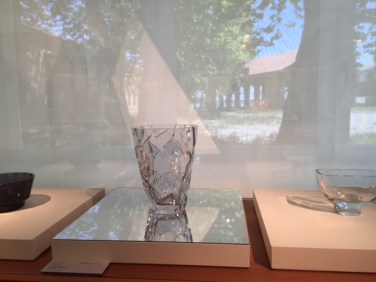
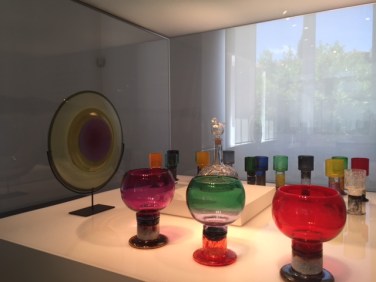
Also at Le Stanze del Vetro, there is an amazing exhibition “Glass from Finland”. Over 300 works from the Bischofberger Collection celebrate the beauty of art glass in an exhibition featuring masterpieces by the most important Finnish designers of the 20th century.

The exhibition “Glass from Finland in the Bischofberger Collection”, curated by Kaisa Koivisto, curator at The Finnish Glass Museum, Riihimäki, and Pekka Korvenmaa, a professor at Aalto University School of Arts, Design and Architecture (Finland)

IMG_3887

IMG_3892

photos@Venetia Kapernekas, 2015

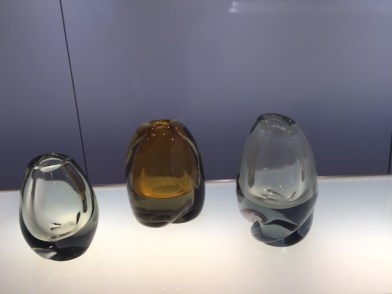
In the early Twenties, Finland used design as its manifesto, in an attempt to establish its autonomy and its cultural sovereignty. Some of the country’s greatest designers began to use glass to create works of art that blended tradition and experimentation.
IMG_3901

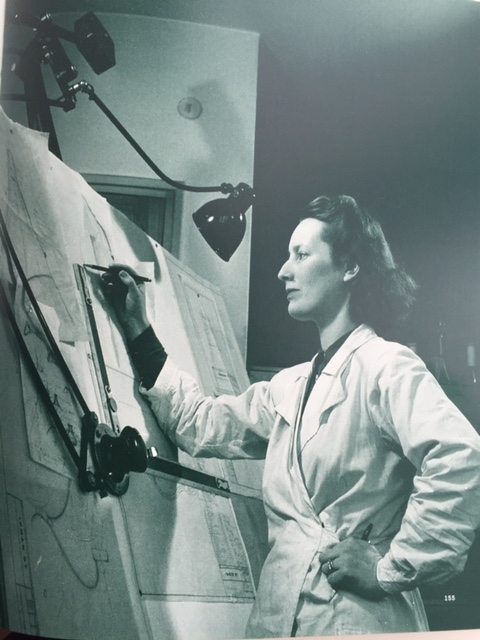
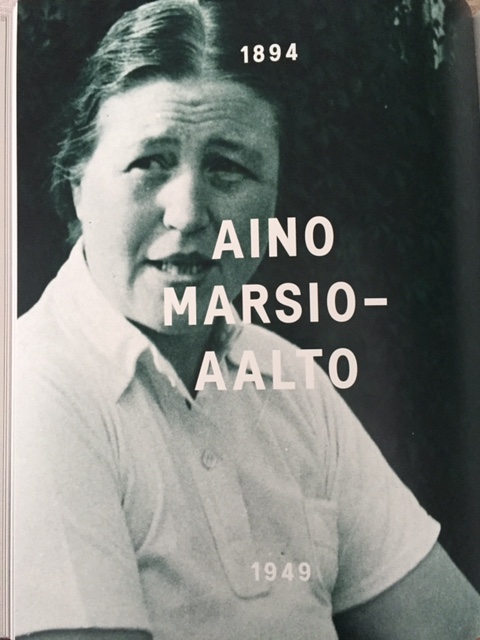
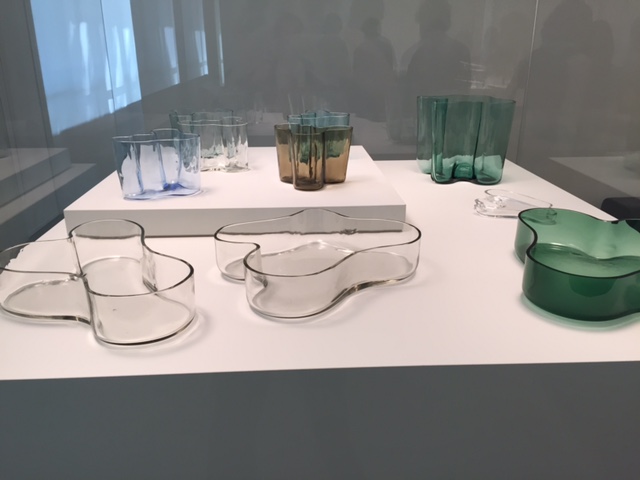
After 1932 Finnish glass became known worldwide and served to reveal the skills and creative talent of those who would soon be regarded as the visionary geniuses of Scandinavian design – i.e. Arttu Brummer, Gunnel Nyman, Göran Hongell and  Alvar Aalto. Numerous women have been active as artists and designers throughout the history of glass design in Finland. The collection covers the oeuvre of Gunnel Nyman and Aino Marsio Aalto.
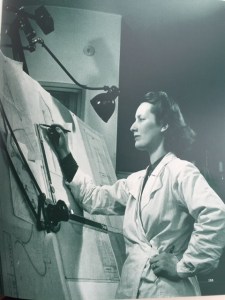
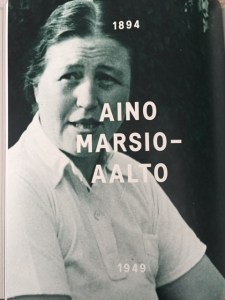
FullSizeRender copy 6

FullSizeRender copy 7

IMG_3915


IMG_3916

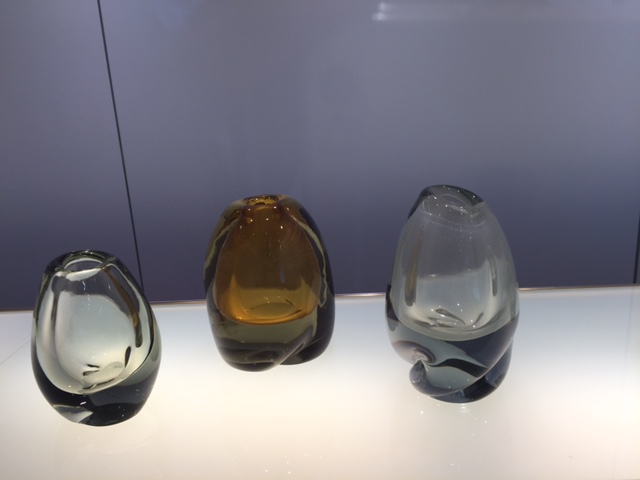
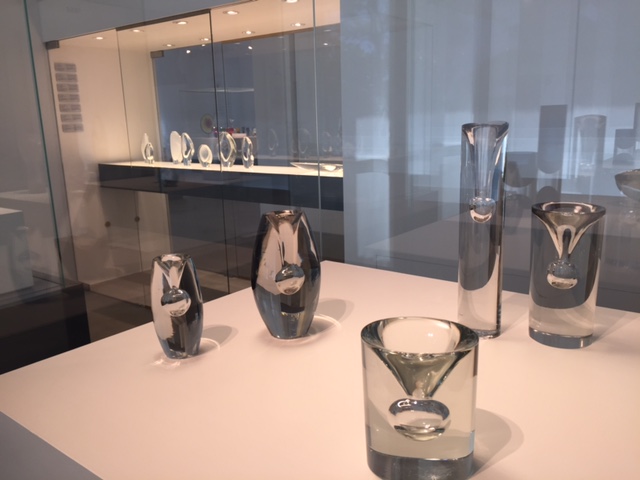
In the early Fifties, through the new spirit of optimism and the international influence, designers and artists built up the foundations of what will become known as “the golden age” of Finnish glass.
In order to meet the functional and psychological demands of its users, designers started producing objects and works of art that were both aesthetically sophisticated and mainly referred to nature by the free use of organic shapes and curves.
Along with internationally acclaimed designers such as Alvar Aalto, other artists became the new stars of Scandinavian design, such as Kaj Franck, Timo Sarpaneva, and Tapio Wirkkala, who is considered to be the symbol of the international success of post-war Finnish design.
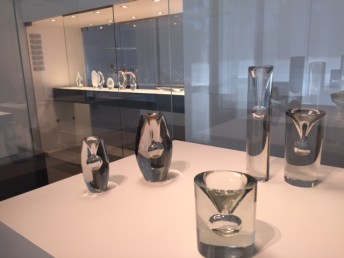
IMG_3936


IMG_3929


IMG_3938


IMG_3951


During the Sixties and Seventies, color and energy became the main focus of Finnish design; the glassworks became colorful and were given elaborate shapes. Oiva Toikka designed glass birds, which became Iittala’s iconic brand. Through his irreverent approach to the glass medium and tradition, Toikka represents the connection between “the golden era” of the fabulous Fifties and a more contemporary design.
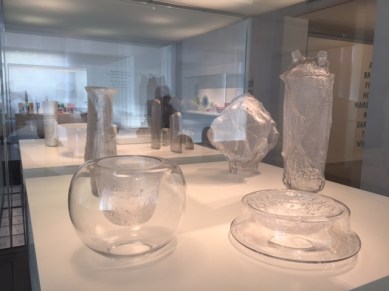
IMG_3951

IMG_3956

IMG_3967

photos@Venetia Kaperekas, 2015  by permission “Le Stanze del Vetro”

here you may read more on the exhibition Fondazione Cini-Le Stanze del Vetro


Venice: Venice Biennale; Cy Twombly at Ca’Pesaro (Galleria Internazionale d’Arte Moderna)

Upon arrival  in Venice on May 5th, a magical evening;to attend the exhibition Cy Twombly “Paradise” at “Ca’ Pesaro”; invited by elegant   Nicola del Roschio and Gagosian

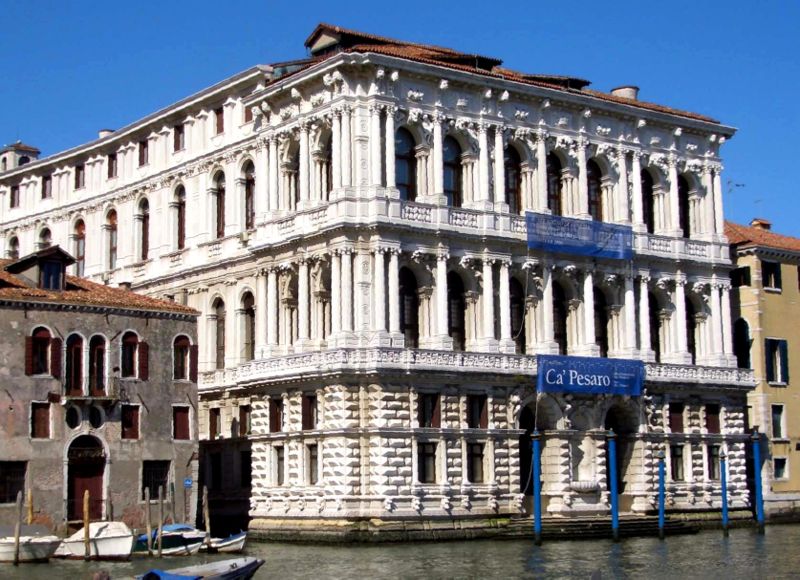
Ca’ Pesaro (Galleria Internazionale d’Art Moderna) is a Baroque marble palace facing the Grand Canal, originally designed by Baldassarre Longhena in mid-17th century, the construction was completed by Gian Antonio Gaspari in 1710.

Ca'_Pesaro

IMG_3287

IMG_3292

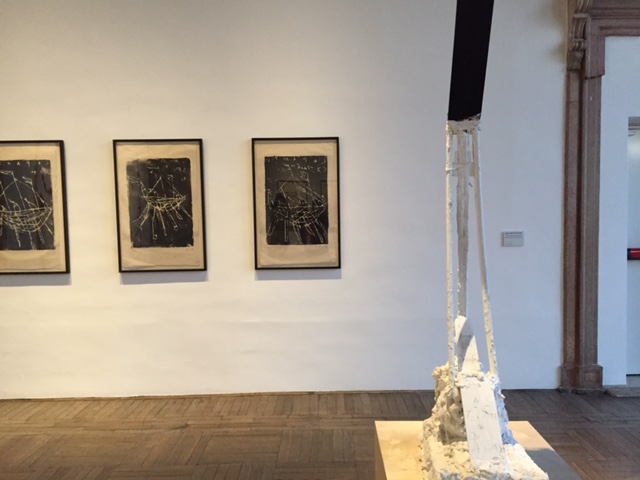
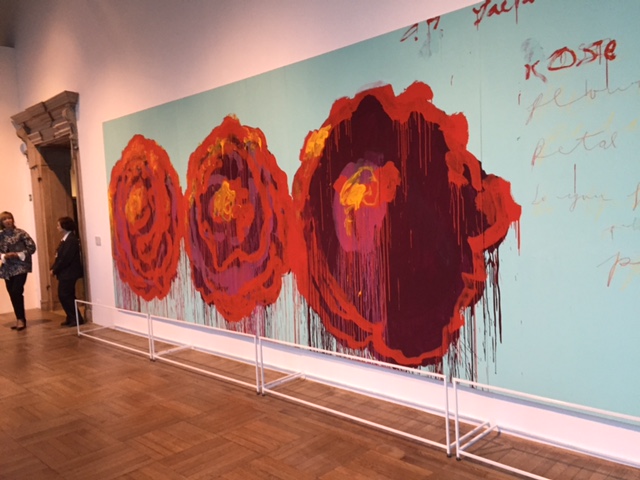
In the exhibition, the early wall painting on wood dated 1951 leads, via an itinerary full of visions and references, to a selection of Twombly’s last works, produced 2011, when the artist was at the physical limit of his old age: eight paintings of gestural baroque circles in yellow, red and orange on a bright green background (half margarita, half key lime); eccentric circular strokes – among the key motifs of the artist – narrow in some places and broader, freer in others, to generate “a sensation of radiant energy and controlled frenzy”. (Galleria’s press) 

IMG_3289

IMG_3285

IMG_3281

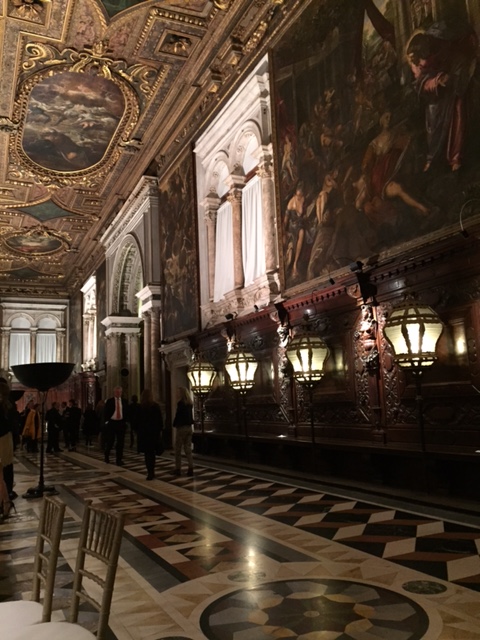
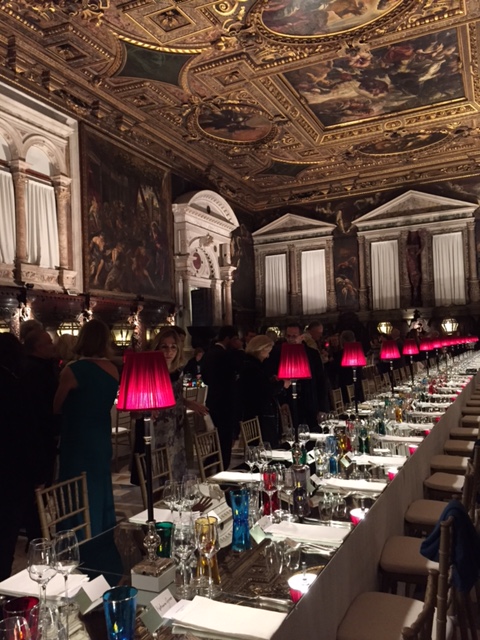
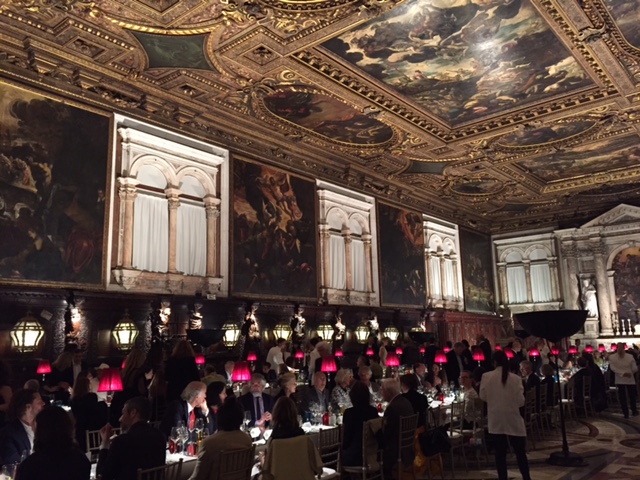
fabulous reception and dinner given by Gagosian, followed at Scuola Grande di San Rocco.

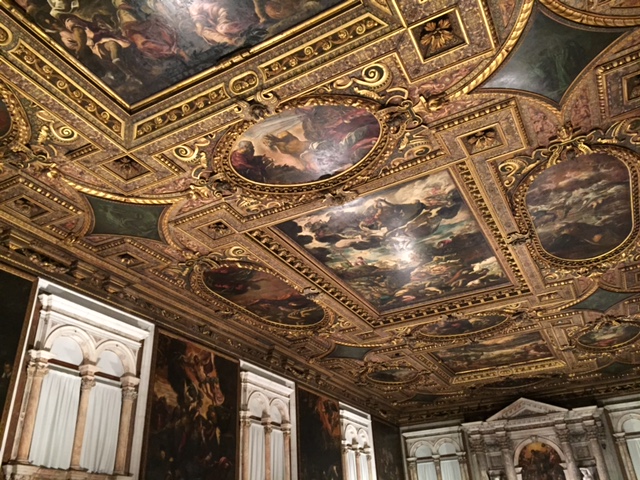
The Scuola di San Rocco, protector against plague, which had struck Venice in that century) was established in 1478 by a group of wealthy Venetian citizens, next to the church of San Rocco, from which it takes its name.

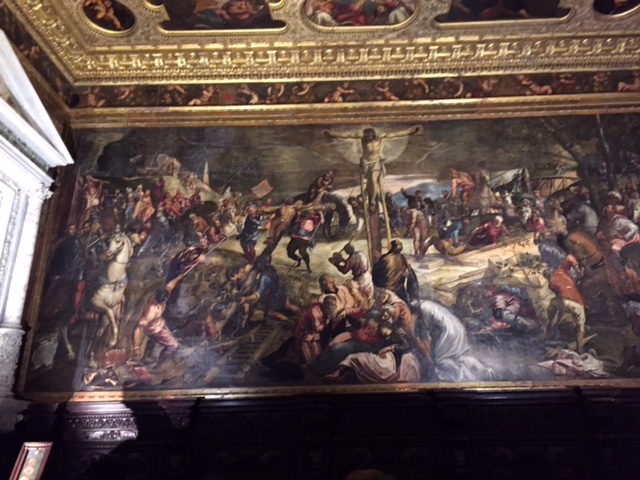
In 1564 the painter Tintoretto was commissioned to provide paintings for the Scuola, and his most renowned works are to be found in the Sala dell’Albergo and the Sala Superiore. All the works in the building are by him, or his assistants, including his son Domenico: they were executed between 1564 and 1587

IMG_3340

IMG_3313

IMG_3323


IMG_3321

IMG_3326


IMG_3319


IMG_3322

photos@VK

The pictorial decorations of the rooms took Tintoretto until 1588 and constitutes one of the most fascinating pictorial undertakings ever known: from 1564 to 1567 the 27 canvases on the ceiling and walls of the Hall of the Hostel, where members of the Banca and Zonta who governed the brotherhood used to meet; from 1576 to 1581 the 25 canvases on the ceiling and walls of the Upper Hall; from 1582 to 1587 the eight large canvases in the Ground Floor Hall.

images

take a virtual tour here: galleries at Scuola di San Rocco 

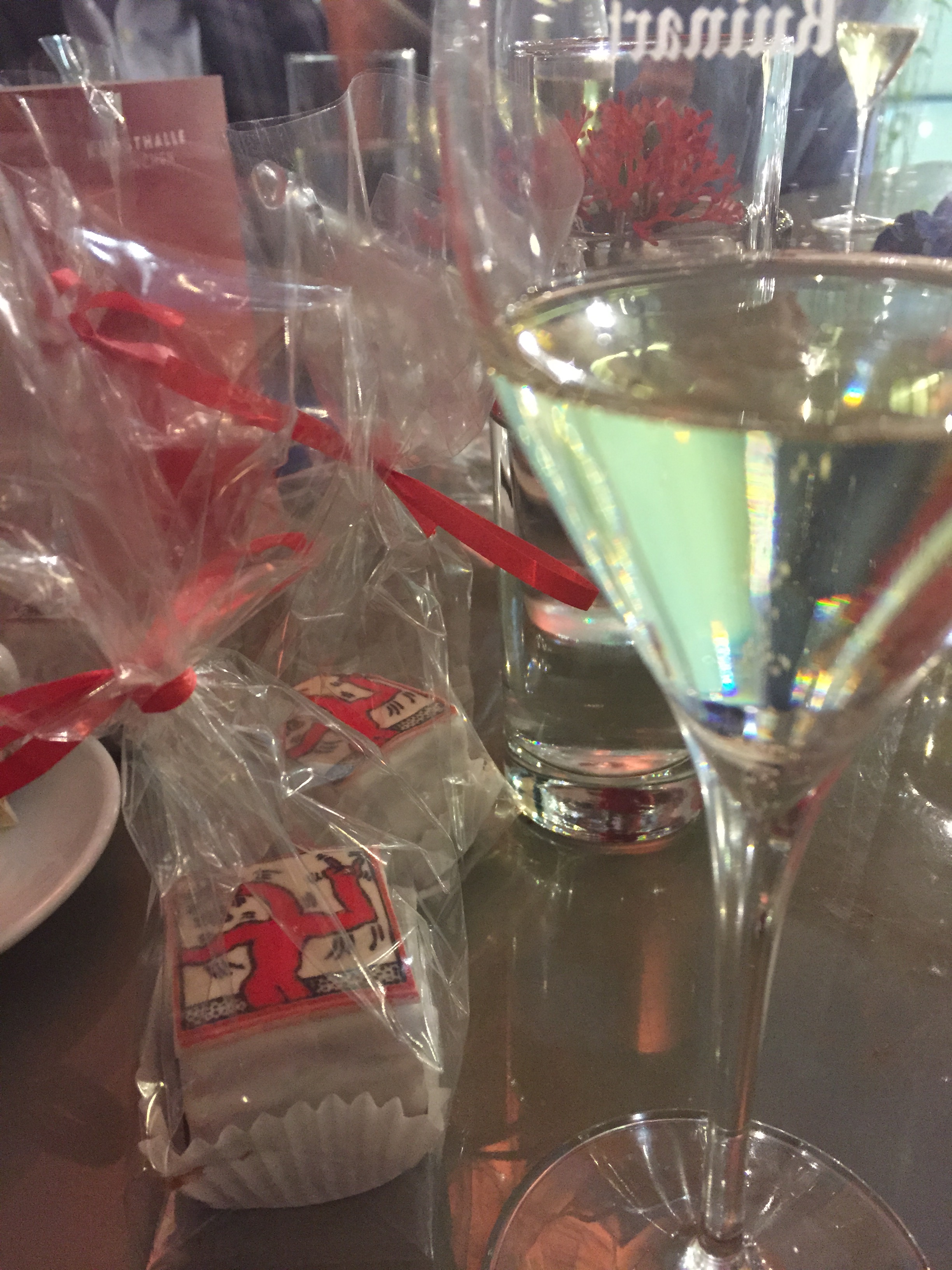
Munich; KEITH HARING “The political line” at KUNSTHALLE MUNCHEN

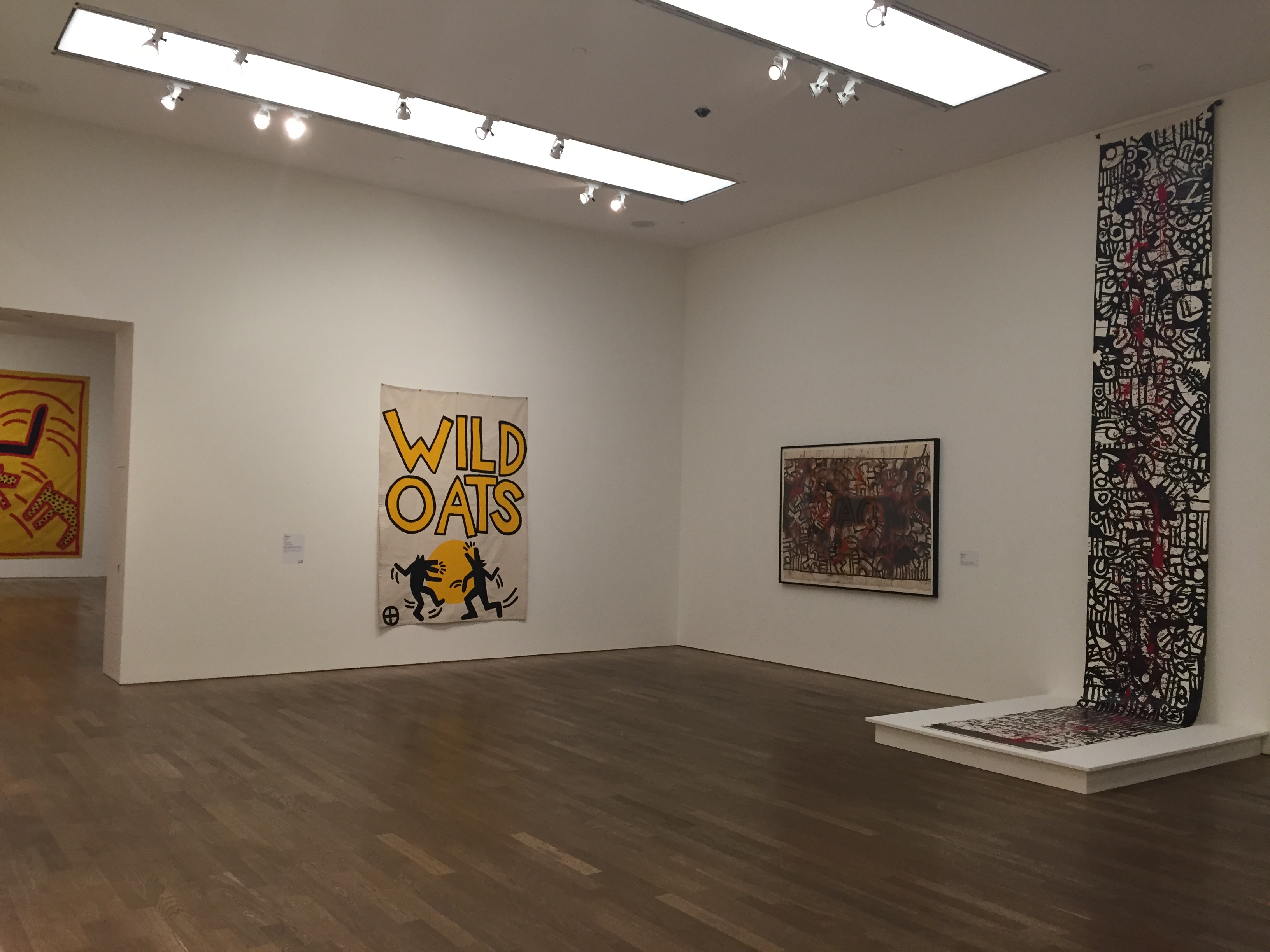
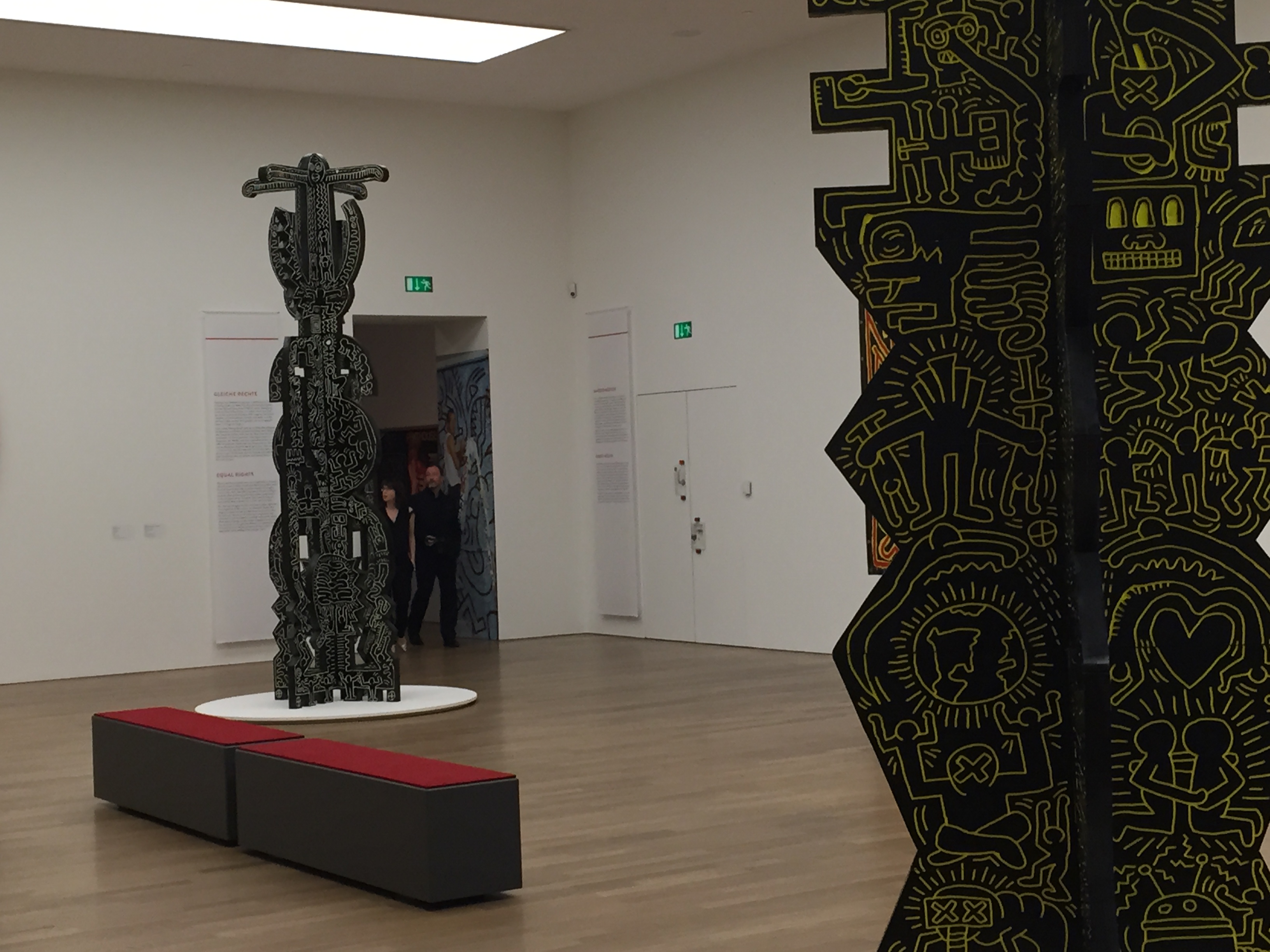
It was a wonderful to attend the preview of an amazing exhibition  at Kunsthalle of Munich  “Keith Haring _the political line”

IMG_3131

HARING THE ARTIST AND ACTIVIST

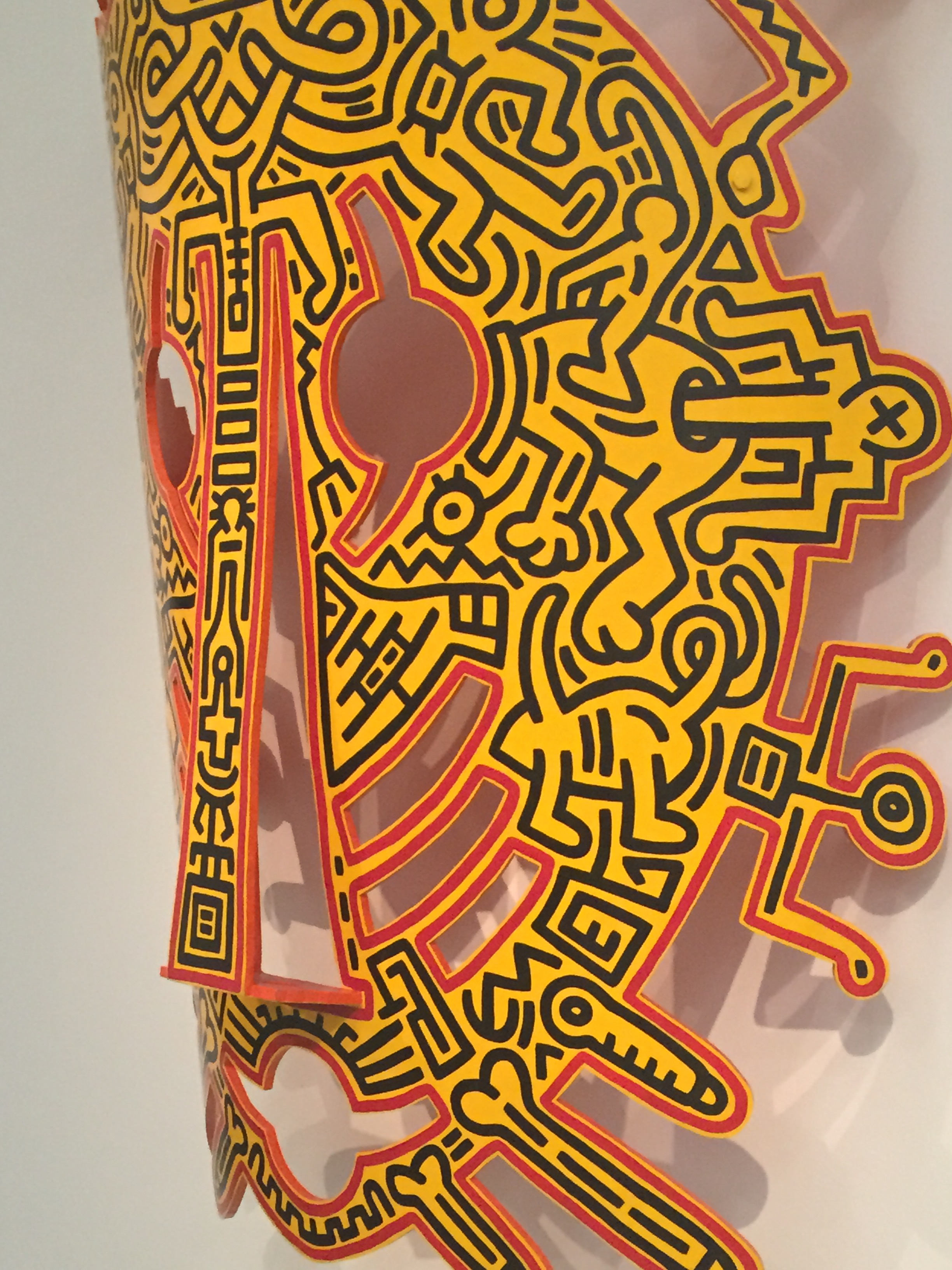
For the first time in 15 years in Germany, and for the very first time in Munich, the Kunsthalle is presenting a solo exhibition on Keith Haring. More than 160 artworks attest to the diversity of his oeuvre: the early Subway Drawings, large-scale paintings on canvases and tarpaulins, sketches, sculptures and works in enamel. Documentary material puts the finishing touches to the picture of Haring the artist and activist. The exhibits are from museums and private collections in America and Europe, some on show for the first time since his death.

IMG_3132

In New York, during the conservatism of the Reagan era, Keith Haring (1958–1990) made it his mission to highlight social evils in his work. He took a clear stance against the excesses of capitalism and was committed to nuclear disarmament, environmental protection and equal rights for all, irrespective of ethnicity, skin colour, religion or sexual orientation.

At the time of his death from AIDS- Keith Haring  was only 31 years old, with  a creative career of 10 years, he had achieved an international attention not just for his art but also for his political activism and he spoke openly about his illness.

IMG_3123

IMG_3124

In 1989, the artists set up the Keith Haring Foundation which its double mission is to provide educational opportunities for underprivileged children and to raise awareness of AIDS and HIV without prejudice.  Julia Gruen, the executive director of the Foundation attended the preview and the opening.

IMG_3133

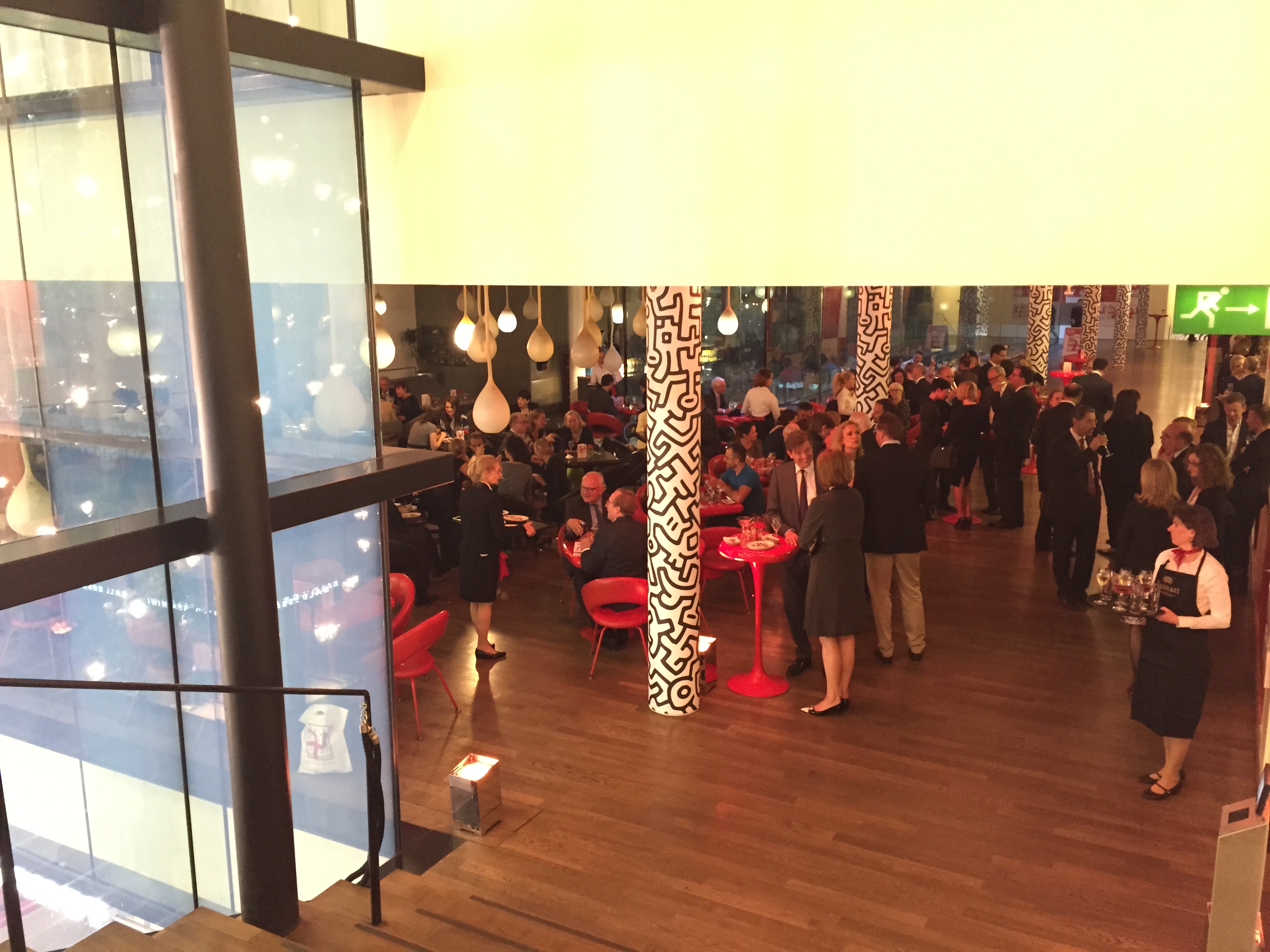
Roger Diederen, the director of Kunsthalle München  hosted a lovely reception for his numerous  international and Munich guests.

IMG_3145

all photos@VK

“The public has a right to art. It is the responsibility of a ‘self-proclaimed artist’ to realize the public needs art, and not to make bourgeois art for the few and ignore the masses. Art is for everybody.”
KEITH HARING
Journals, 1978


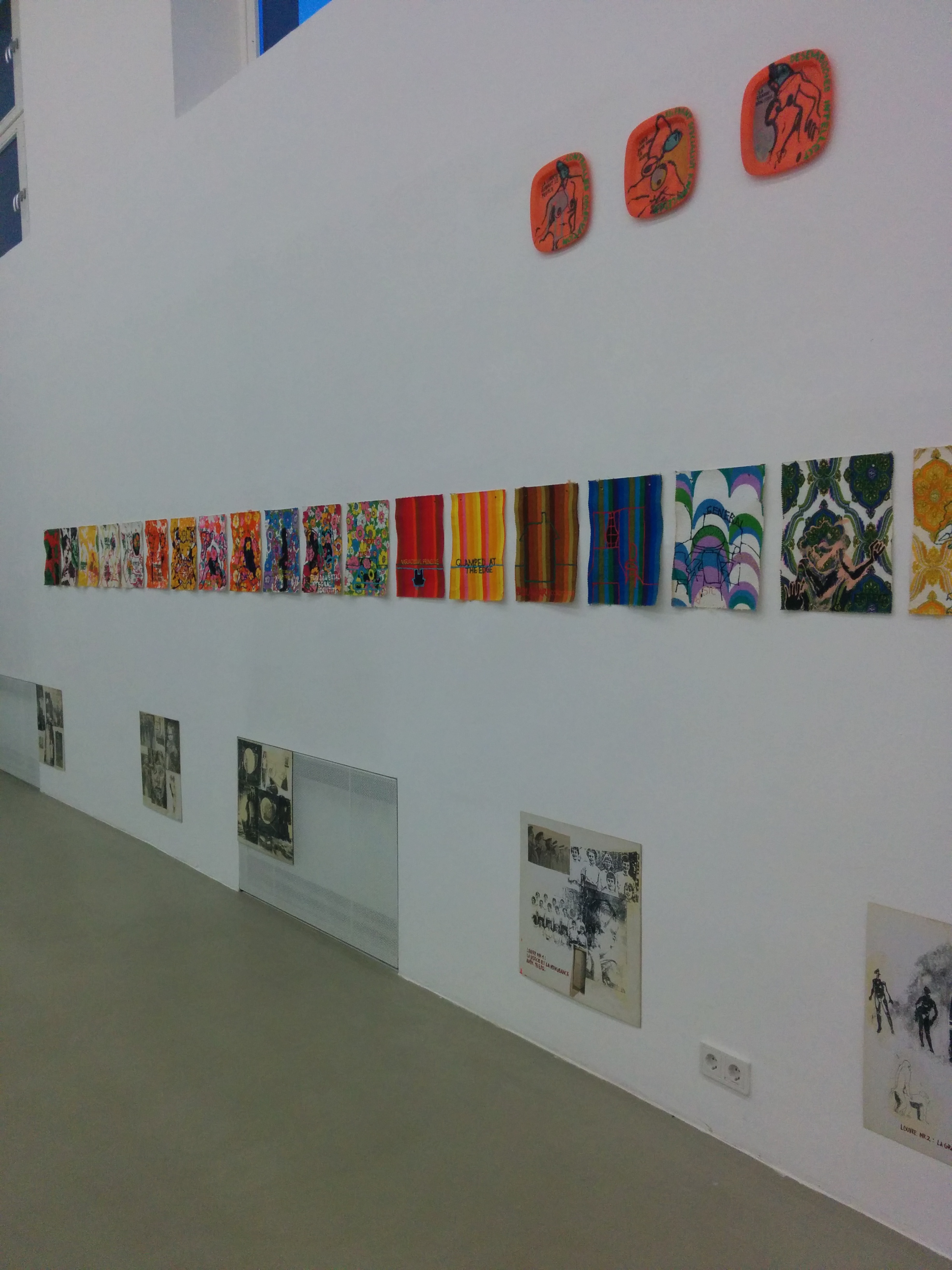
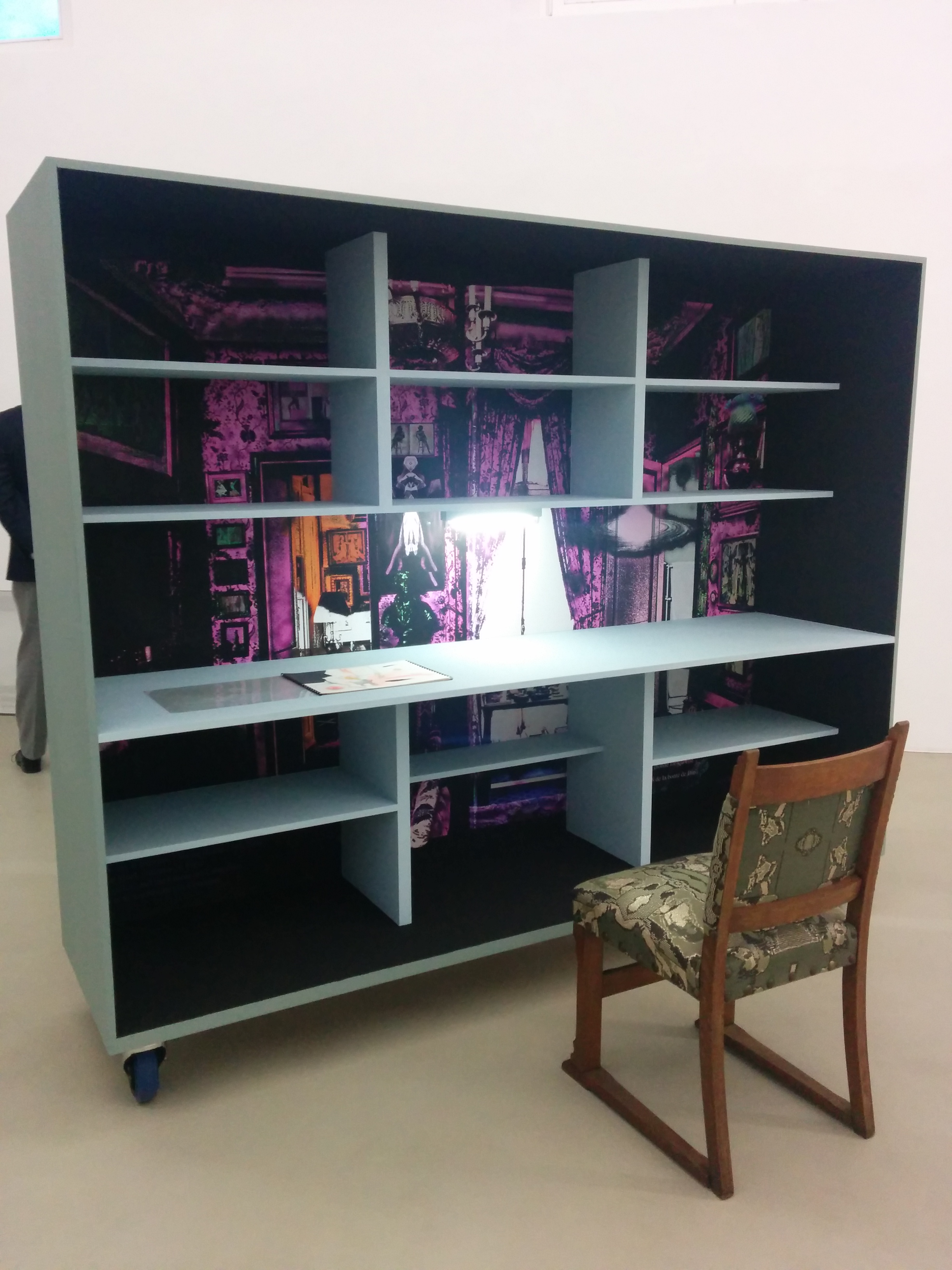
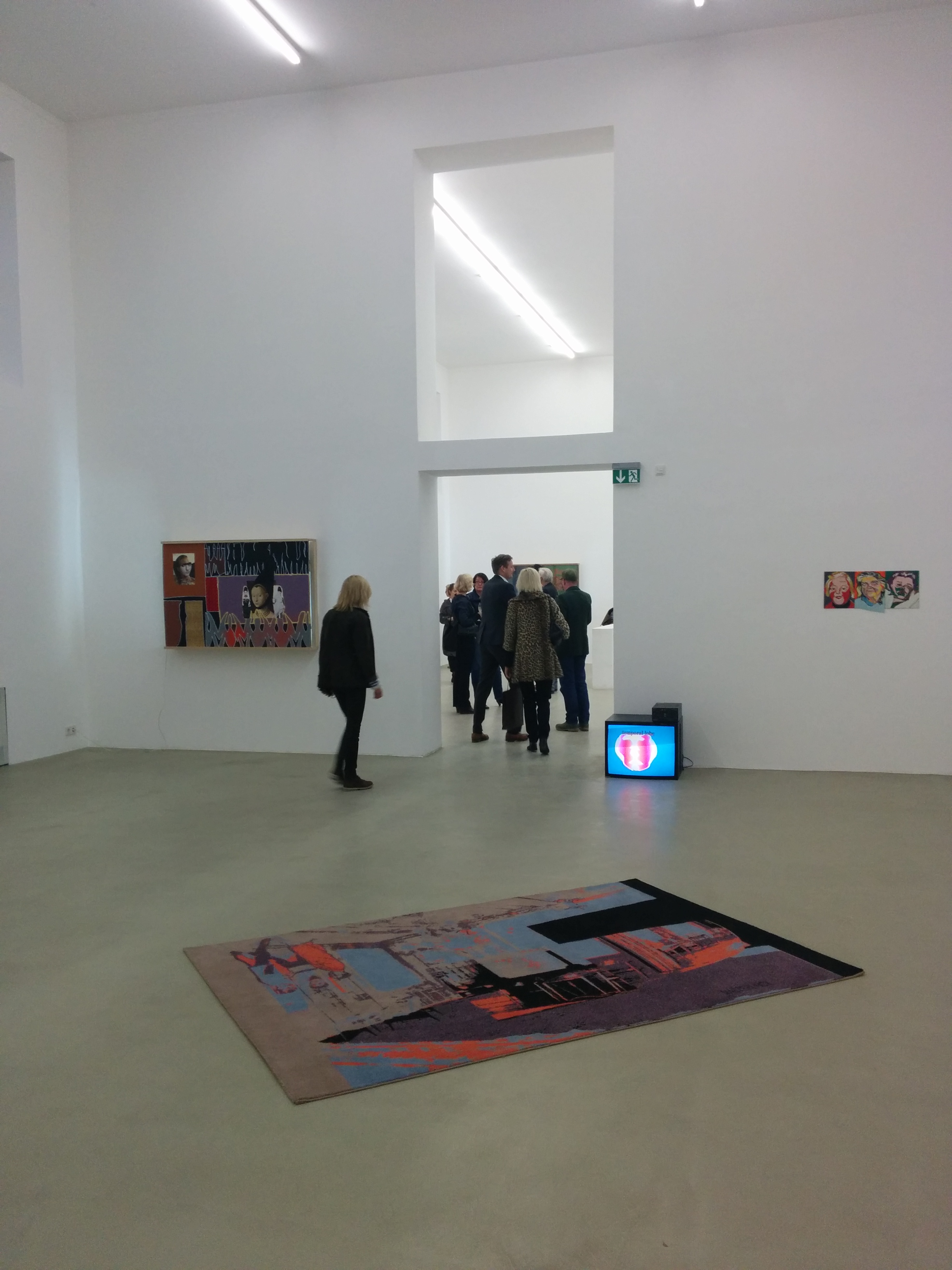
Munich; Kunstverein: Ann-Mie Van Kerckhoven and at Espace Louis Vuitton: Cory Arcangel

Attending preview opening for the Friends of Kunstverein München, k.m., a wonderful exhibition ” Serving Compressed Energy with Vacuum” by Anne-Mie van Kerckhoven, first exhibition by the newly arrived  director of Kunsteverein, Chris Fitzpatrick. Next, a lovely coctail reception at the Espace Louis Vuitton  of “Be the first of your friends”, the first monographic show of the  American artist Cory Arcangel.

kusntv2

Curated by Chris Fitzpatrick and van Kerckhoven, this expansive exhibition will be the artist’s most comprehensive presentation to date, with 178 works produced between 1975 and 2015. Many of these are being exhibited for the first time, installed in an interwoven and anti-chronological configuration to show Van Kerckhoven’s practice as an interminable continuum of forms and ideas. 

kunstv3


16 mm film. animation, drawing, graphics, installation, paintings, sculpture, silkscreen, sound, text, and video works are densely installed throughout Kunstverein four walls.

kunstve

k.m preview opening, photos@AN

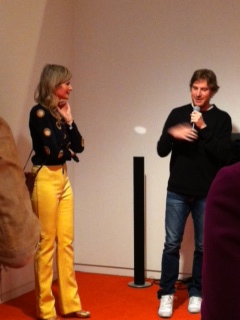
Espace Louis Vuitton  “Be the first of your friends”, the first monographic show of the American artist Cory Arcangel.

Cory Arcangel is an artist who works in a variety of different mediums, including drawing, print, video, performance, and video game modifications. Often using appropriation, he creatively re-uses existing physical and digital materials to create works that oftentimes explore the relationship between technology and culture. Best known for his interest in video games and his highly digital aesthetic, Arcangel established himself through his work manipulating classic video games, altering their programming to distill fragments of their iconic imagery. Interested more generally in pop culture and pop culture nostalgia, Arcangel has taken as his subject other new media forms, including YouTube and blogs, using them to create works that explore their role in our cultural landscape. (http://www.artspace.com/cory_arcangel
photo Anja Kaehny, director of the Espace, Munich and Cory Arcangel, photo@vk

imaged.php

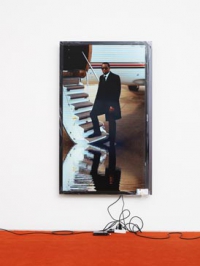
Cory Arcangel, Diddy / Lakes, 2013
1920 x 1080 H.264/MPEG-4 Part 10 looped digital file (from​lossless Quicktime Animation master), media player, 70” flatscreen, armature, various cables, 200 x 93 x 28 cm

Collector Alain Servais on Insider Trading in the Art Market, “Blood-Sucking Leeches,” and Why We’re Now Just the Fashion Industry (May 23, 2015) on Artcangel.

Let’s say you put yourself in the year 2150, and you’re looking at your history books. What happened in the 2000s? I would say a few things. Religious war and the advent of the Internet throughout our lives—it’s like the invention of the electric light or the telegraph—and Internet 2.0, which is the social layer of Facebook and Twitter and all the rest. It is obvious that this is what will be remembered of today. So if there are artists who are creating interesting, questioning works that are talking about this evolution… and it’s not about doing geeky things, it’s not about doing gadgets. It’s about looking around, and looking around again.
Like Cory Arcangel’s early works that remove Mario from Super Mario Brothers and just leave the landscape of the clouds. They’re expressing something about looking at reality in another way—that’s why they’re works of art.

Munich; Pinakothek der Moderne ” Expressive El Greco”, painting by El Greco is first work from the Alte Pinakothek to be shown at the Pinakothek der Moderne

28.11.2014 – 12.04.2015

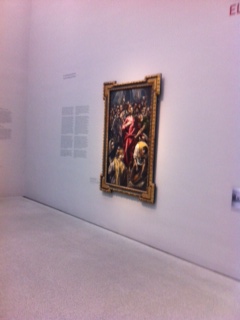
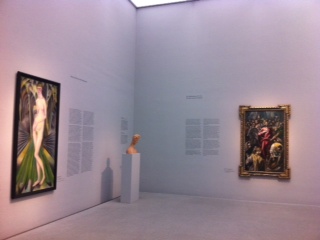
What most inspiring than on Saturday morning step  at Pinakothek der Moderne to see this  amazing interesting small exhibition, “ Expressive El Greco”.  The work ‘The Disrobing of Christ’  is the first work from the Alte Pinakothek to be shown in the Pinakothek der Moderne.. This quest appearance highlights a noteworthy art historical point: the beginning of the 20th century El Greco became a role model of central importance for many European artists. They enthusiastically examined his work and celebrated him as a prophet of Modernism.

Curators: Dr. Elisabeth Hipp, Dr. Oliver Kase

photo 1 copy 3

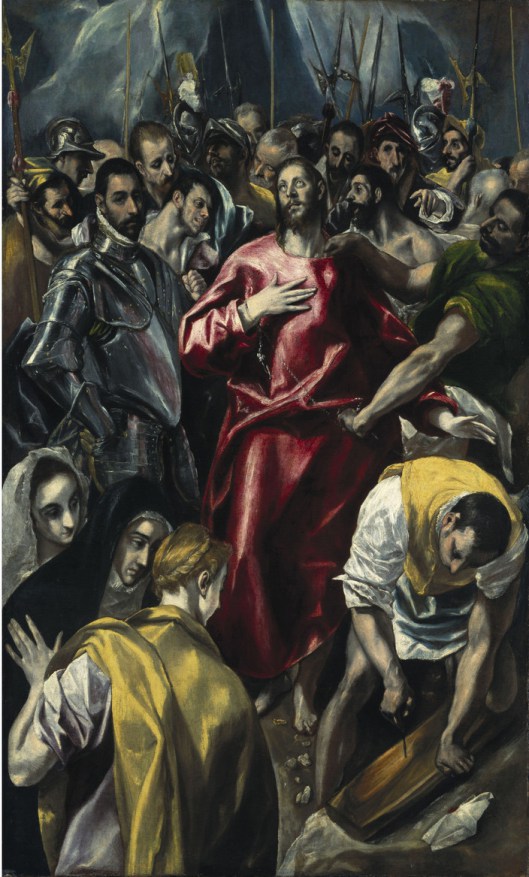
Entkleidung Christi (El Espolio)

El Greco (Doménikos Theotokópoulos) (1541-1614) and workshop, The Disrobing of Christ, bet. 1580 and 1595, oil on canvas, 165 x 98,8 cm © Bayerische Staatsgemäldesammlungen, Alte Pinakothek, Munich.

‘The Disrobing of Christ’  had already been acquired for the Alte Pinakothek in 1909 by Hugo von Tschudi (1851-1911), one of the pioneering museum directors of this day, and was immediately integrated into the permanent collection. The painting is a smaller replica of the famous altarpiece in the sacristy of Toledo cathedral.

photo 2 copy 5

The exhibition “Expressive El Greco” unites several works by Expressionist and Cubist-Futurist artists who were known to be ardent admirers of El Greco orwho very probably gained important stimuli from his work.

During the partial closure of the Alte Pinakothek due to renovation work, this picture – that is very popular among visitors – has now been placed next to a number of works by Expressionist artists who indentified with El Greco’s painting in particular. These include Heinrich Maria Davringhausen, Robert Delaunay, Wilhelm Lehmbruck and Franz Marc, among others.

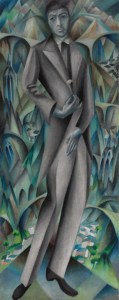
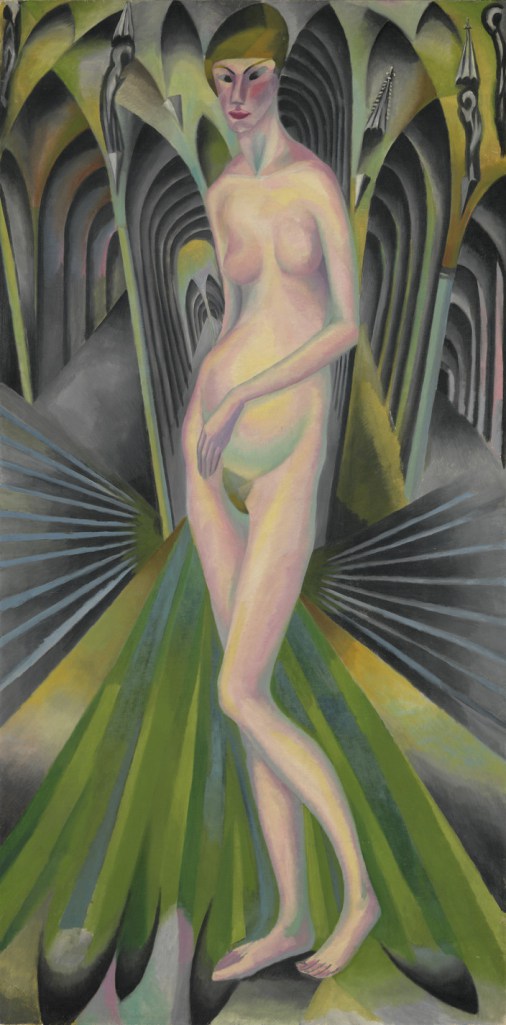
Heinrich Maria Davringhausen‘ s (grew up in Aachen, son of a factory owner is one of the founders and protagonists of New Objectivity),

2834

Self Portrtait with Flower” of 1916 is a direct reference to El Greco’s  ‘St. John the Baptist’ and ‘Female Nude in Architectural Setting’.   These are narrow, large format figurative pictures that Davringhausen created in 1916. Both of these works were only rediscovered in the mid 1990s. Later defamed by the Nazis as ‘degenerate’, Davringhausen hid them at a friend’ s in  Aachen before emigrating to Spain in 1933 and never showed them at exhibitions even after the war.  “Female Nude in Architectural Setting” was acquired by the Pinakothek der Moderne in 2014.


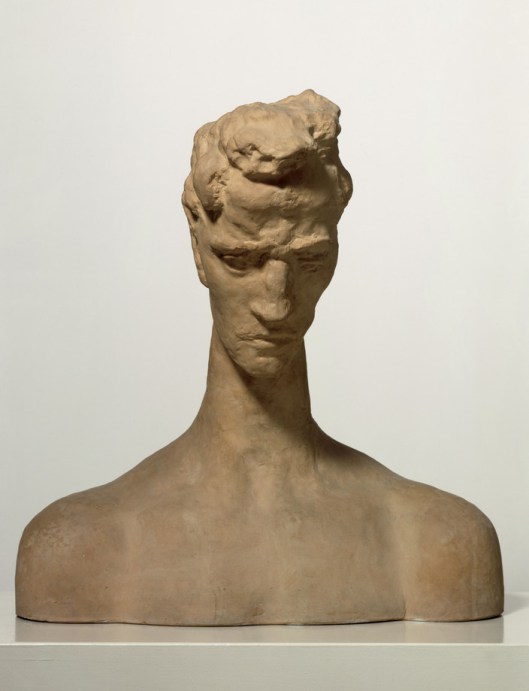
Robert Delaunay’s ‘Saint Severin’ of 1909, Max Oppenheimer’ s ‘Portrait of Thannhauser’ 1911/12, Wilhelm Lehmruck’s ‘Bust of Youth Ascending, 1913/14 and Franz Marc’ s ‘Tyrol’,1914 are in the exhibition.

Jünglingskopf

Wilhelm Lehmbruck, Bust of the Ascending youth, 1913-14. Terracotta, 50.5 x 47 x 32 cm © Bavarian State Collection of Paintings, Modern Art Collection in the Pinakothek der Moderne, Munich

Munich_ “Louise Bourgeois. Structures of Existence: The Cells” at Haus der kunst

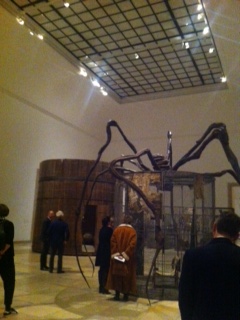
A beautiful evening, preview for the Freunde of Haus der kunst on  wednesda February 25th for the amazing, powerful show “Louise Bourgeois. Structures of Existence: The Cells

exhibition:  27.02 – 02.08.15

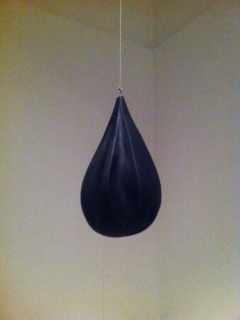
Among the most innovative and challenging sculptural works in her extensive oeuvre are the “Cells”, a series of architectural spaces that preoccupied her for nearly 20 years. Bourgeois’s “Cells” are intensely psychological microcosms: situated within various enclosures, each is a multi-faceted collection of objects and sculptural forms arranged to evoke an atmosphere of emotional resonance….(Hdk presse release)

photo 2 copy

As Bourgeois stated: “The ‘Cells’ represent different types of pain: the physical, the emotional and psychological, and the mental and intellectual. When does the emotional become physical? When does the physical become emotional? It’s a circle going round and round. …Each ‘Cell’ deals with the pleasure of the voyeur, the thrill of looking and being looked at. The ‘Cells’ either attract or repulse each other. There is this urge to integrate, merge, or disintegrate.” (Louise Bourgeois, 1991)

photo 1 copy

more here 

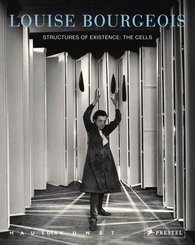
A beautiful catalogue “Structures of Existence; The Cells” edited by Julienne Lorz, with a foreword by Okwui Enwezor; with essays by Bart De Baere, Lynne Cooke, Kate Fowle, Jerry Gorovoy, Julienne Lorz, Griselda Pollock, Dionea Rocha Watt, Nancy Spector, and Ulrich Wilmes.

Published by Prestel 288 pages, approx. 90 color images,(in german or english)

423_5407_154310_xlOn Thursday, 19.03 at 7 film screening at the Film Museum Munich “The Spider, The Mistress and The Tangerine”By Marion Cajori and Amei Wallach © Art Kaleidoscope Foundation, New York, distributed by Zeitgeist Films, 2008 (OV / 99 min)
Introduction: Julienne Lorz


ΑΡΧΑΙΩΝ ΤΟΠΟΣ

ΙΣΤΟΡΙΑ-ΑΡΧΑΙΟΛΟΓΙΑ-ΤΕΧΝΗ- ΕΠΙΣΤΗΜΗ-ΦΙΛΟΣΟΦΙΑ

Keith York City

History made interesting

VK

visits on art, design, architecture and literature

Eclectic Trends

Interior Design and Lifestyle Trends

maria sarri Art projects

#art_projects, #public_art, #site_specific, #post_colonial, #urban_art

Η καλύβα ψηλά στο βουνό

Σε κοίταζα μ' όλο το φως και το σκοτάδι που έχω

tangledjourneys

A personal perspective on human interest stories from an American journalist living abroad

An Englishman in Berlin

Blog about life and culture in Berlin, Germany

nefeliatelier

bits and pieces that interest me

A R T L▼R K

An Alternative Cultural Daybook

Venetian Red Art Blog

Art, the resplendent light that illuminates the world

The School Of Life

visits on art, design, architecture and literature

IGNANT

visits on art, design, architecture and literature

βλέμμα

visits on art, design, architecture and literature

λεξήματα

visits on art, design, architecture and literature

flaneries

This WordPress.com site is the bee's knees

βλέμμα

gaze at Greece

SOUZY TROS

the new T.A.M.A platform