VK

visits on art, design, architecture and literature

… a new film about love “Carol” UK cinemas release on 27th November

……extraordinary performances we have come to expect from Cate Blanchett, who is paired with the no less impressive Rooney Mara as Therese in the director Todd Haynes and the writer ­Phyllis Nagy’s mesmerizing and moving film adaptation of  Patricia Highsmith’s anxiety-laced romance “Carol“. (Frank Rich,’Loving Carol‘) at  New York Magazine,  November 15, 2015) producer; Dorothy Berwin.

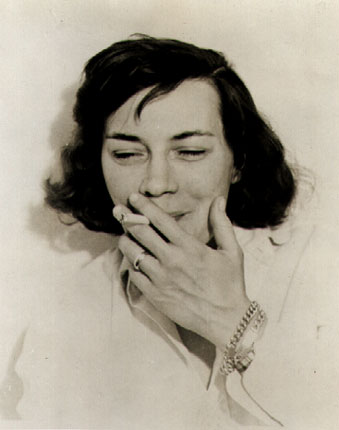
In early December 1948, Patricia Highsmith took a Christmas-season temp job as a shopgirl in the children’s toy department at Bloomingdale’s. Highsmith, a 27-year-old native of Fort Worth, Texas, and a 1942 Barnard graduate, was a budding novelist who had been supporting herself for five years as a freelance action-comic-book writer, concocting stories for lesser superheroes like Spy Smasher and Black Terror — a rare gig for a woman in the golden age of comics. 
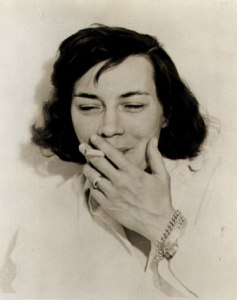
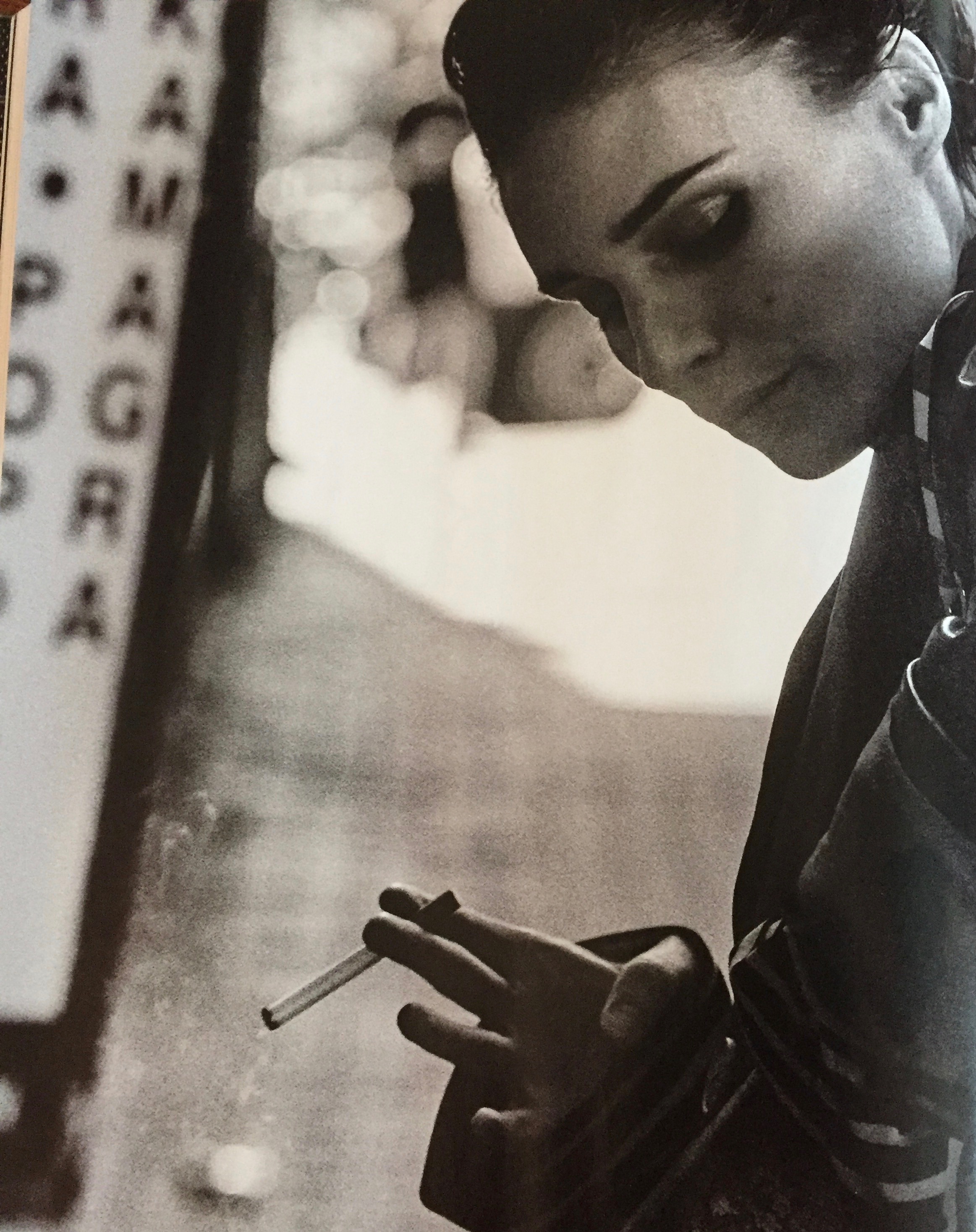
Pathigh                                                                                           Patricia Smith, publicity photo, 1966

Patricia Highsmith (19 January 1921 – 4 February 1995) was an American novelist and short story writer, known for her psychological thrillers, which led to more than two dozen film adaptations. Her first novel, Strangers on a Train, has been adapted for stage and screen numerous times, notably by Alfred Hitchcock in 1951. In addition to her series with Tom Ripley as protagonist, she wrote many short stories. Michael Dirda observed, “Europeans honored her as a psychological novelist, part of an existentialist tradition represented by her own favorite writers, in particular Dostoyevsky, Conrad, Kafka, Gide, and Camus.”[2]
51lL4Q+YU+L._SX322_BO1,204,203,200_

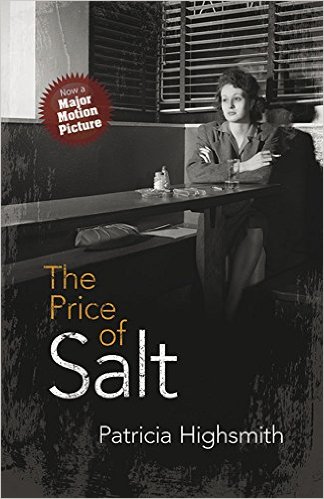
The Price of Salt (later published under the title Carol) is a 1952 romance novel by Patricia Highsmith, first published under the pseudonym Claire Morgan.

PriceOfSalt

“Carol’  is certain to bring new readers to Highsmith, and once they dig in, they will be ravenous for more.

Highsmith was a lifelong diarist. She left behind eight thousand pages of handwritten notebooks and diaries.[6] After graduating from college, she started applying for work in various magazines, such as Harper’s Bazaar, Vogue, The New Yorker, Mademoiselle, Good Housekeeping and others, carrying “impressive” recommendations from “highly placed” professionals, and was getting rejected.[4] Her short stories started appearing eventually in Ellery Queen’s Mystery Magazine, in the early 1950s.
f014bc63-deb3-443d-9039-16a60e0c1f15-bestSizeAvailable

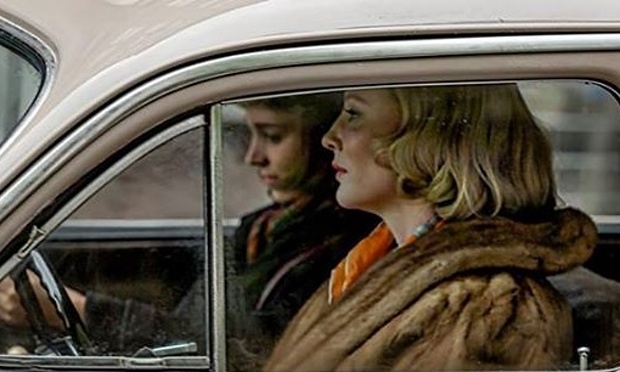
The simple use of color for Blanchett and Mara’s clothing says plenty about the characters, especially in the silences the movie wanders into for extended periods. If there’s one complaint, and it’s just a personal preference, it’s the use of filters. (Lesley Coffin, movie Review, ‘Carol’ is a Beautiful, Composed Slow-Burn)

….But then you look at a film like Carol, and peer through the windows it opens onto both cultural history and actual history, and you realize how much we don’t know about a past that unfolded in the shadows until not very long ago. You also start to wonder how many cultural treasures and figures are buried in that antiquity, invisible to most of heterosexual America and perhaps to much of younger gay America, too. Highsmith’s “lesbian book,” its million paperback copies of six decades ago notwithstanding, is just such a case.(Frank Rich, ‘Loving Carol’at New York Magazine,  nov 15, 2015) 

…..Throughout, Haynes’s direction translates Highsmith’s hushed, spare, unnerving narrative voice into visual terms reminiscent of James Stewart’s feverish fixation on Kim Novak in Vertigo. (Frank Rich, ‘Loving Carol,at New York Magazine)

images

20-minute interview, Cate Blanchett, Rooney Mara, director Todd Haynes and screenwriter Phyllis Nagy talk about making the 1950s-set romantic drama Carol, adapted from the novel by Patricia Highsmith
Anatomy of a scene “Carol” at New York Times/Culture

images-1

What Haynes gets so perfectly right with this film really is the very specific sense of time and place, the urban life of those torn between domestic life and beat culture, before public and vocal feminist and LGBT activism. (Lesley Coffin, movie Review)

The greatest credit needs to be addressed to the producer of ‘Carol’, Dorothy Berwin, a dynamic London-born, New York based producer who as the Hollywood Reporter says, ‘has never been one to chase trends. She began developing the Cate Blanchett-Rooney Mara love story Carol, another TWC title, nearly two decades ago — long before there was a box-office appetite for such fare…

On the Q of Hollywood Reporter to Dorothy Berwin, “You spend 19 years developing the Patricia Highsmith novel ‘Carol’. Why did it take so long? Dorothy Berwick answers; ” I was working on it with (playwright) Phyllis Nagy, who wrote the script and kept refining it. And Todd Haynes worked to make it his own, though it was very much Phyllis ‘ script. I used to love pitching it as;  “It’s 1950s New York. Grace Kelly walks into department store and falls in love with Audrey Hepburn.”


Generated by IJG JPEG Library

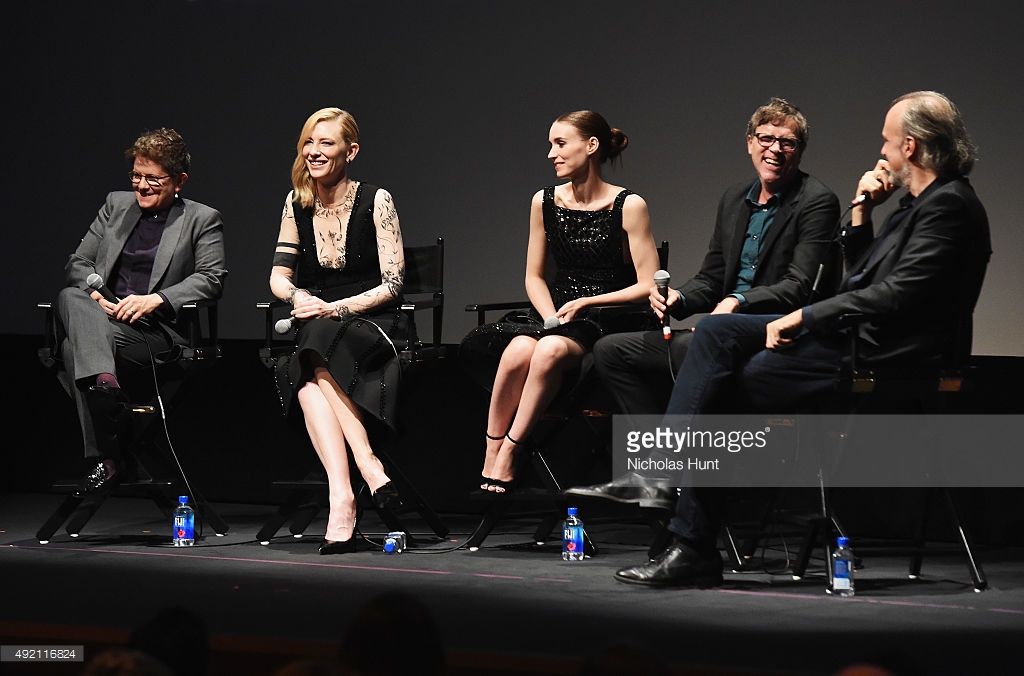
Phyllis Nagy, Cate Blanchett, Rooney Mara, Todd Haynes and Kent Jones attends a Q&A for the film ‘Carol” during the 53rd New York Film Festival at Alice Tully Hall, Lincoln Center on October 8, 2015 in New York City
 

IMG_9064 (1)

IMG_9063

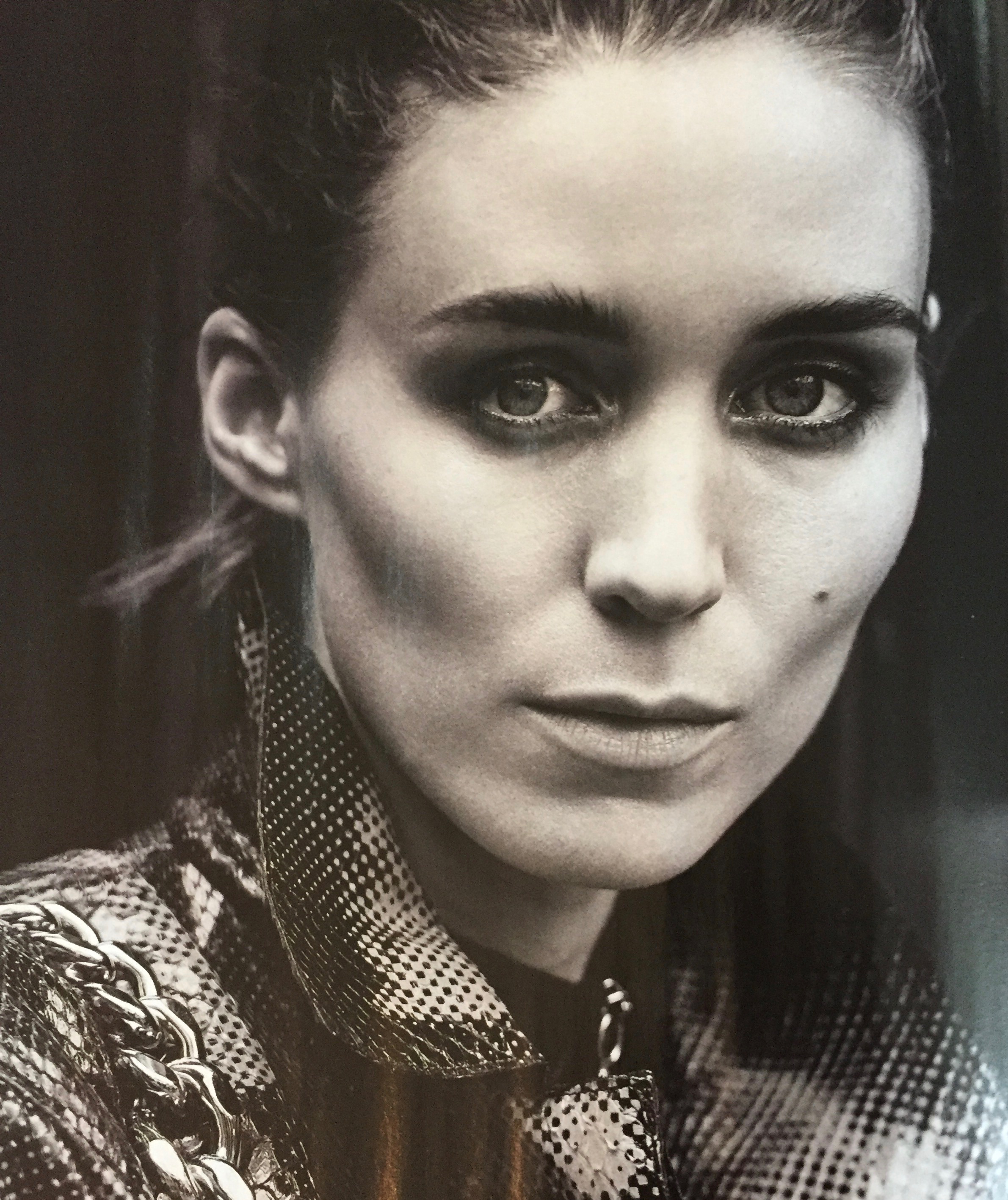
Rooney Mara, beautifully  photographed by Peter Lindberg at the recent (December 2015/Jan 2016) German  Interview

Director Todd Haynes on film Carol/BBC radio /Film Programme,’Radio in Four’, 6min
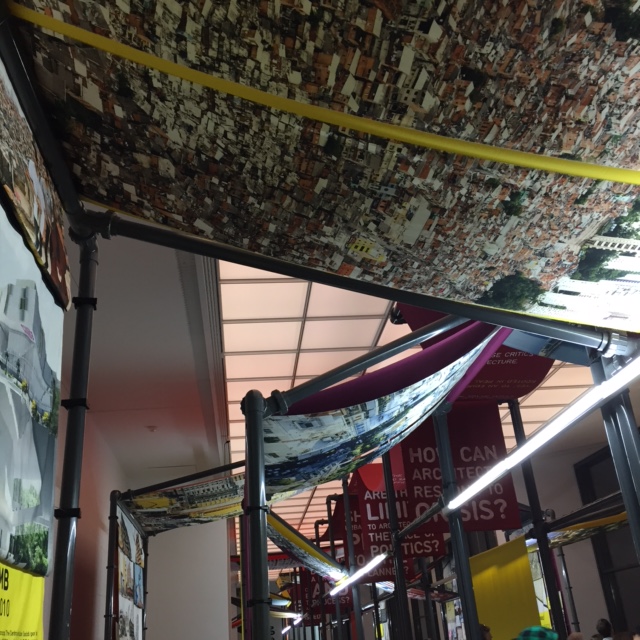


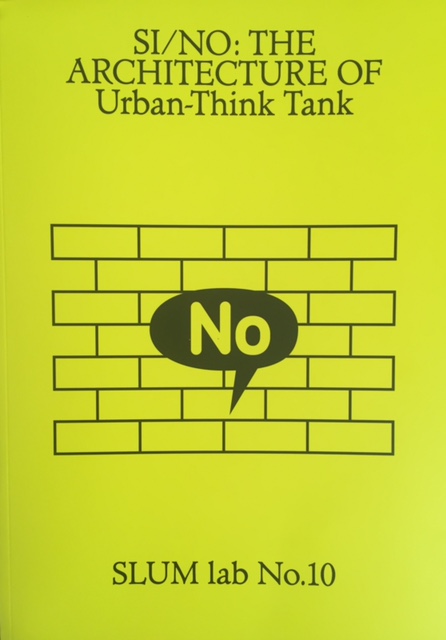
Munich; ‘SÍ/NO: THE ARCHITECTURE OF Urban-Think-Tank’ at Architekturmuseum of TU München at Pinakothek der Moderne

A truly amazing  exhibition opened last night at the Architektur Museum at Pinakothek der Moderne of  “SI/NO: The ARCHITECTURE of Urban-Think Tank”.  A great concept and fabulous installation;  presented to us an architecture of uncertainty, fixed images of the profession from the inside.  It clearly reflects the present state of our global society. Congratulations to Dr Andres Lepik, director of TU/München and Alfredo Brillembourg and Hubert Klumpner (direct the Chair of Architecture and Urban Design at ETH Zurich)

IMG_8872

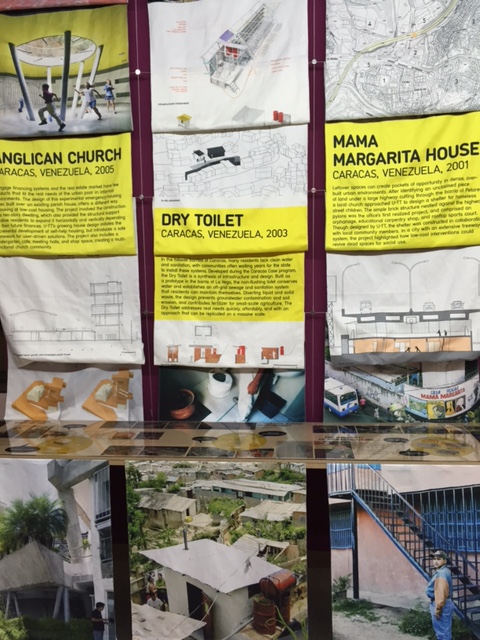
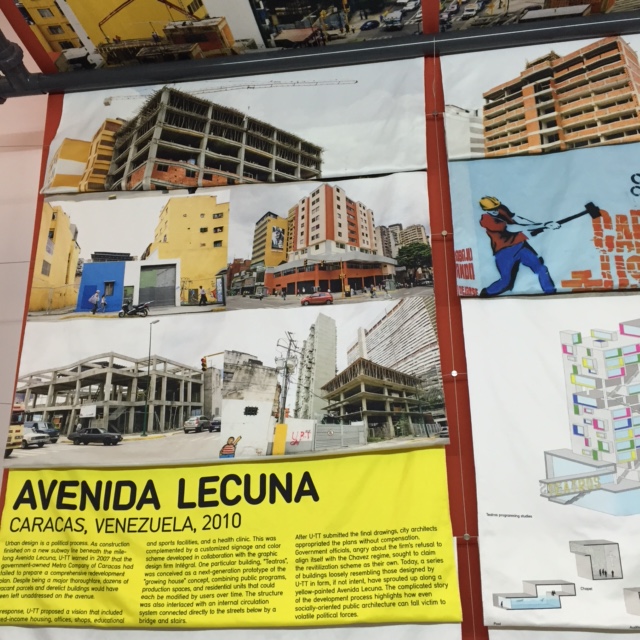
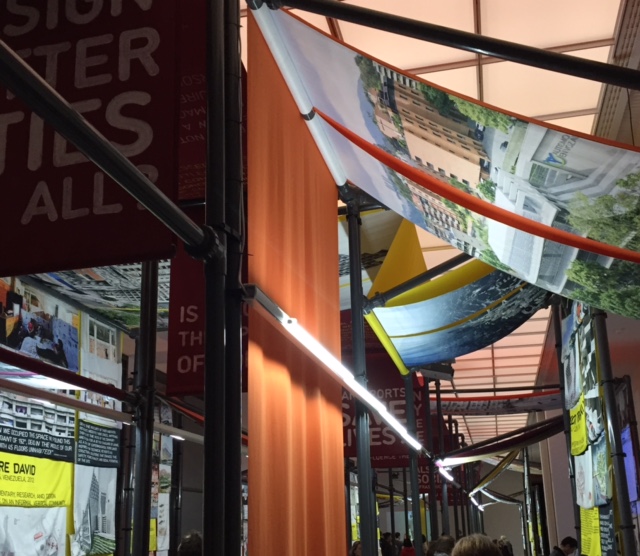
exhibition view at Architekturmuseum, Munich  photo@VK

Urban-Think Tank (U-TT) is an interdisciplinary design studio, founded in 1998 by architects Alfredo Brillembourg and Hubert Klumpner in Caracas, Venezuela.

according to some estimates, around 60% of the population lives in informal settlements due to the long-term failure of official housing policy. Urban Think Tank has addressed this extreme situation from the very beginning, having recognised the chance for its research to result in insights that might be transferrable to other, comparable locations around the world. … the practices’ founders, Brillembourg and Klumpner went beyond simply analysing the existing situation, and instead attempted as architects and planners to develop concrete contributions for upgrading the barrios in small steps, or linking them to the planned city in the long-term.

011

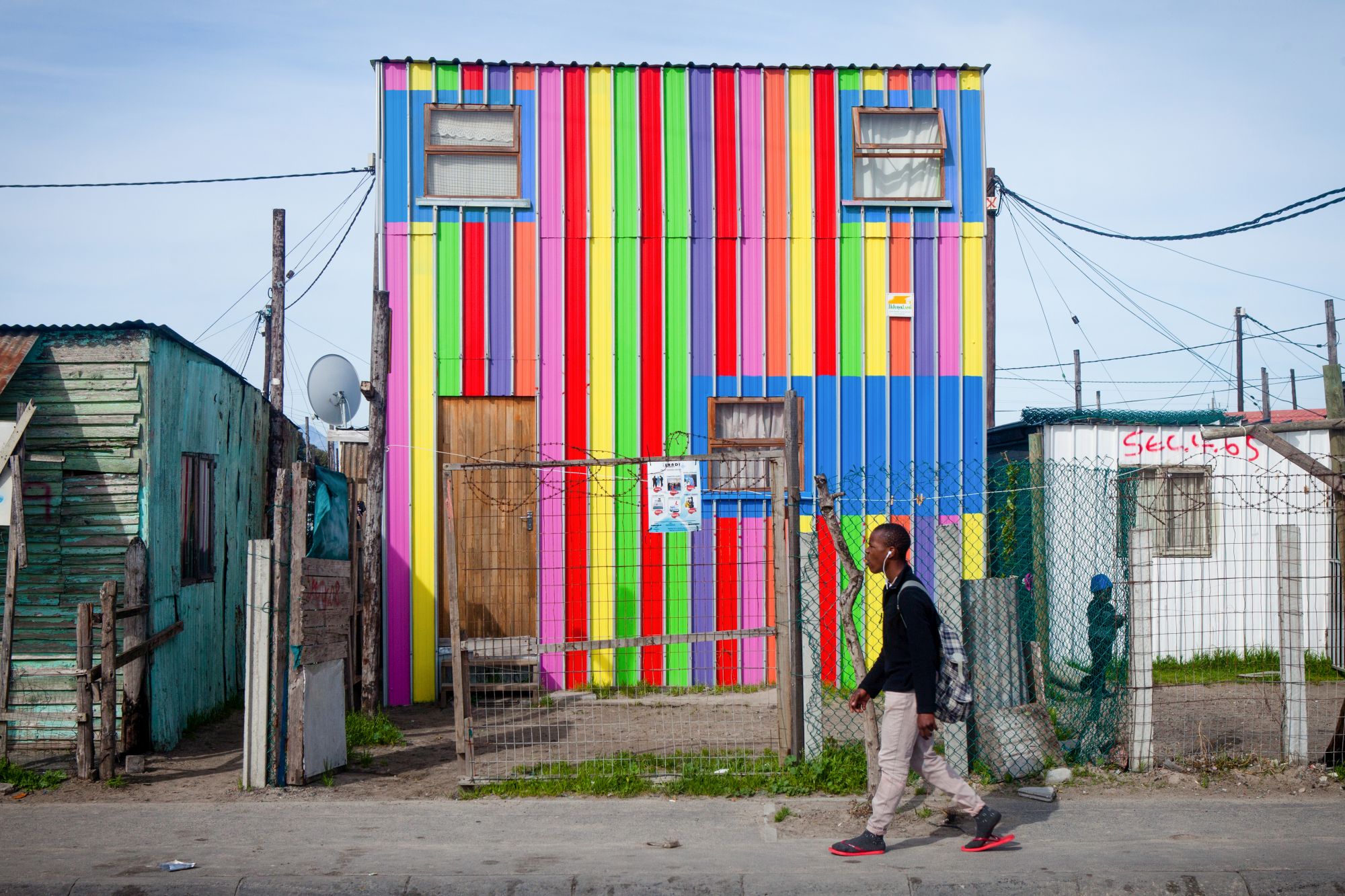
U-TT, Empower Shack
Khayelitsha, Cape Town, South Africa
© U-TT, photo: Daniel Schwartz/U-TT at ETH
010
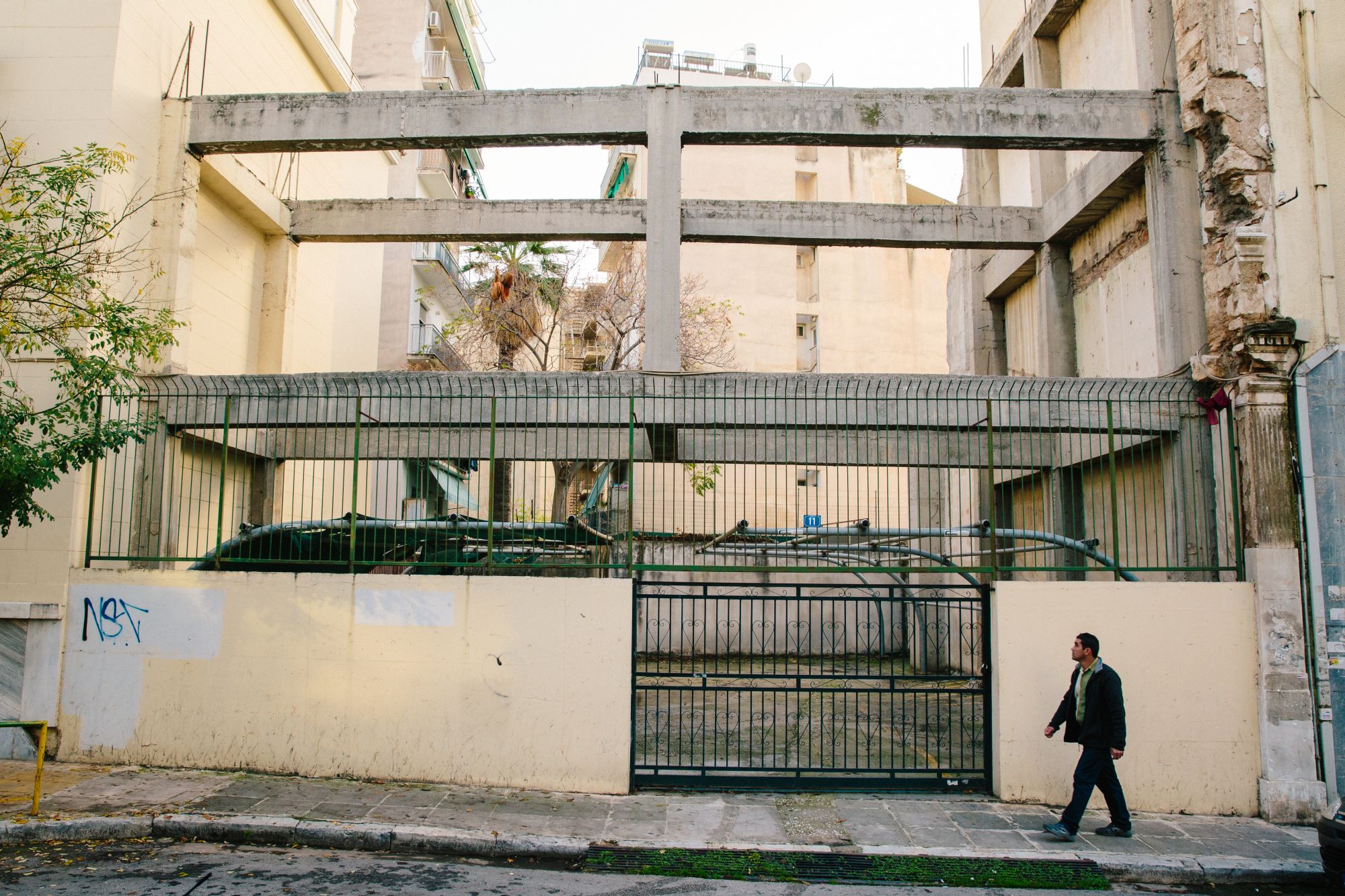
U-TT, Reactivate Athens, Greece
© U-TT, photo: Daniel Schwartz/U-TT at ETH
Daniel Will, exhibition architect; Daniel Schwartz, filmmaker, photographer and the leading person in the organisation of the exhibition and Helen Bendixen, architect who are  involved in the exhibition with curatorial support say about the structure:
.. it was inspired by marketplaces, circuses, and favelas – places which show extreme concentrations of spatial density and where the effect of moving through these spaces changes each time and depends on how it is approached.  Ultimately, we wanted to create an exhibition that was both didactic and experiential, and this design allowed us to do so.  (from the interview to Ayca  Beygo, at TU newsletter, 11/2015)

IMG_8863

IMG_8868

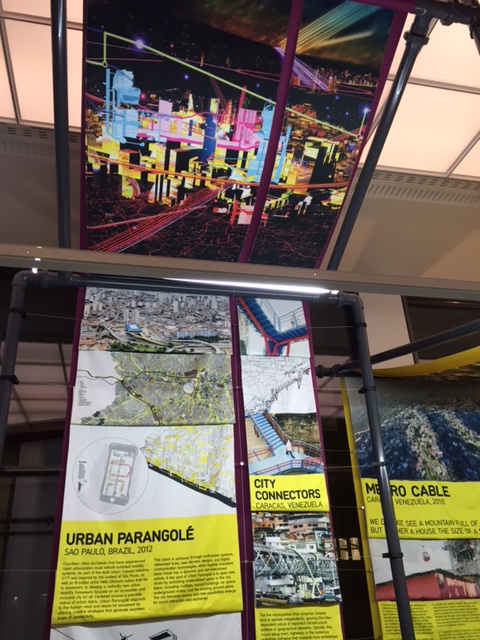
 exhibition view at Architekturmuseum,Munich @photoVK


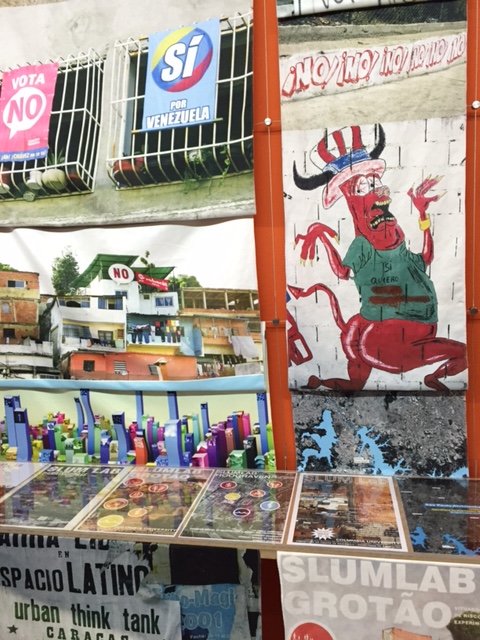
With this exhibition, Brillembourg and Klumpner work to advance their vision in another unusual way: much of U-TT’s collected research and project-based stories are distributed through a spatial installation. PVC water pipes generate a series of tents and passageway, covered by two layers of fabrics. The visitor is encouraged to find her personal path, discover and interact with the material e.g. touching the fabric and lift it up. The simplicity of the structure, the easy installation and dismantling that enable easy transportation, the adaptability, as well as the minimum employment of tools, show the originality of the design. Such process- oriented components represent the approach of U-TT in their projects.

IMG_8865

exhibition view at Architekturmuseum, Munich, photo@VK

What is the role of the architect today? How feasible is the status quo for future cities? With focus on the political and economic conflicts of Caracas, U-TT principals Brillembourg und Klumpner point out that the profession of architects is no longer engaged with social reality. This is the case not only in Caracas but all around the world. Although cities matter more than ever to the future of the humanity, they are sites of inequality and exclusionary growth. A combination of idealism and criticality is essential to redefining the possibilities of design and usher in an alternative to the status quo.

02 2

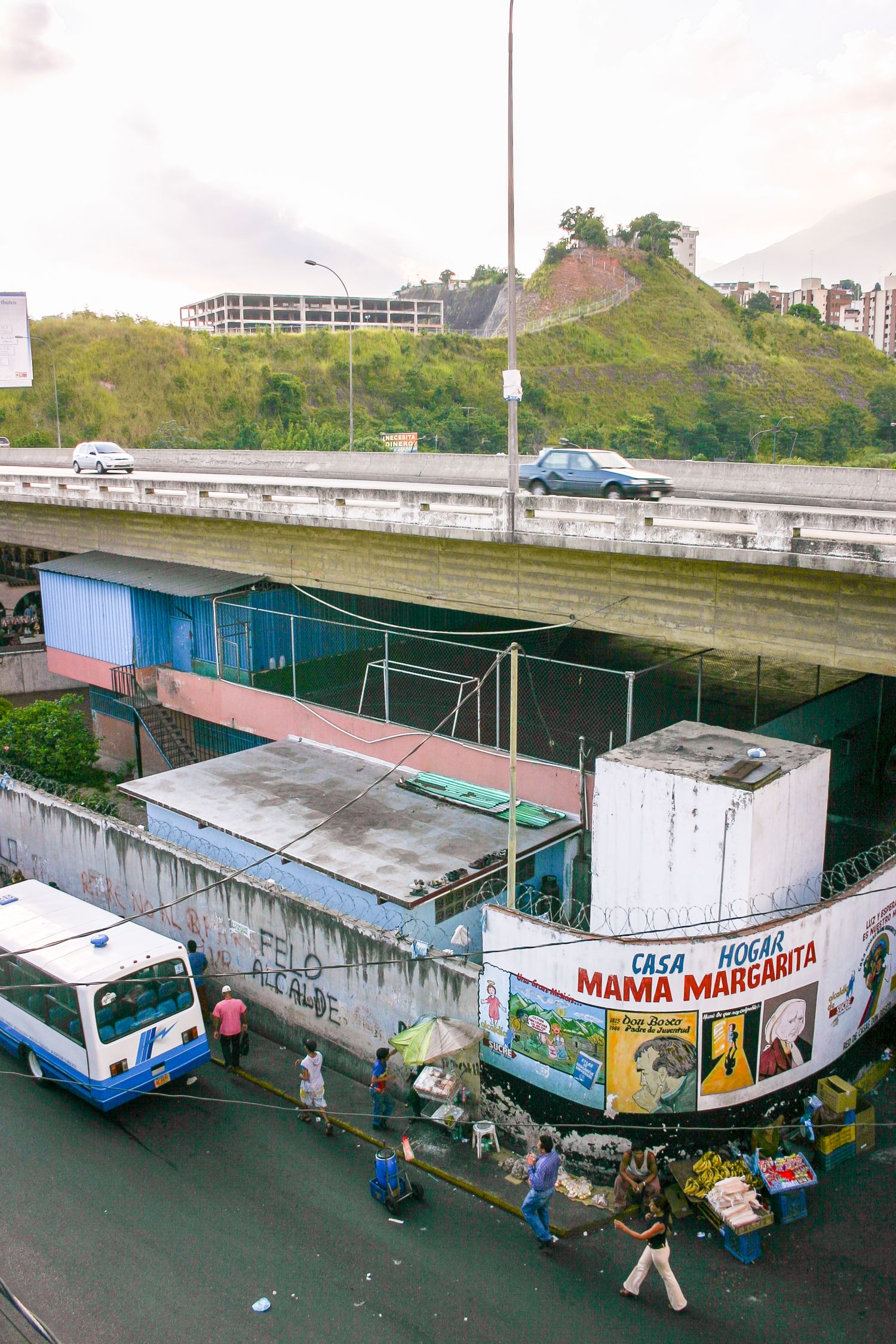
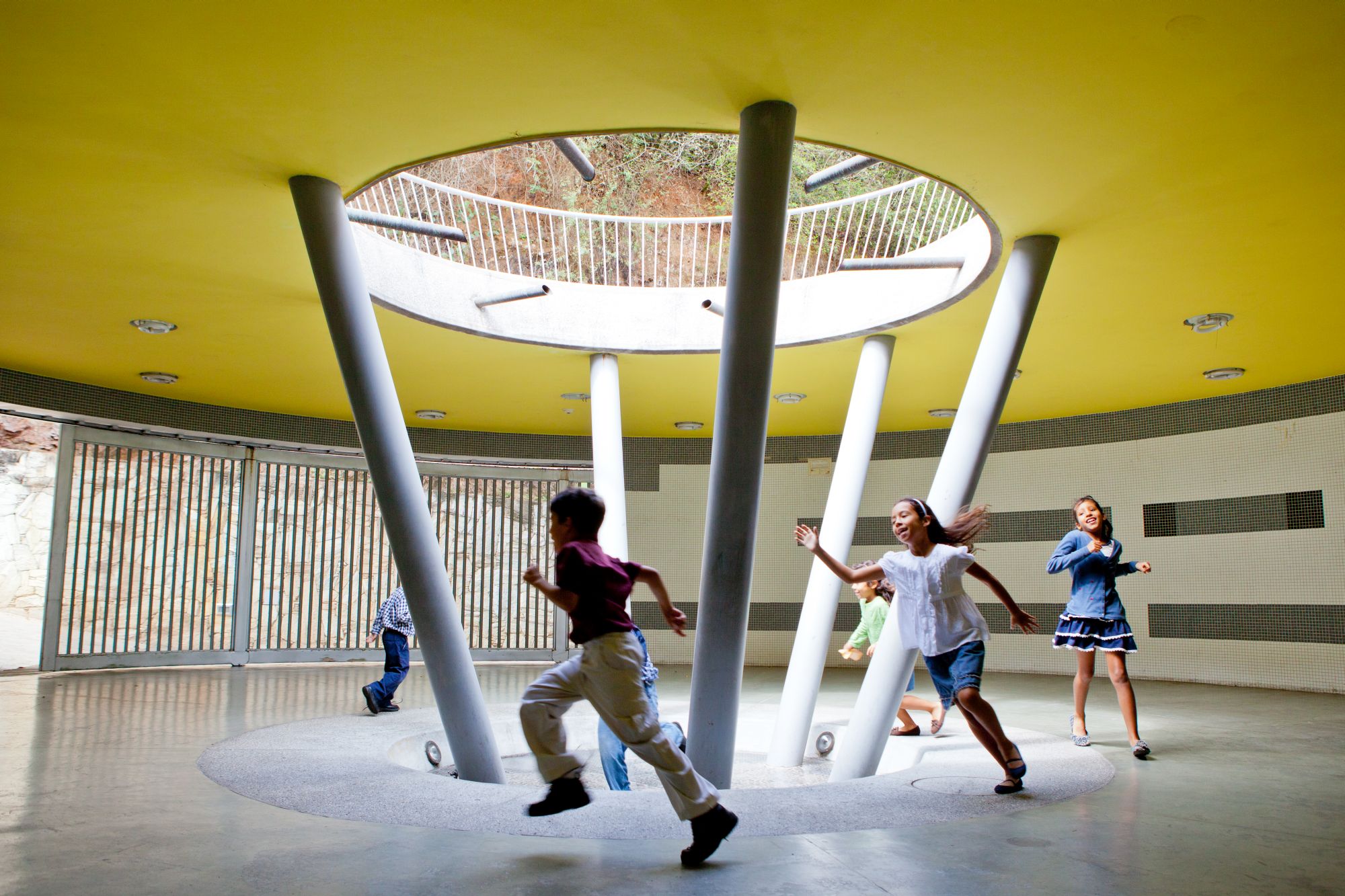
U-TT, Mama Margarita Children’s Home Caracas, Venezuela
© U-TT, photo: U-TT at ETH


The Architecture of Urban-Think Tank is already the third show in which the Architecturmuseum of TU Munich is addressing that new generation of architects who are radically questioning the traditional occupational profile, and developing new approaches in practice to once again bring the profession closer to the social problems of today.

IMG_8879

exhibition view at Architekturmuseum, Munich, photo@VK

The fact that with this exhibition Urban-Think Tank is also trying out new and unusual strategies for presenting architecture is a logical extension of the practice up to this point. The provocation generated in the process will not, however, be beneficial in every case, since Urban-Think Tank allows visitors to participate in the complex questions that Brillembourg and Klumpner ask themselves on a day-to-day basis in order to position architecture as a relevant discipline.  What they present to us is an architecture of uncertainty, questioning fixed images of the profession from the inside. Their work clearly reflect the present state of our global society.  (Dr Andres Lepik. director of TU/Munich, ‘Healing Provations’ at the Intro of the publication “SI/NO: The Architect of Urban-Think Tank, Slum lab No. 10”

A  wonderful publication for the Exhibition is published by Slum Lab magazine (is a unique lab that works as a nomadic enterprise, bringing planners, academics, architects, and students from all areas of the globe to converge and work towards an understanding of the link between urban planning. poverty alleviation, and sustainable urban development. It was founded by Alfredo Brillembourg and Hubert Clumpier at Columbia University and is now part of their curriculum at ETH Zurich).

FullSizeRender 2

FullSizeRender

exhibition view at Architekturmuseum, photo@VK
05
U-TT, The Anglican Church Upgrade
Baruta Caracas, Venezuela
© U-TT, photo: Daniel Schwartz/U-TT at ETH

Since 2010, Alfredo Brillembourg und Hubert Klumpner  direct  the Chair of Architecture and Urban Design at ETH Zurich. Through teaching, they have focused on the education of a new generation of socially engaged architects. Through exhibitions, publications, and films, they ask questions that challenge public perceptions and design dogmas.

A corresponding lecture series will take place during the exhibition in the Architekturmuseum.

Design strategy collective Urban-Think Tank has designed and built a prototypical house as part of an initiative to improve housing conditions for slum dwellers in some of the 2700 informal settlements across South Africa (+ movie). (published on Dezeen magazine, march 7, 2014)

Athens; “BLESS” at Radio Athenes

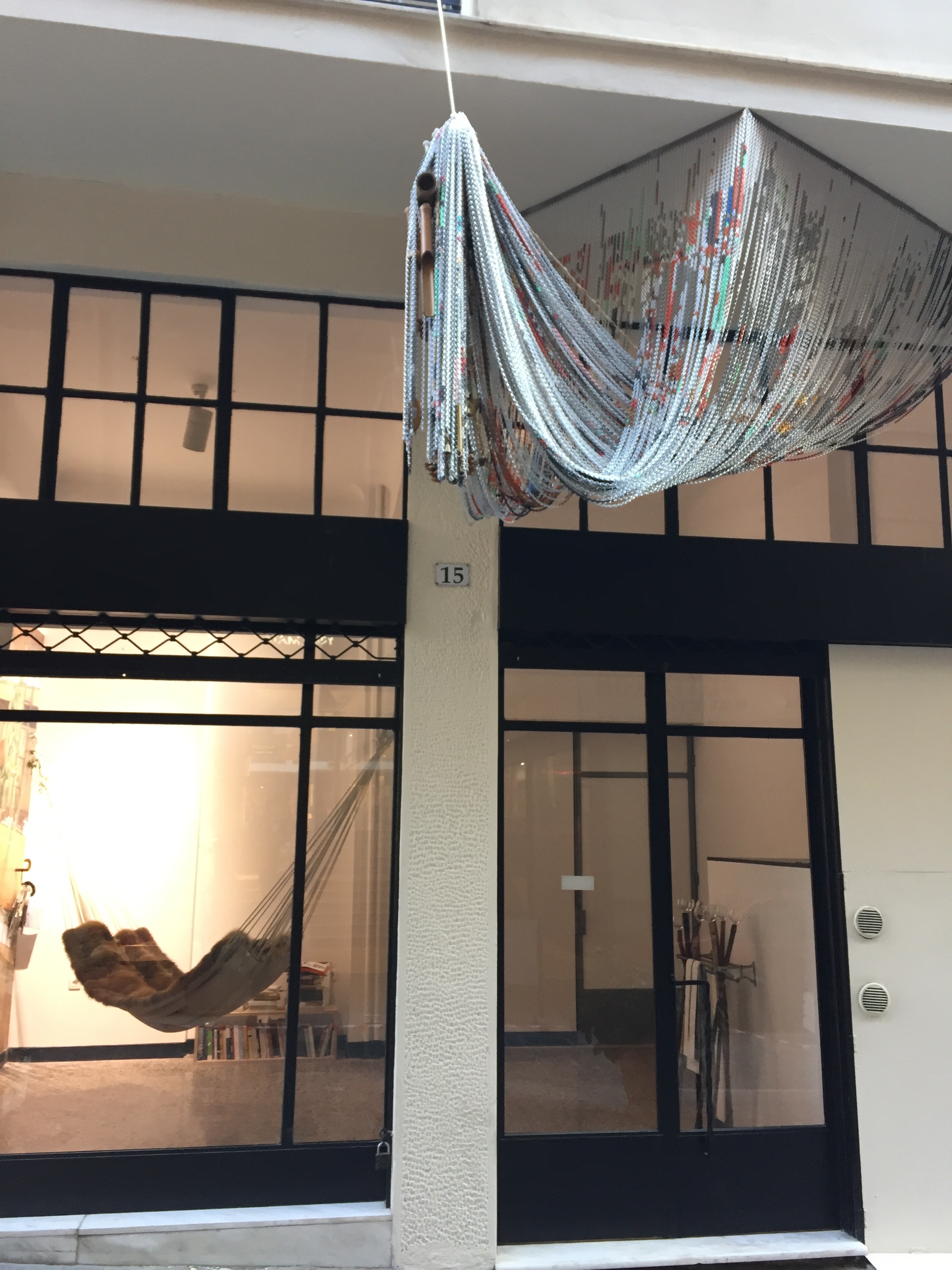
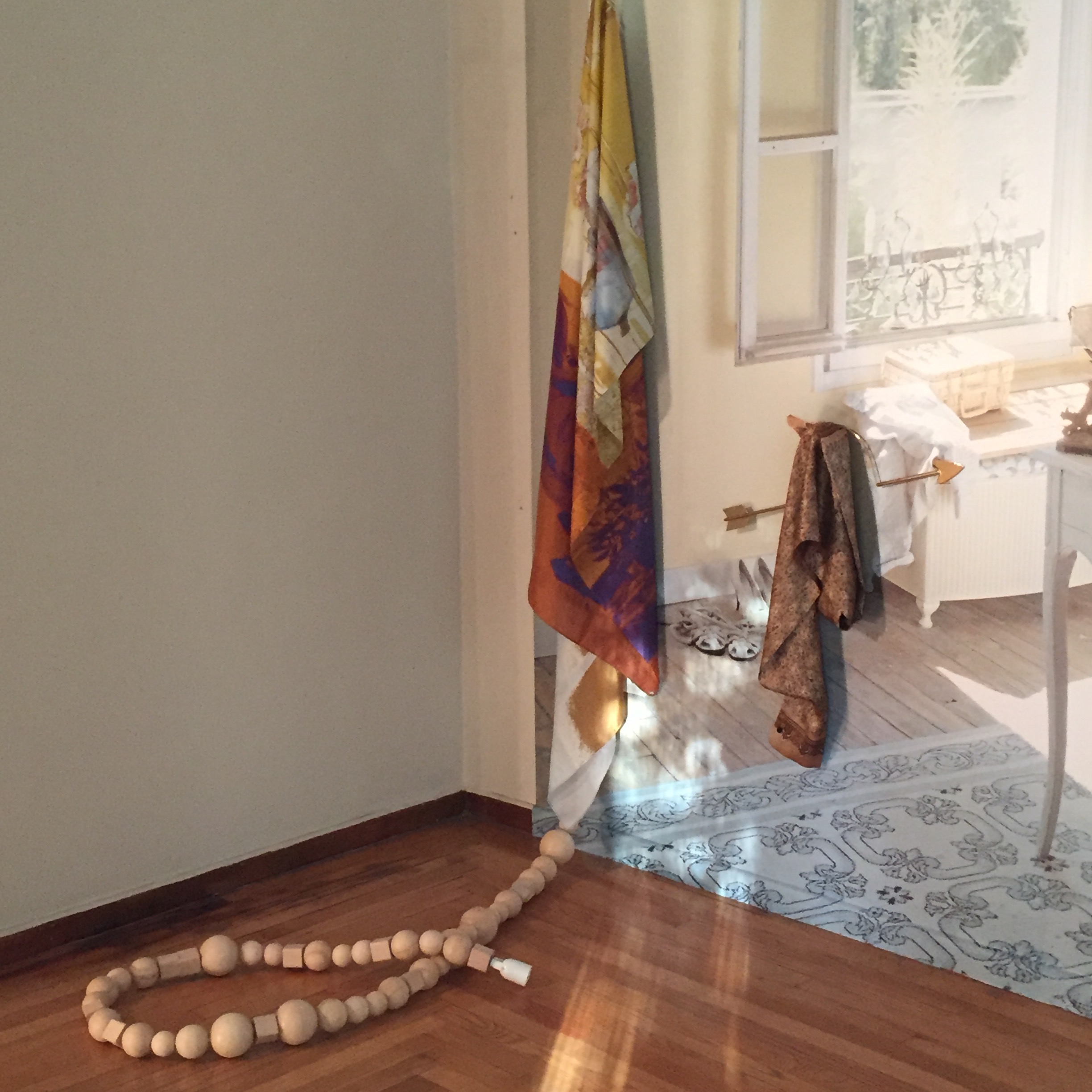
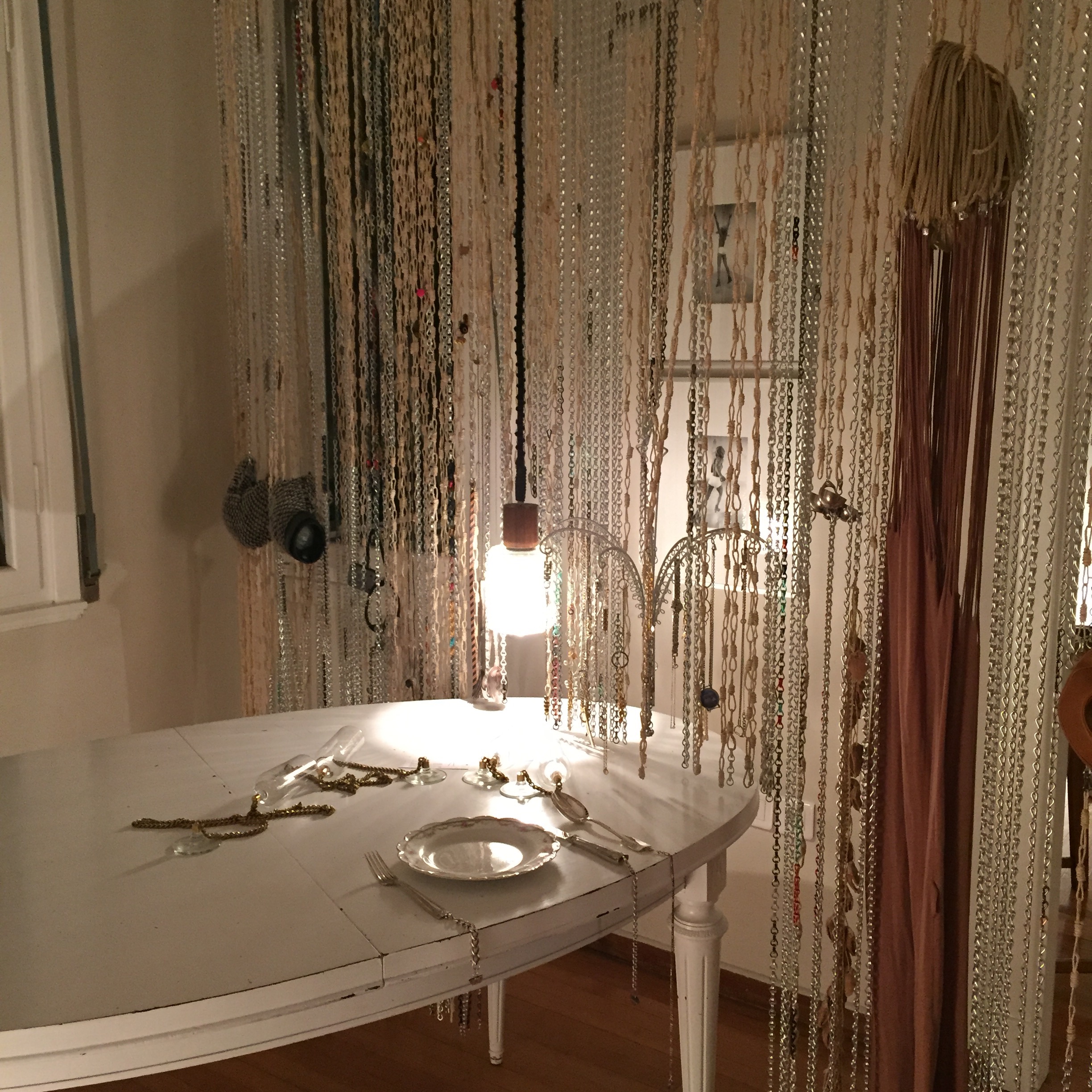
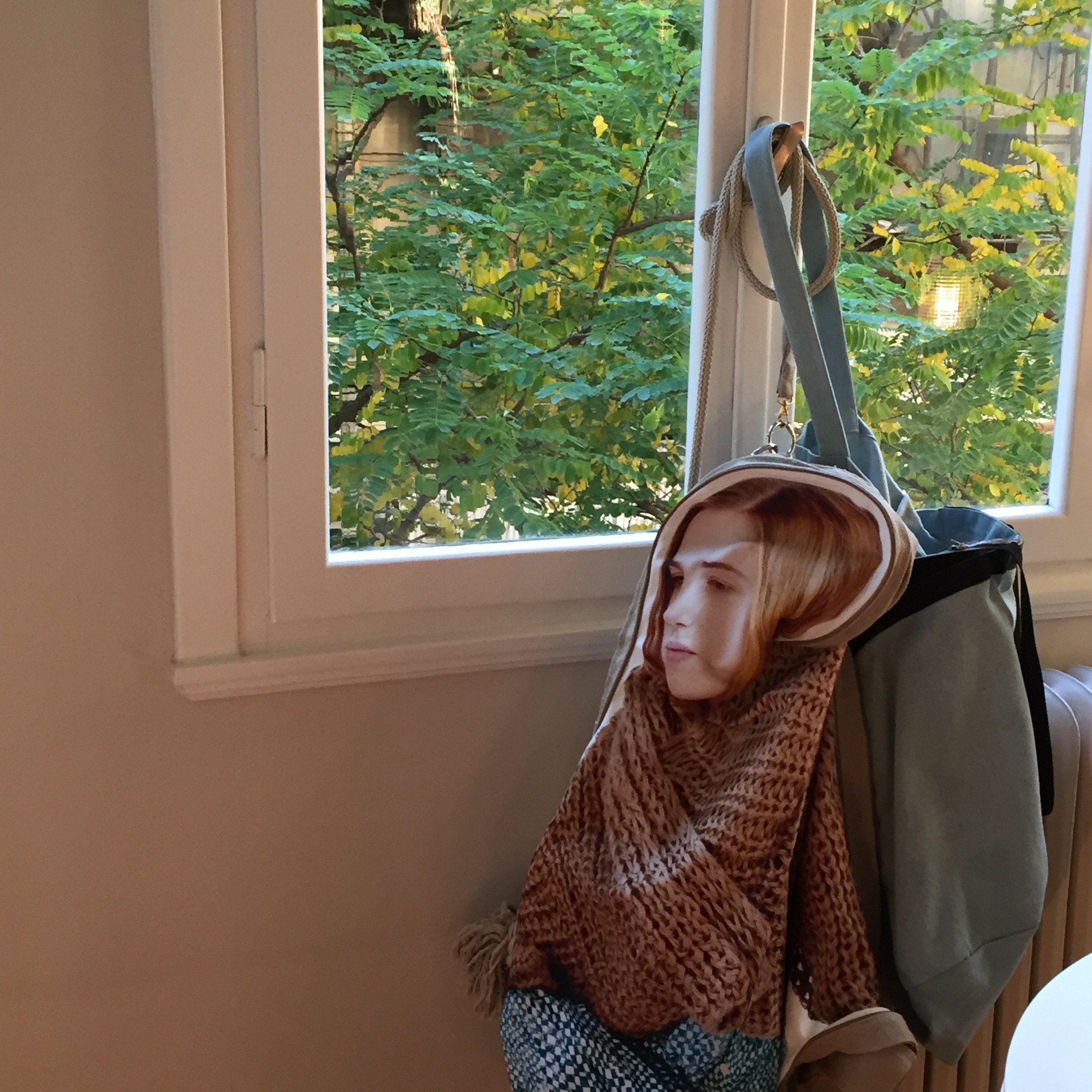
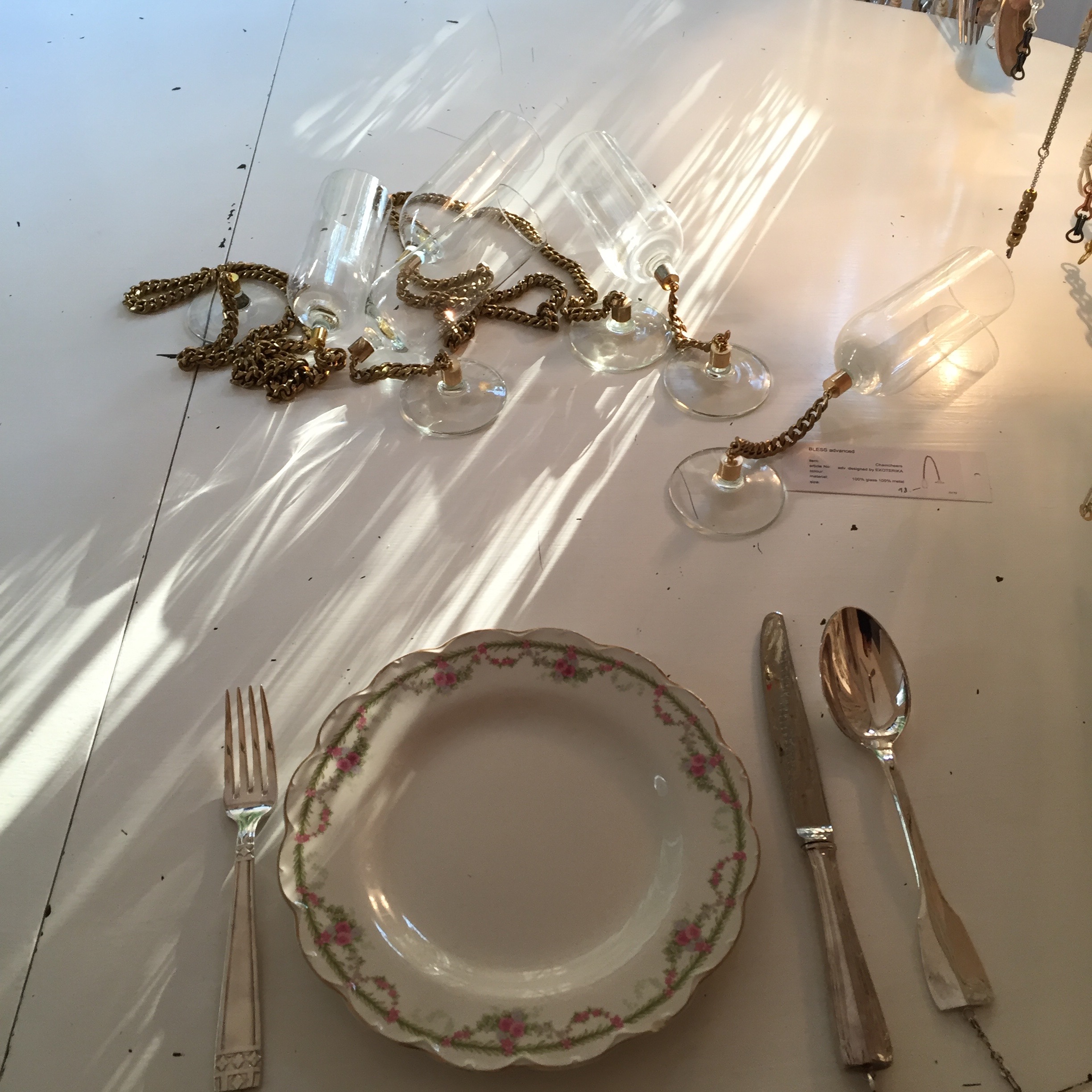
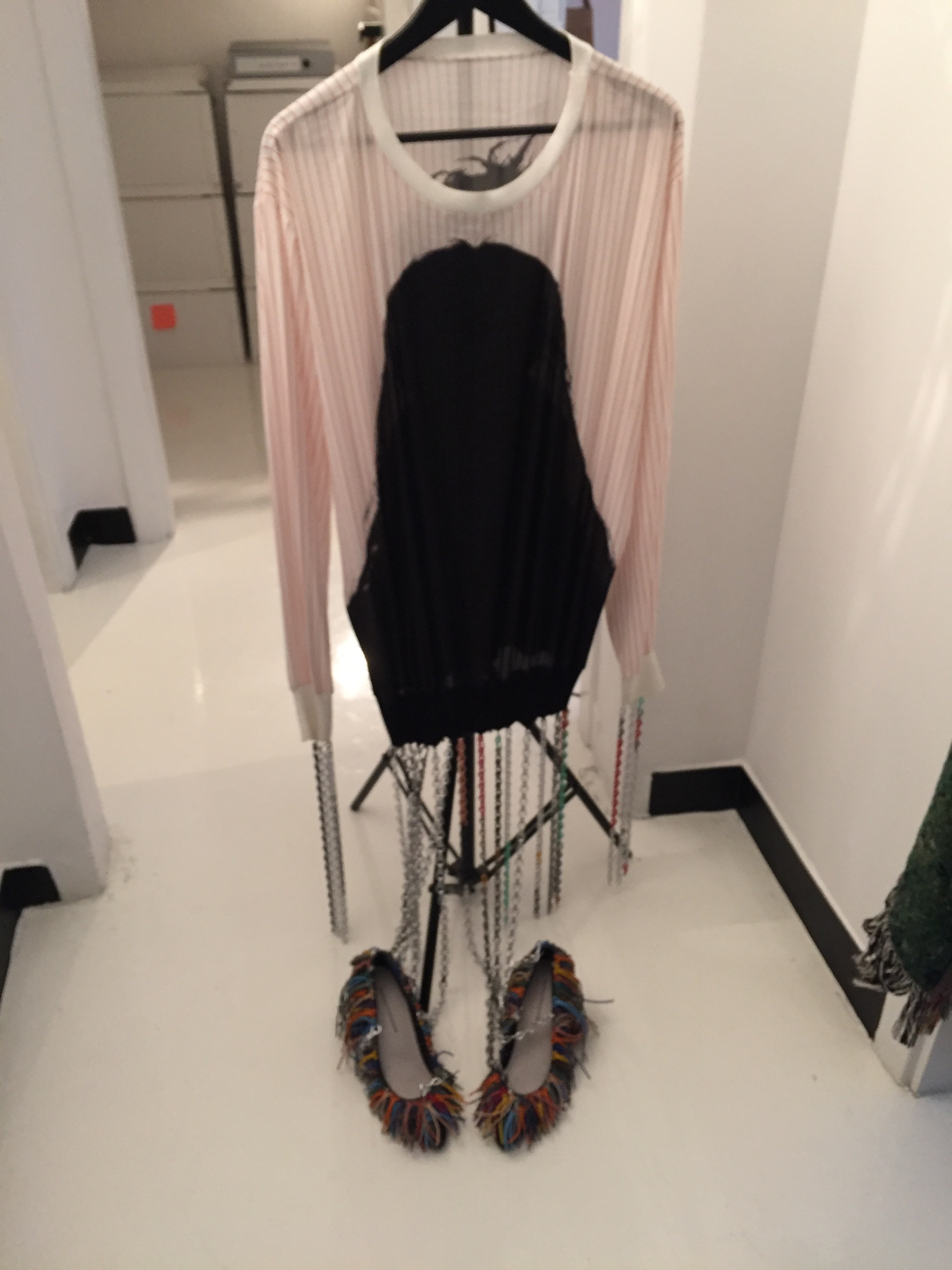
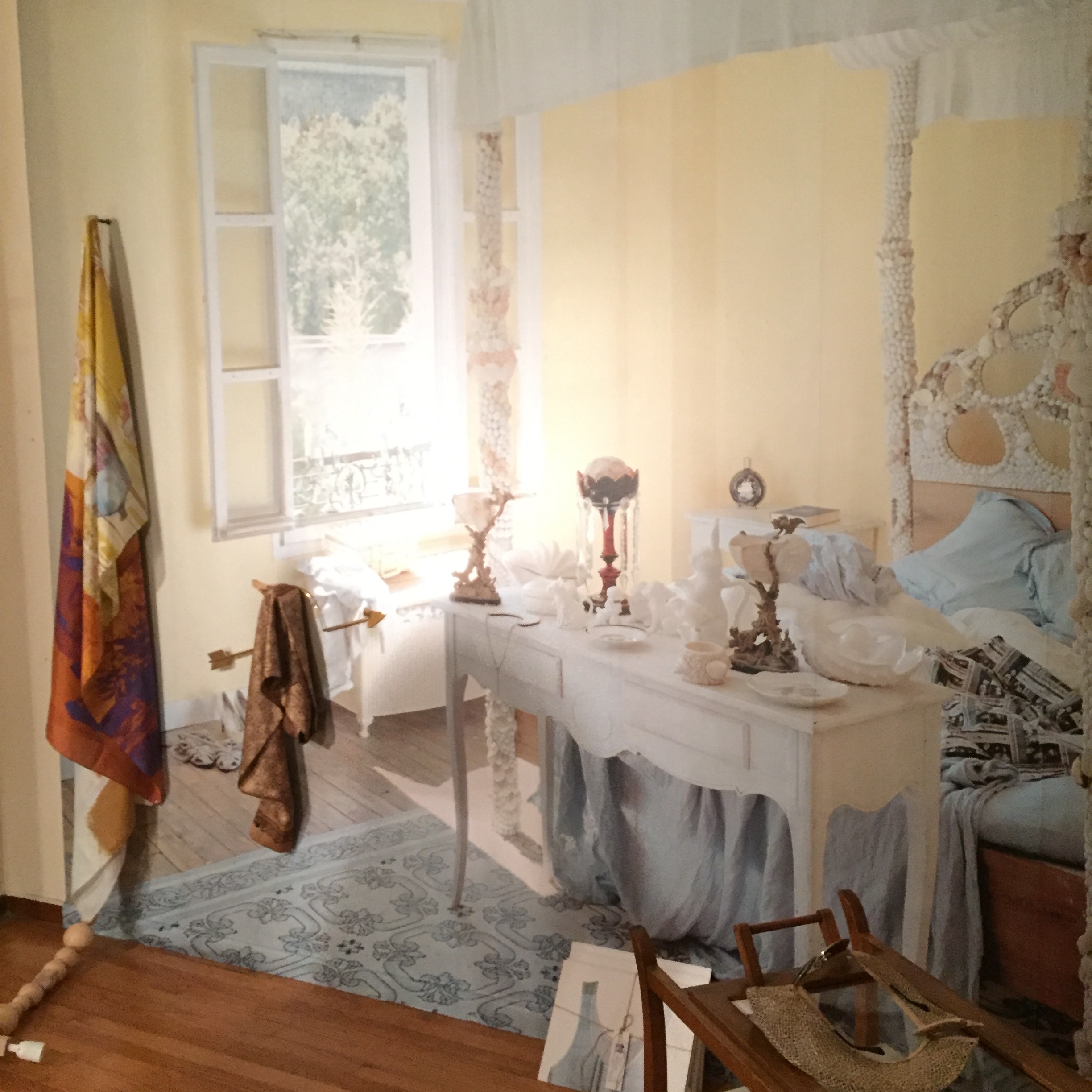
A short visit in Athens few days ago, caught me by surprise of the amazing installation by BLESS at Radio Athenes, where its  dynamic founder Helena Papadopoulos full force completed an amazing installation on the ground floor of the space and continue ‘aggressively’ but yet so beautifully on first floor at her  living space; indeed, an installation with no limits!

The Paris and Berlin based duo BLESS (Désirée Heiss and Ines Kaag) refuse to capitalize on any one milieu, and instead explore the differences between, and the mixing of, the systems of art, fashion, and design. They glide over the conventions of production, distribution and display to create things (to wear, to use, to look at, to smile at) for now and forever. Their collections are titled to reflect a current mood that may ostensibly last for many seasons to come, questioning consumerist behavioral patterns and proposing instead a ‘Present Perfect Continuous’.

IMG_8562

They came  to Athens to inhabit the Radio Athènes headquarters at 15 Petraki Street and the  private apartment on the first floor of the same building.  They transformed these interior spaces into a BLESSHome and  presented their ideal and artistic values to the greek public for the first time.

IMG_8581

IMG_8542

What they do is not so easily summed up. “Many of our clothes are not spectacular catwalk items, but aim to be all time favorites for everyday life,” says BLESS. The collections they create (which is classified by a number rather than a season) feature reinvented garments like the N°10 pleatskirtscarf, a combination of a pleated skirt and scarf. Their projects remain somewhat simple, inspired by the ins and outs of daily life. (somethingabloutMagazine)

IMG_8580

The work of BLESS has been exhibited internationally including the 1st Berlin Biennial, the Musée d’Art Moderne de la Ville de Paris, the Centre Pompidou, Paris, Manifesta 4, the Palais de Tokyo, Paris, the Moderna Museet, Stockholm, the Stedelijk Museum Bureau, Amsterdam, the Goethe-Institut, Tokyo, the Museum Boijmans Van Beuningen, Rotterdam and the Istanbul Design Biennial.

IMG_8578

IMG_8570

IMG_8558

IMG_8583
IMG_8590IMG_8589IMG_8561

Is BLESS more successful in Berlin or Paris? Where do you more commonly see your garments worn?

Neither nor. BLESS supporters are spread all over the world. In Berlin or Paris, (there) is a concentration of friends and family. The ambitious aim in the beginning was that we wanted to feel like ‘Europeans’ are still relevant; we still don’t care if we get labeled in articles as French or German designers. With time it became more important to concentrate the energy we need for production more in a local context, but the outcome of our work is really without destination. With our perspective as a niche-designer, we appreciate that modern media spreads the information round the globe and connects us with like-minded people from far destinations.(Interview at somethingablout Magazine) 

IMG_8541

all photos@VK by permission
Radio Athènes institute for the advancement of contemporary visual culture is a non profit organization  in Athens. Radio Athènes was conceived and founded by Helena Papadopoulos in December 2014 with founding member Andreas Melas. The centre of operations that doubles as a bookstore is on 15 Petraki Street in Athens, Greece, zip code 10563, near Mitropoleos Square. The nearest metro stops are Syntagma and Monastiraki.

Munich; Thomas Struth at Galerie Rüdiger Schöttle

12.11.2015 – 30.01.2016

Last week, a quite impressive exhibition opened by Thomas Struth at Rüdiger Schöttle gallery, with new cycle of work.

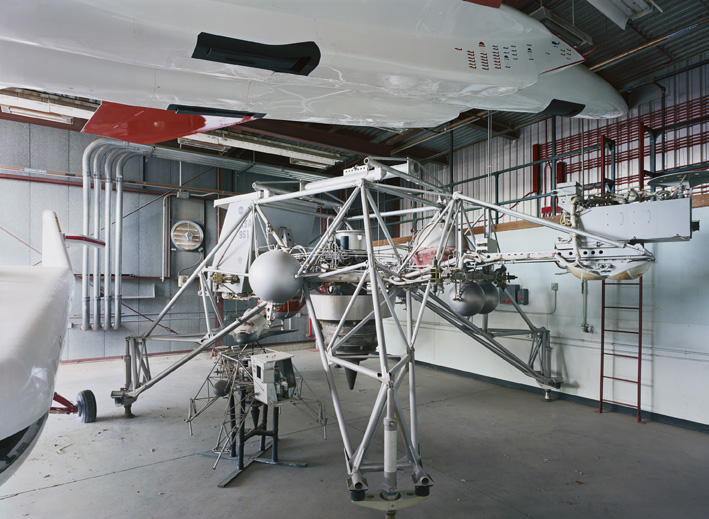
The work “Research Vehicle, Armstrong Flight Research Center, Edwards, 2014” shows a simulator that the Apollo astronauts used from 1964 onwards to practice the moon landing.

On his trip  to South Korea in 2007, Thomas Struth photographed tankers under repair in one of the world’s largest shipyards and a semi-submersible drilling rig.  Since this trip, industrial innovation and scientific achievements have been the center of the artist’s attention.

Struth - Research Vehicle_72dpi
Thomas Struth
Research Vehicle, Armstrong Flight Research Center, Edwards 2014
Inkjet print, 145,8 x 196,7 cm
© Thomas Struth, courtesy Galerie Rüdiger Schöttle

Struth said: It is clear that the contemporary human imagination is more easily fired by the pyrotechnics of science and technology rather than by the difficult, and perhaps now historically discredited, negotiation of political ideals. I wanted to open the doors to some of these unseen places in order to scrutinize what our contemporary world–what we–create, depicting plasmaphysics and chemistry, ship- and oil rig-building, space shuttle repair, architecture, etc., as what our minds have materialized and transformed into sculpture.”

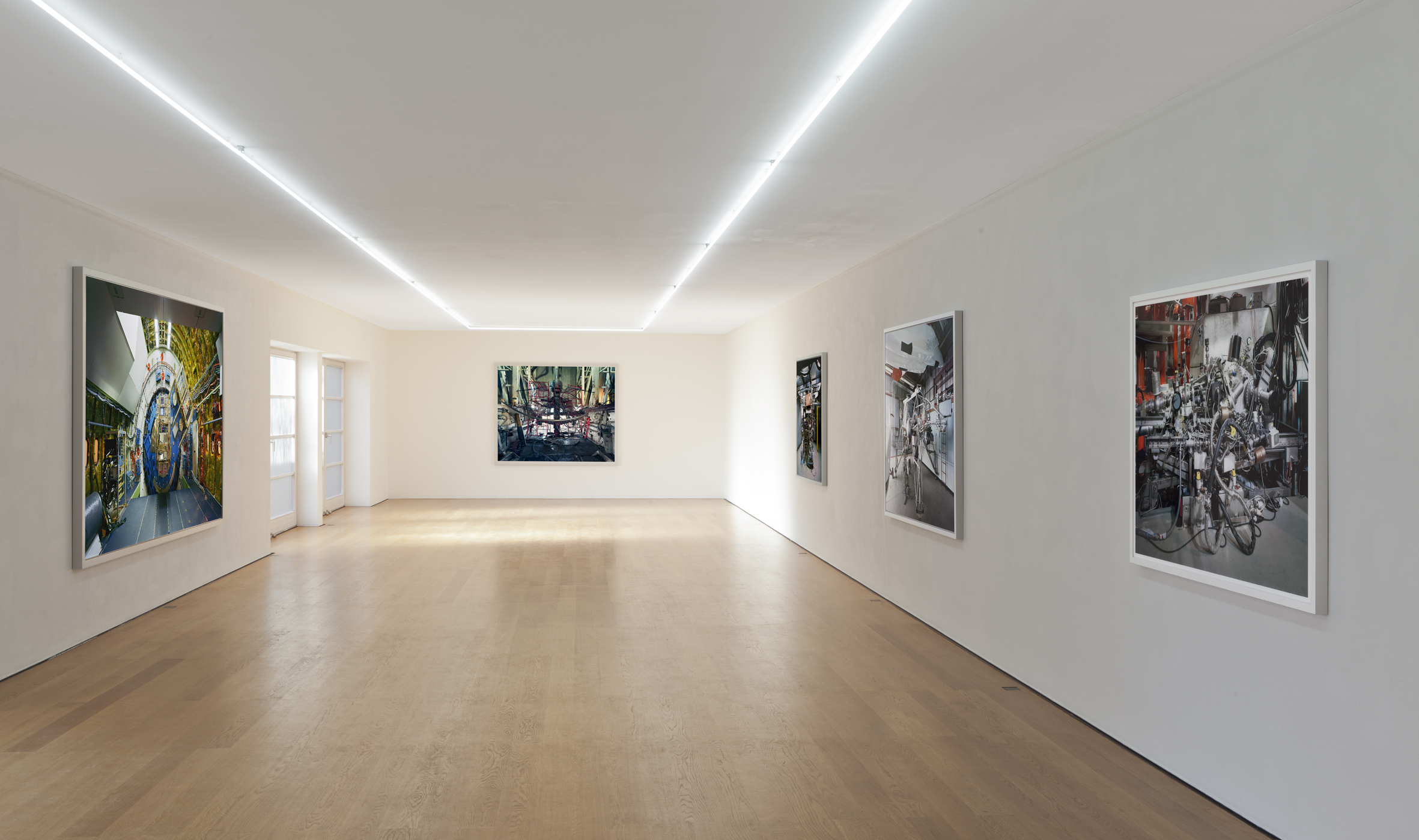
While you walk the 2 floors of the gallery,  visitors view the inner workings of these facilities, their machines and contraptions, and the frequently inaccessible spaces of scientific research, as the artist places his focus on medical institutions and test laboratories with their instruments and equipment.(gallery press) 

The large format images are mesmerizing. They convey the fascination we have for instruments that embody scientific and material innovation but distract us from the calls for social and political progress.

71 Kopie

Installation view of the exhibition by Thomas Struth at Galerie Rüdiger Schöttle, Munich, photo: Wilfried Petzi
Struth_11431_Z-Pinch Plasma Lab_72dpi
Thomas Struth
Z-Pinch Plasma Lab, Weizmann Institute, Rehovot 2011
Inkjet print, 131,8 x 158 cm
© Thomas Struth, courtesy Galerie Rüdiger Schöttle

Without any human presence as witness and indication of space and time, a categorization of the content in terms of past, present and future is not instantly possible. (gallery press)

“….My interest, or hope, or intent is to address something which has a larger scale, a larger value, than the specific details or locations shown. The photographs must ultimately be driven by interests on a more general level.” (Thomas Struth, retrieved from This Place) 

Quotes taken from Thomas Struth in conversation with Charlotte Cotton, 2014. This Place. Retrieved from This place

Zurich; Daniel Gustav Cramer ‘Sixteen Works’ at Bolte Lang gallery

24th of October – 28th of November 2015

A beautiful outing in Zurich last weekend, to enjoy the exhibition by Daniel Gustav Cramer at Bolte Lang gallery. I am a truly admirer of the poetics of Gustav Kramer’s work since 2012 (dOCUMENTA(13), curated by Carolyn Christov-Bakargiev, Kassel, Germany.

Daniel Gustav Cramer’s exhibition is in its essence a portrait of a landscape, of a man on a road, lost in his thoughts; it’s a portrait of the experience of a single moment. If you take this image as a starting point, the exhibition unfolds and reveals the different faces a journey can have. There is for one the strange sense of time, which feels rather in points of time, personified, present, than a continuous flow – every curve offers a new encounter of it. (gallery press)

IMG_8237

IMG_8238

                                                                                  installation view of the  exhibition,  photos@VK

Daniel Gustav Cramer’s works are the amalgam of an ongoing research, like a traveler’s journal that describe the human conditions they draw its images from a collective experience and our commonly shared memories. Our urge to explore, to collect and to archive, to eventually connect our journey to a relevant memory is something Cramer is trying to capture through a variety of formal and linguistic strategies, through live experiences and the appropriation of existing memories. (gallery press) 

IMG_8239

IMG_8251
                                                         during evening opening, Chaja Lang (left), Martina Tauber (right), photos@VK

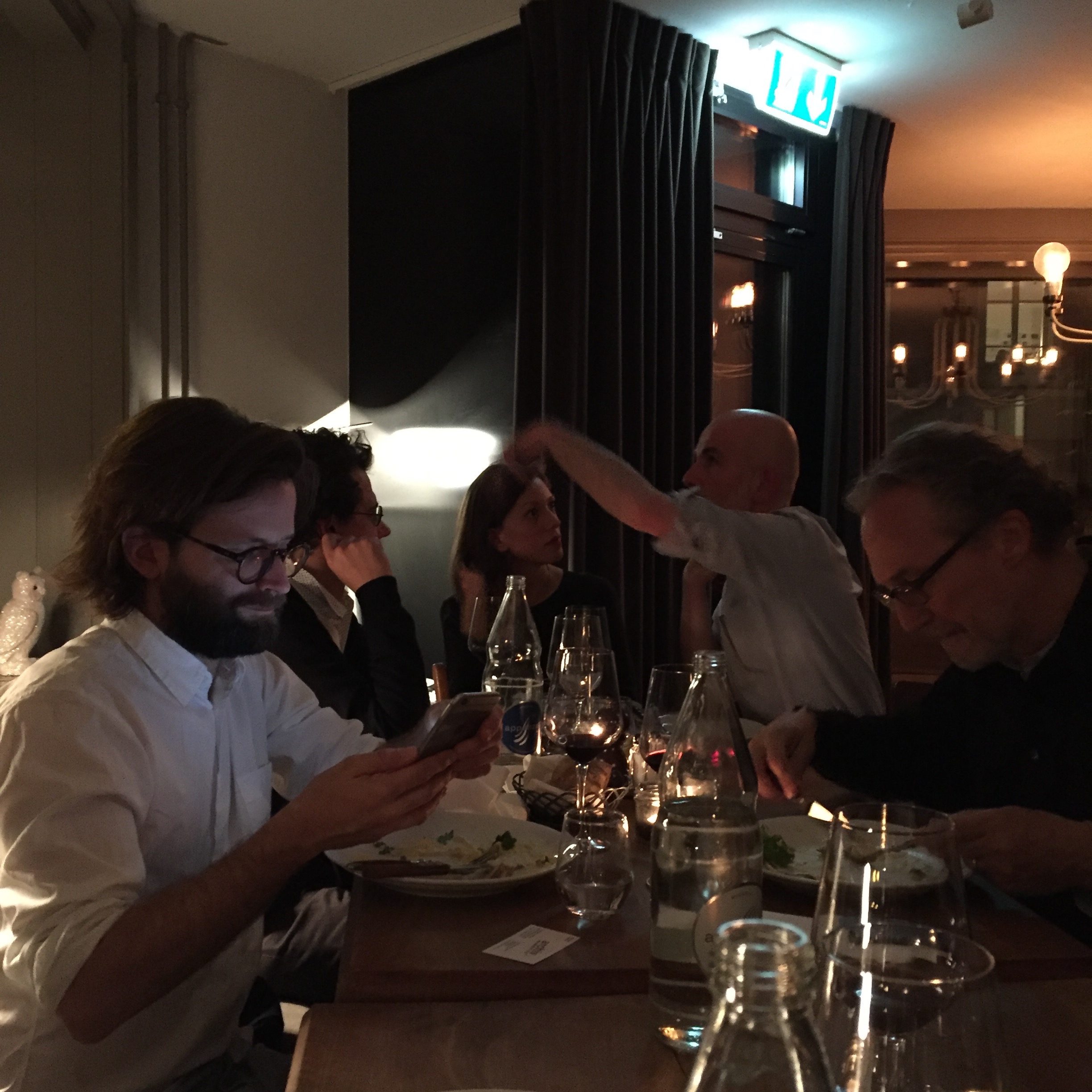
A beautiful dinner followed at the  lovely near by restaurant, Zumfink, on Josefstrasse in the buzzing Kreis 5 quarter.   A lovely evening, warm atmosphere.  Than you beautiful ladies,  Chaja Land and Anna Bolte.

IMG_8255
lovely Anna Bolte at Greulich dinner, photo@VK

IMG_8256

Daniel Gustav Kramer (left), photo@VK

img_4945

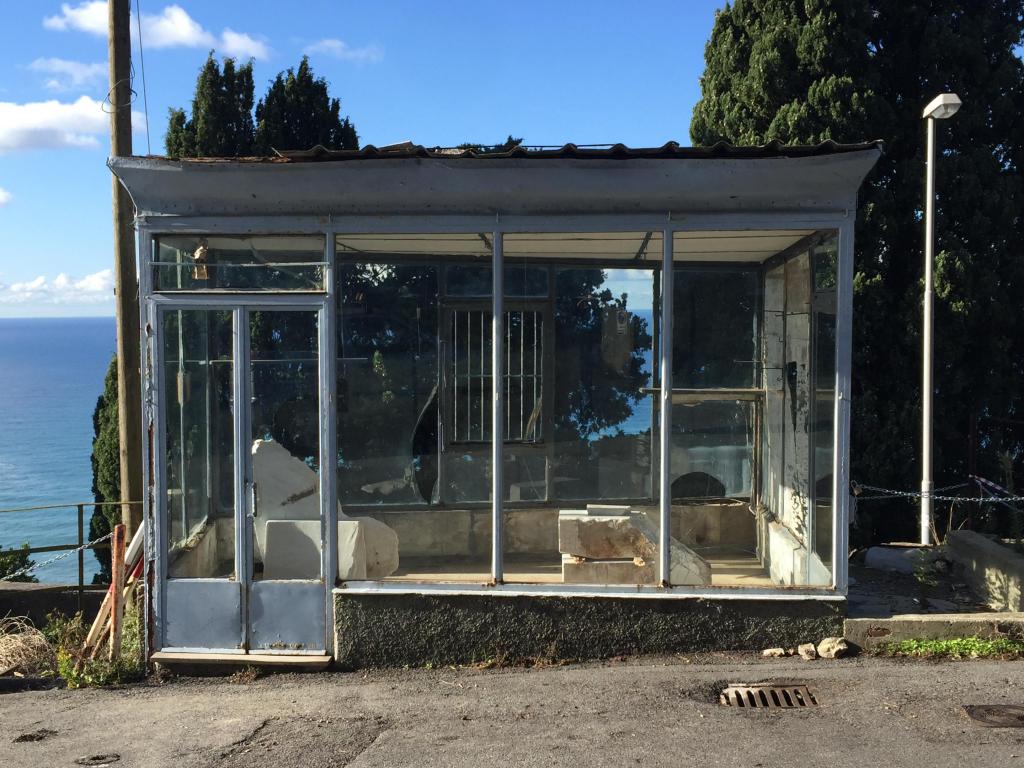
                                                       Installation view Sant’Ilario Pavilion at THEVIEW Studio, October 2015, photo@BolteLang gallery

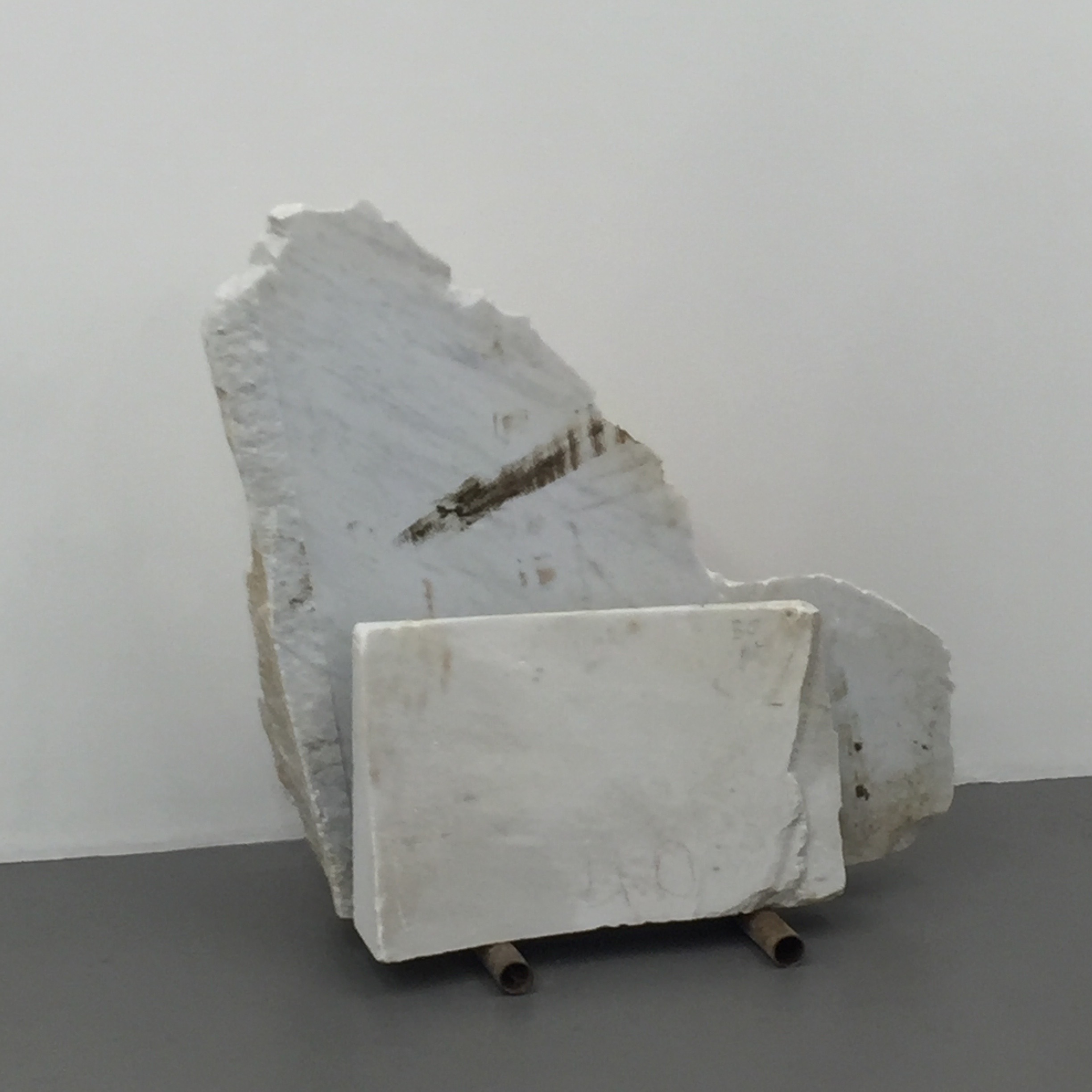
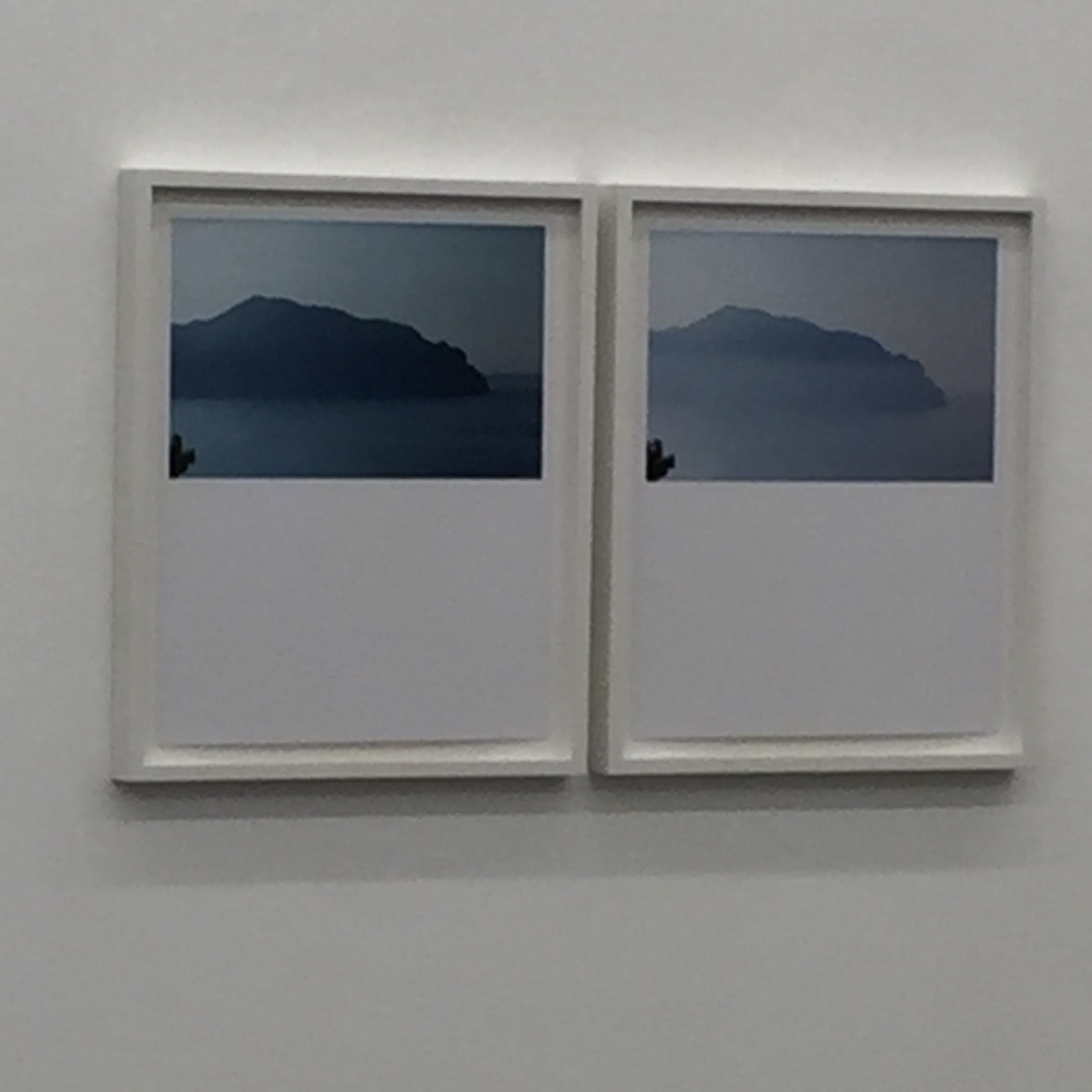
(1) Unpolished and rough, displaced and on display, the pieces have been inhabiting as a temporary storage the small architecture of the “Sant’Ilario Pavilion” (2015), an exhibition project by THEVIEW Studio conceived and directed by Vittorio Dapelo, curated by Francesco Garutti and set along the ligurian Riviera. www.theviewstudio.com

Zurich; ‘Alice Neel’ at Thomas Ammann Fine Arts AG

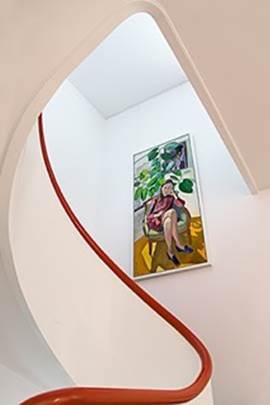
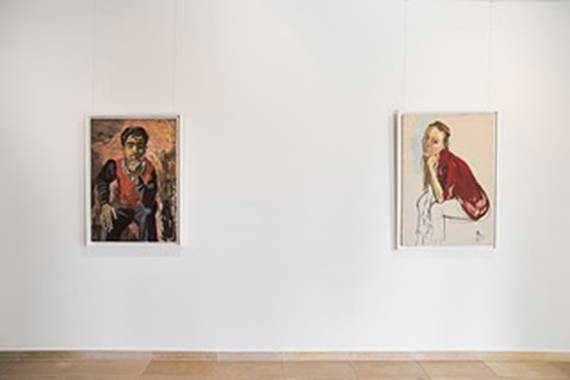
A short trip to Zurich last Friday afternoon visiting Thomas Ammann Fine Arts AG, for an extraordinary exhibition ‘Alice Neel’( b. 1900 – d. 1984)  at the beautiful villa on the hills of Zurich.   Thomas Amman Fine Arts in collaboration with the Estate of Alice Neel has selected and exhibits fourteen paintings which cover all periods of the artist’s career,  significant and representative of her time.  This is the first Alice Neel exhibition in Switzerland.

neel_installation8..

Alice Neel was born 1900 in Philadelphia and was trained at the Philadelphia School of Design for Women. Partly influenced by the thoughts of Robert Henri – a former teacher at her school – who had written them in his book The Art Spirit, Neel set about painting scenes from life, and “told the truth the best I was able.” After the end of her marriage with the Cuban painter Carlos Enríquez, Neel became a single mother keeping herself and her children above water with grants by the government-sponsored WPA. Early on Neel had left-wing beliefs and also a strong social consciousness, which had a bearing on her idiosyncratic choice of sitters. In each of her neighborhoods, Greenwich Village, Spanish Harlem and Upper West Side, she painted neighbors, family members, casual acquaintances, and interesting people she came across. She was an independent spirit who did not paint on commission, and paid no attention to the fashions of art, as she was devoted to realist depiction in an era of increasing abstraction…(Thomas Amman Fine Arts press)

image002

Neel4

photos @ Janosch Vögeli,  Thomas Amman Fine Arts, AG

“….While Neel often felt ambivalence towards post-war abstraction, on some occasions condemning it, and at other times acknowledging its prescient value, she was in essence psychologically motivated and sought to interact directly with the emotional dynamics of portraiture. That she is intensely aware of the dichotomous tensions in post-war American painting is acknowledged in the portrait of Georgie Arce. The painting may be seen as emblematic of her crucial period of transition since in the post-war decade she had survived with her two children largely on public assistance along with few sales.” ( from the essay by Mark Gasbourne on the published illustrated catalog for the exhibition) 

It was a beautiful experience to see this extraordinary exhibition, and a treat to have a tour of Alice Neel’s work by  Han Byul Jung, the art historian in-house at Thomas Ammann Fine Arts.   The gallery/villa holds a unique setting in Zurich hills (Amman villa was built in 1930 by the Swiss architect Otto Rudolf Salvisberg).

IMG_8225 (2)

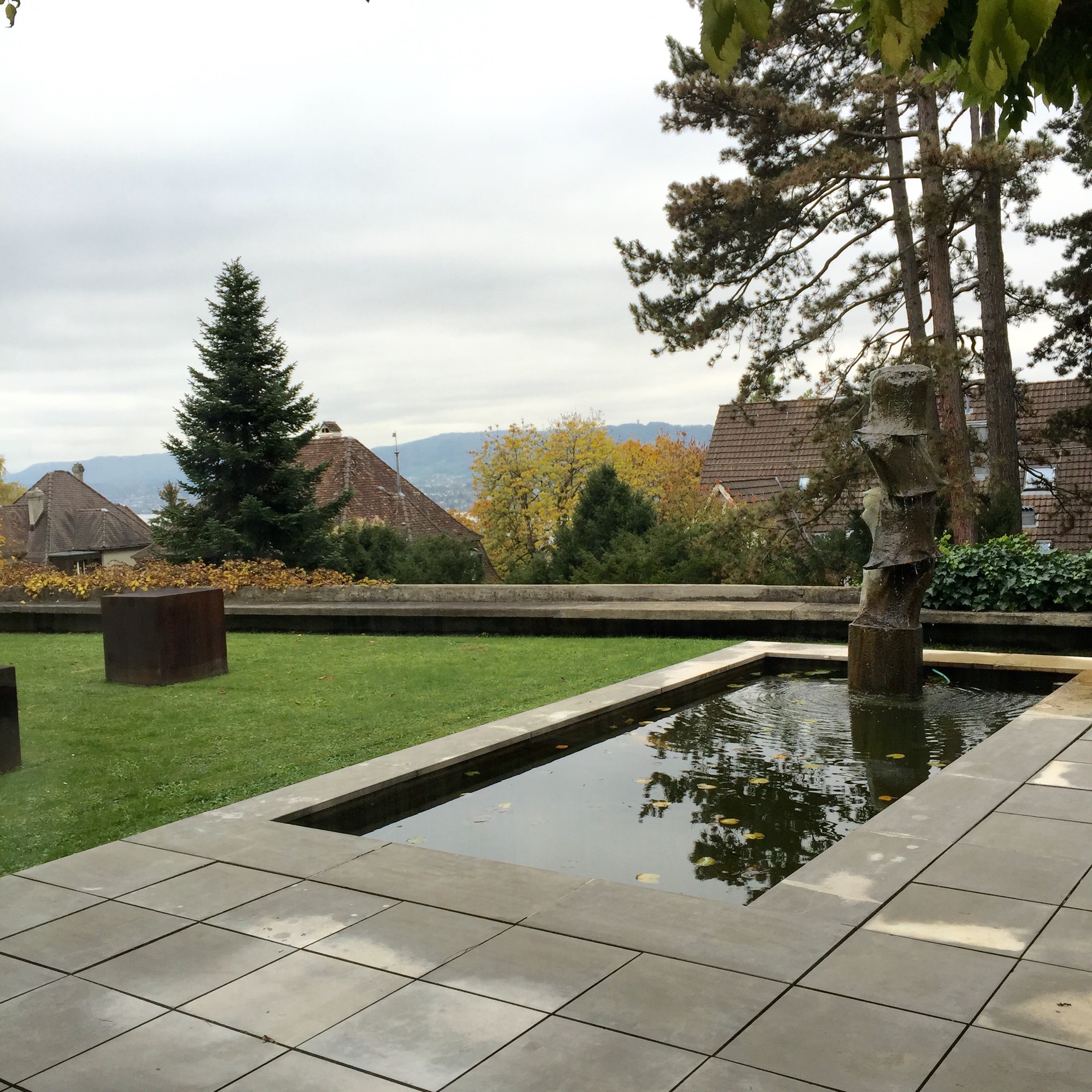
 garden view,  villa Thomas Ammann Fine Arts,  sculpture by Cy Twombly, photo@VK

view of the exhibition from the north room, photo @VK

 …although her work was highly regarded in bohemian New York, success came late.  Her solo exhibition at the Whitney Museum of American Art, New York, 1974, The Georgia Museum of Art in Athens, Georgia, 1975, and her inclusion in the groundbreaking exhibition Women Artists: 1550-1950 at the Brooklyn Museum, Brooklyn, 1977, marked a breakthrough. In Europe, her paintings and drawings were-until recently-little known. … (Doris Ammann & Georg Frei, published catalog, 2015) 

IMG_8220

Alice Neel in New York City at David Zwirner gallery, May 2012

IMG_8389

a beautifully illustrated catalog, 2015,  is published by Thomas Amman Fine Art,  with an essay by Mark Gisbourne.

‘...The rupture following the US involvement in the Second World War created a cultural elision in American art and was to totally change the perception of painting and particularly traditional genres such as painted portraiture. Against the background of Clement Greenberg’s ‘high modernism,’ the portrait of many became seen as a quaint and unfashionable entity. Painting evolved into questions about the processes of abstraction and surface autonomy, or compositional systems of material construction, thereby diminishing the portrait along with other genres that dealt primarily with the individuated subject matter.” (from Mark Gisbourne’s essay) 

See gallery exhibition installation views at Thomas Ammann Fine Arts, AG  and for more information, see on Alice Neel special site. There are some amazing articles by wonderful writers that you may read here, please note a wonderful “Painted Truths: Showing the Barbarity of Life: Alice Neel’s Grotesque” by Jeremy Lewison 


Munich; Ted Muelhing, and ‘Tortoise’ at Porzellan Manufactur Numphenburg

A beautiful evening last Thursday at the Porzellan Manufaktur Numphenburg invited by  my lovely friend Daniel Wingate,  to enjoy the new creations ‘Tortoise’ of the award winning designer Ted Muehling.

IMG_8185

IMG_8187 2

photo@VK

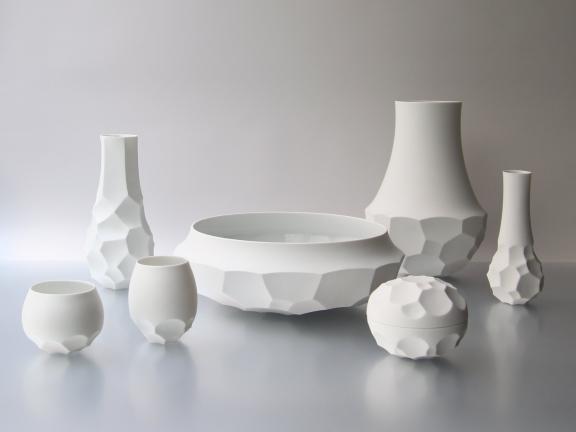
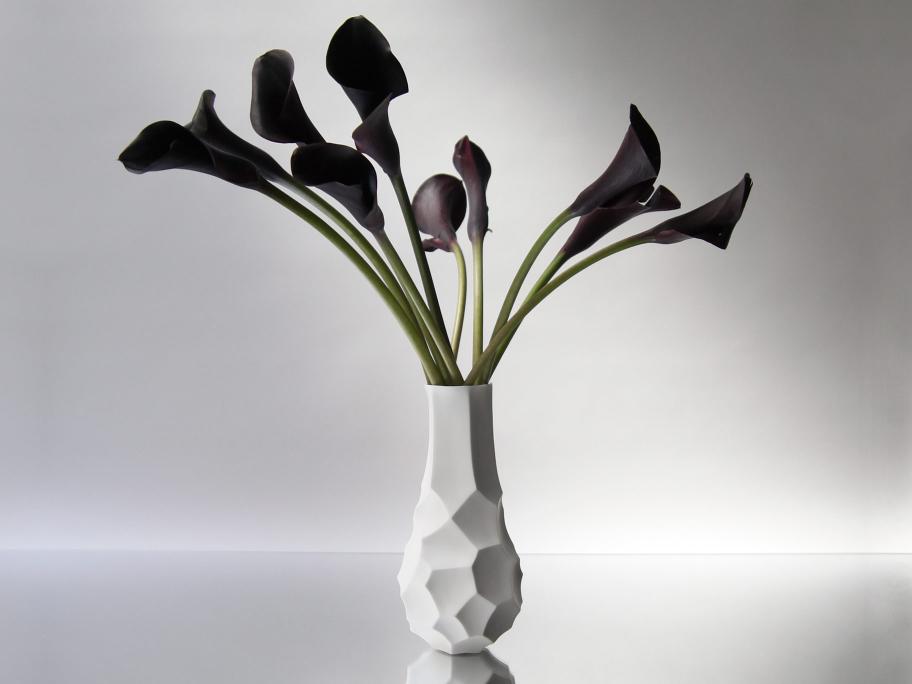
With ‘Tortoise’ the New York artist has returned to the workshop of the Porzellan Manufaktur Nymphenburg a good decade after his successful start in 1999. As with his earlier designs the artistic demands stand in the foreground: Muehling reduces, abstracts and translates the natural form of the faceted armour to the matt white porcelain. In this way, the renowned once again successfully captures the play on light and shadow in the unique transparency of the Numphenburg porcelain, which is hand-crafted step by step.  (Porzellan Manufaktur Nymphenburg press) 

IMG_8196

photo@VK

‘Tortoises are survivors from past times’, says Ted Muehling.  He has been fascinated by these majestic creatures since his childhood. So much so, that he has now devoted an entire collection to them.  ‘Tortoise’ – a series of vases of different sizes, a bowl, a bonbonniere and two different drinking vessels made of razor-thin biscuit porcelain from the master workshop of Numphenburg; matte on the outside, glazed on the inside. Together with the experts in products development, he realised the new objects for Tortoise in just one and a half years – handmade artefacts, shaped with passion, perfection and poetry. (Porzellan Manufaktur press ) 

IMG_8203Daniel Wingate (left), artistic director of Escada, and Ted Muehling at the lovely reception. @photoVK

Nymphenburg is the porcelain manufactory of the Bavarian crown. The noble art of porcelain-,making has been cultivated here in Munich since its founding in 1747.

tortoisemoodbild_gesamtekollektion

vasemood

‘Tortoise’, photo@Porzellan Manufaktur Nymphenburg


Munich: Lenbachhaus at Kunstbau:”KLEE & KANDINSKY. NEIGHBORS, FRIENDS, RIVALS”

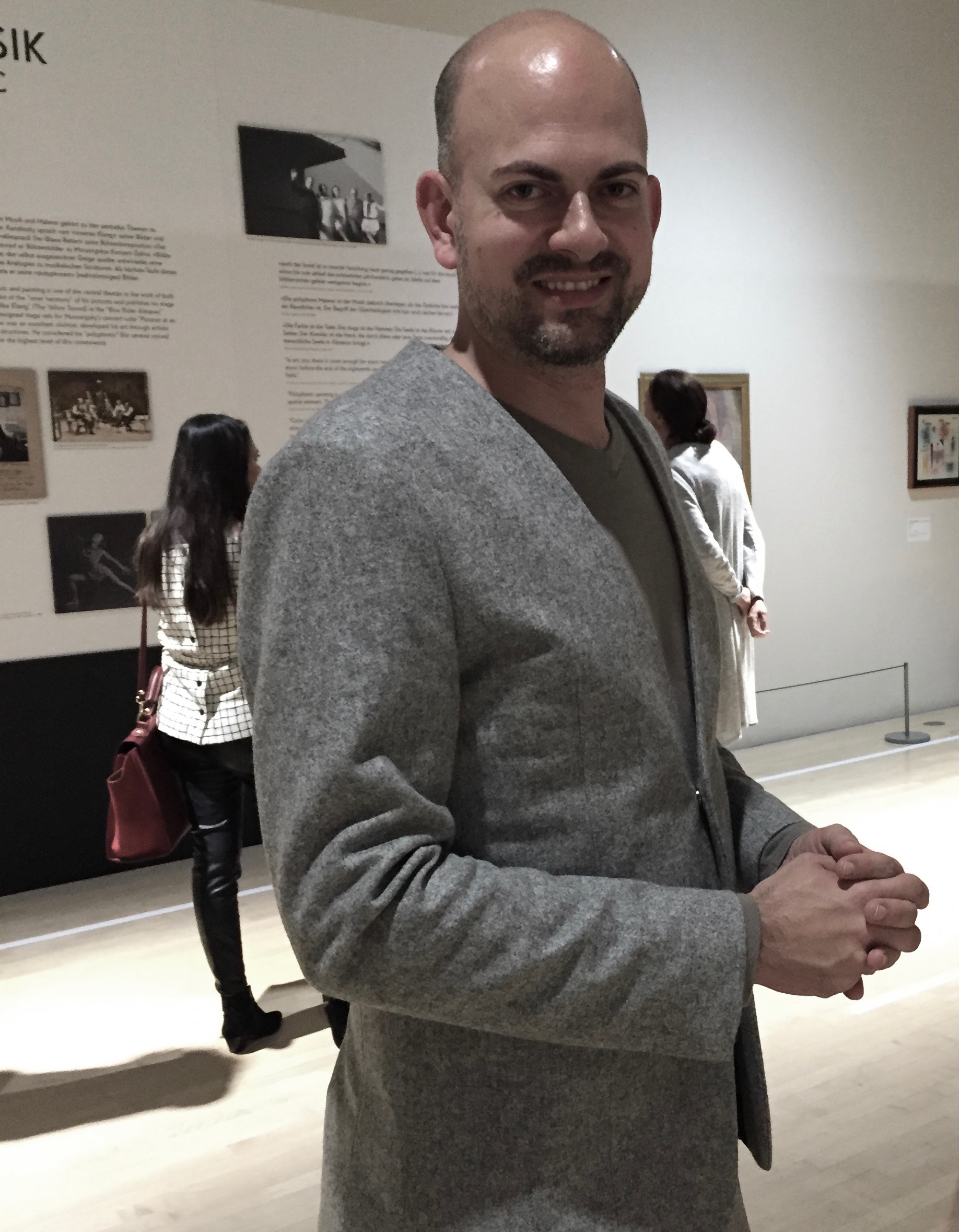
Attending Monday evening/preview opening at Kunstbau at Lenbachhaus an amazing exhibition  ‘Paul Klee and Wassily Kandinsky :Nachbarn, Freunde, Konkurrenten”

21 october 2015-24 January 2016

IMG_8141exhibition view, preview opening night @VK

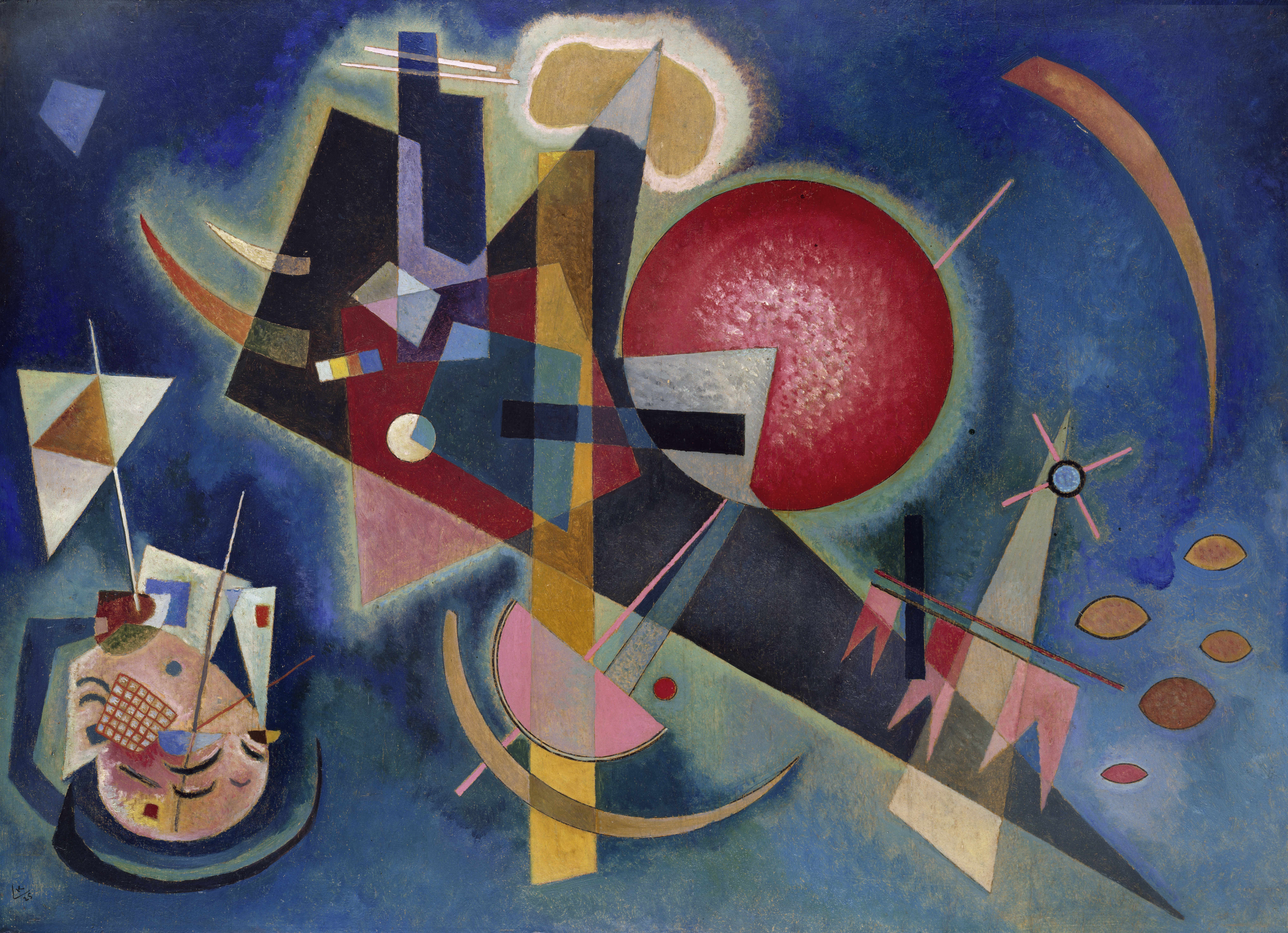
Paul Klee and Wassily Kandinsky are  two names that have come to stand almost as synonyms for classical modernism. ‘They are associated with fundamental avant-garde movements such as the “Blue Rider” and the Bauhaus, and regarded as founding fathers and pacesetters of abstract art. History also records their relationship as one of the great friendships in twentieth-century art…’ (museum press)

Kandinsky_Netre_Deux_1934_gross

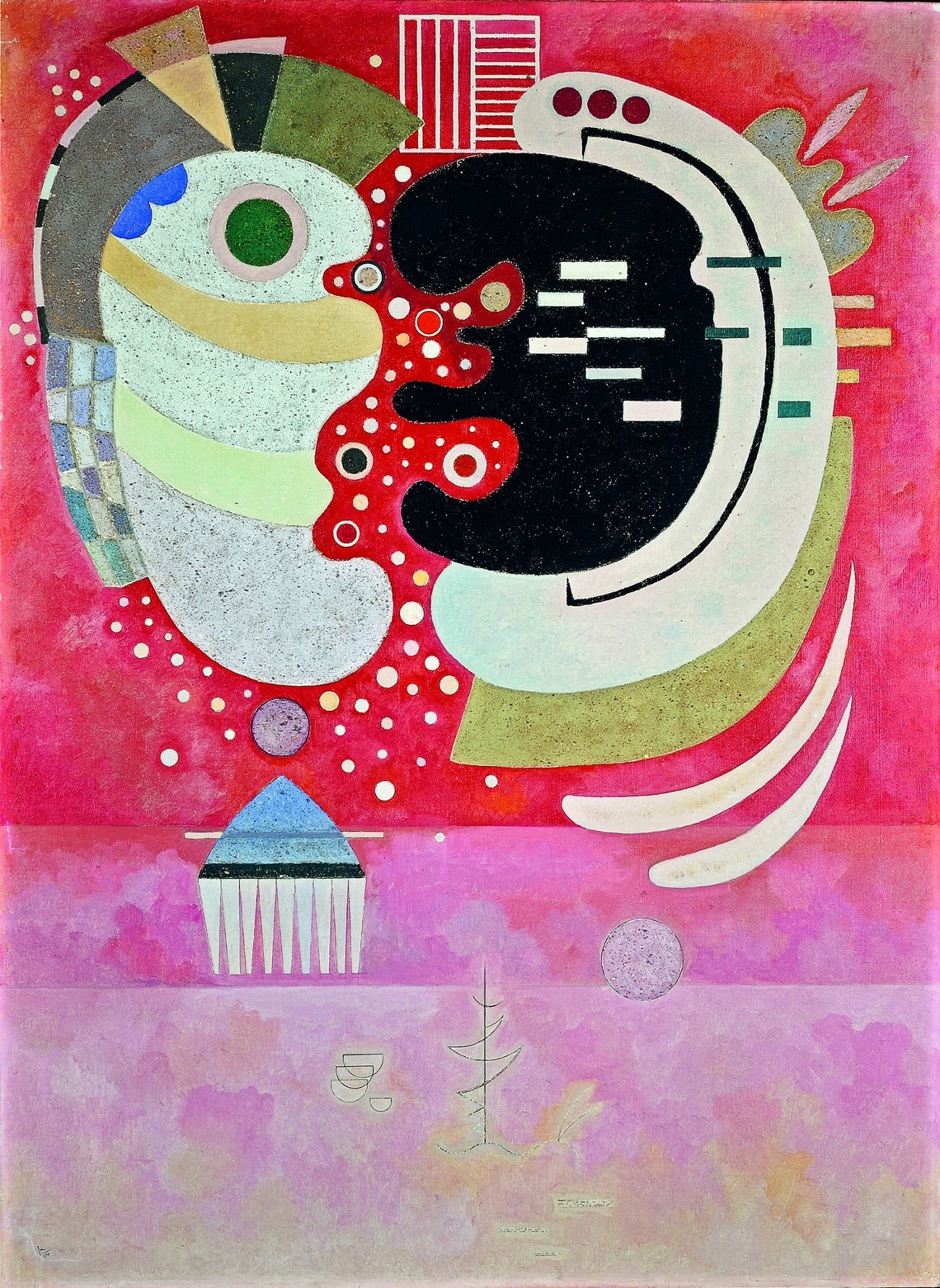
WASSILY KANDINSKY
Entre-deux / Zwischen Zweien/ In Between, 1934
Hilti Art Foundation, Schaan, Liechtenstein (published by  permission of Lenbachhaus press)

Kandinsky.Im_Blau__1925_gross

WASSILY KANDINSKY
Im Blau, 1925
Kunstsammlung Nordrhein-Westfalen Düsseldorf, erworben 1964 aus einer Spende des Westdeutschen Rundfunks
Foto: Walter Klein, Düsseldorf (published by  permission of Lenbachhaus press)

klee:lenbach:press

PAUL KLEE
Rosengarten, 1920
Städtische Galerie im Lenbachhaus und Kunstbau, München(published by permission of Lenbachhaus press)

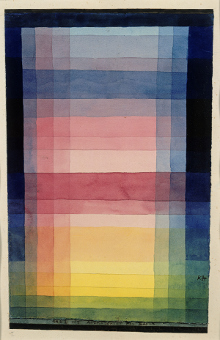
83_Klee-ArchitektdEbene1923.0113_220

PAUL KLEE
Architektur der Ebene, 1923
Staatliche Museen zu Berlin, Nationalgalerie, Museum Berggruen
© bpk/Nationalgalerie, Museum Berggruen, SMB, Berlin (published by permission of Lenbachhaus press)

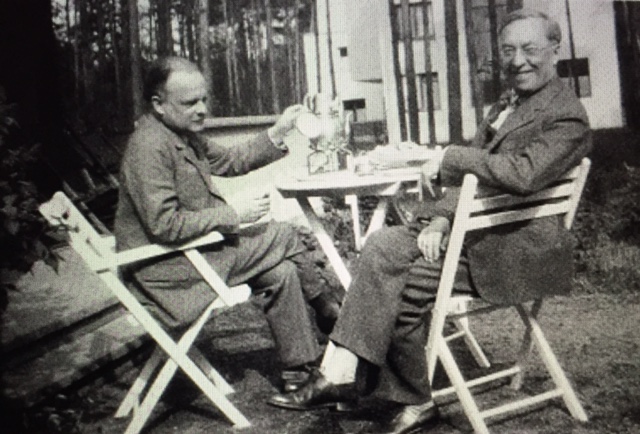
Klee and Kandinsky were indeed close, though never uncritical, friends for almost three decades.  Central to the rapport between them was a focused engagement with each other’s art sustained by many shared aspirations as well as differences on personal and artistic levels. Both artists strove to spiritualize art and explore the intrinsic laws of its visual means. Yet Klee’s ironically refracted realism was alien to Kandinsky’s idealism, and his protean individualism clashed with his friend’s pursuit of the autonomous laws of abstract art.

FullSizeRenderMatthias Muehling, Direktor Staedtische Galerie im Lenbachhaus und Kunstbau Muenchen, photo@VK
IMG_8138 (1)
Dr Petra Giloy-Hirtz (independent curator & writer) and Sir Norman Rosenthal (independent curator and historian), photo@VK
IMG_8133 (2)Martin Thierer

The exhibition is organized in cooperation with the Zentrum Paul Klee, Berne and focuses on the years between 1922 and 1931, when both artists  taught at the Bauhaus and worked in a close exchange of artistic ideas, and even lived door to door in one of the “Master Houses” designed by Walter Gropius. Yet their works from the “Blue Rider” period as well as the late oeuvres of the two artists, who died in 1940 and 1944, likewise reflect the bonds of friendship between them.

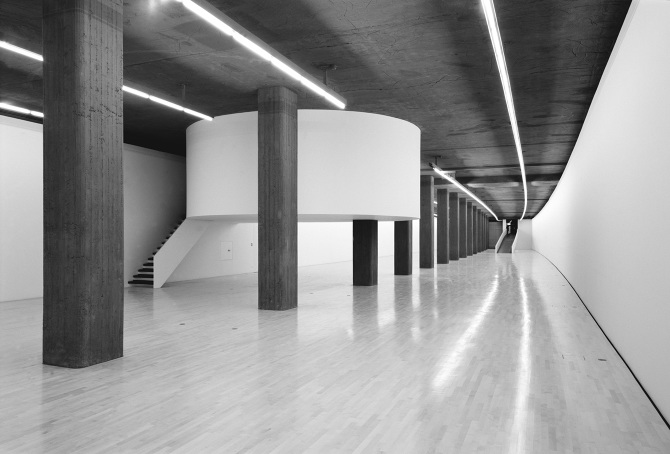
The Kunstbau was inaugurated in 1994 with an installation conceived for the space by Dan Flavin. The subterranean gallery is located in the immediate vicinity of the Lenbachhaus in an originally unused space left void for technical reasons when the Königsplatz subway station was built. The architect Uwe Kiessler modified this mezzanine level to create a sober and spacious exhibition room based on a concept that is as simple as it is compelling: he structured the slightly curved, long and narrow hall — forty-six feet wide and sixteen feet high, it is 360 feet from one end to the other — by inserting eighteen concrete columns along its long axis that divide it into two naves, matching the layout of the subway station below.

images-1

Kunstbau3-Kopie_low_670

kunstbau architecture:  (The exhibition architecture had as a main goal to highlight the distinct proportion of this space, by creating unobstructed views of the 100m long gallery. The design presents a wall system of steel which develops into 4 wall types)
FullSizeRender 2Paul Klee and Wassily Kandinsky in Dessau, ca.1927 , photo@Nina Kandinsky, Bibliothèque Kandinsky, Centre Georges Pompidou, Paris (published by permission of Lenbachhaus press)

A collaboration between the Städtische Galerie im Lenbachhaus und Kunstbau, Munich and the Zentrum Paul Klee, Bern.


London; Oscar Murillo ‘binary function’ at David Zwirner gallery

A short visit in London, highly recommended,  the Oscar Murillo’s first exhibition at David Zwirner gallery in London; includes new paintings and drawings as well as sculptural, sound, and film elements.  A strong exhibition,  which I found incredibly poetic.

IMG_7877installation view, Oscar Murillo ‘binary function’ David Zwirner London gallery, @photoVK
IMG_7881installation view, Oscar Murillo “binary function’ David Zwirner London gallery, photo@VK
IMG_7879installation view, Oscar Murillo, ‘binary function,  David Zwirner London gallery, photo@VK

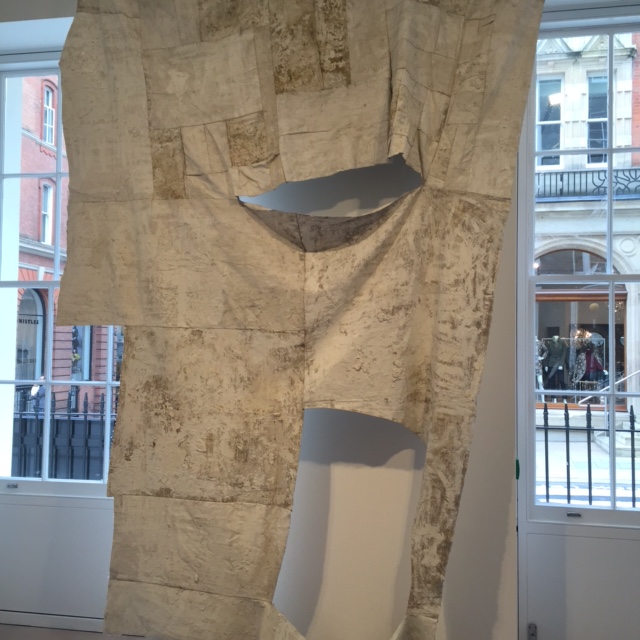
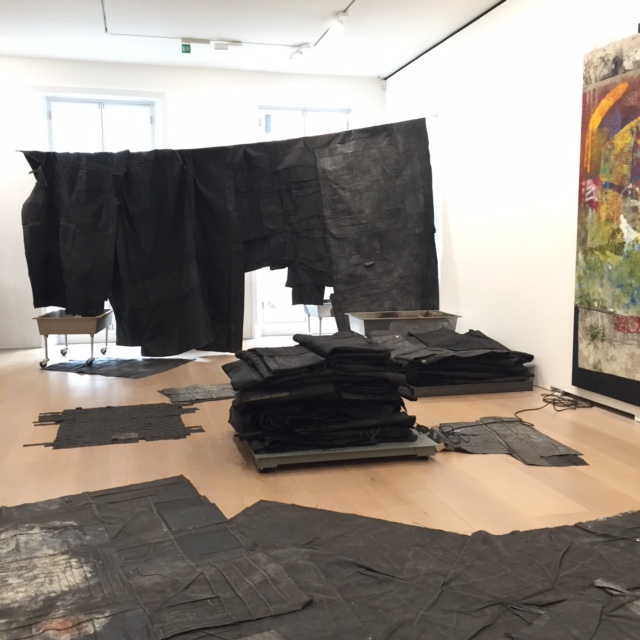
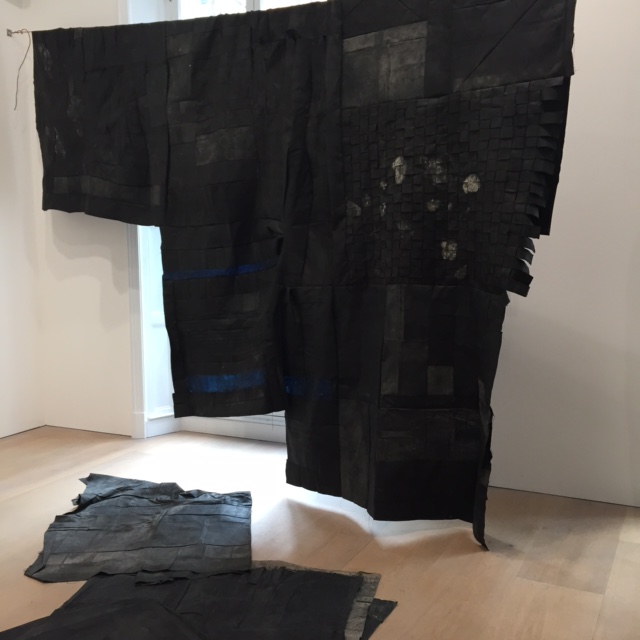
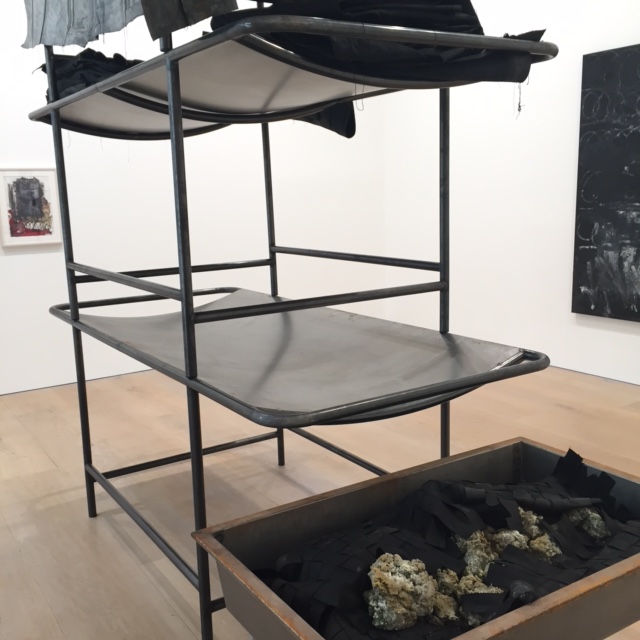
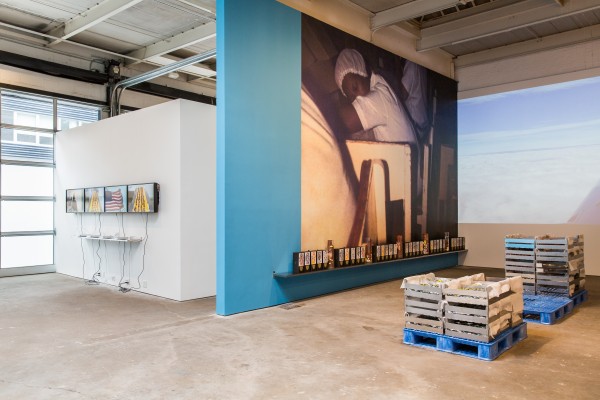
A major new installation in the upper galleries comprises large, heavily painted black canvases (made of several sewn-together fragments and reminiscent of leather hides) suspended across the gallery, piled on top of one another on steel pallets, and also strewn across tables. An adjacent canvas, one of a series of new figurative works in the exhibition, depicts a painting Murillo encountered in a collector’s home in Bogotá—showing a young boy selling fish—against Regency-style wallpaper and antique furniture. Murillo’s physical engagement with his materials has an anthropomorphic effect, which in turn contextualizes the installation within the socio-political landscape of post-colonial Colombia. Intensified by the subtle smell of oil paint and the presence of decomposing corn sculptures, its corporeal and abject nature creates a thought-provoking viewing experience that aims to destabilize the codified conditions of display present within the initial painting. (gallery press)

IMG_7883installation view, Oscar Murillo, ‘binary function, David Zwirner London gallery, photo@VK


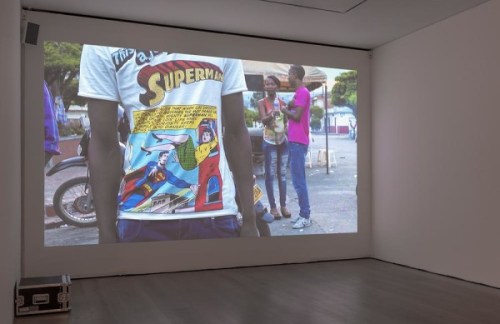
OM-binary-function-7-600x389meet me! Mr. Superman, 2013-2015
Video projection, 1:16 min (loop), color, sound

The exhibition includes a new video projection that depicts a street scene in Murillo’s hometown of La Paila, Colombia, in which people are seen chatting, drinking, and dancing to live music. Filmed by the artist on New Year’s Day, its footage shifts between documentary and experimental styles, using both wide-angle and detail shots that, at times, abstract the figures’ bodies into a chaotic arrangement of imagery, color, and movement.
Oscar Murillo was born in 1986 in La Paila, Colombia. He lives and works in London, where he earned his B.F.A. in 2007 from the University of Westminster, followed by his M.F.A. in 2012 from the Royal College of Art. In 2013, the artist joined David Zwirner. His first gallery solo exhibition, titled ‘A Mercantile Novel’, was presented at David Zwirner, New York in 2014, on 19th street, where Murillo converted the Chelsea space into a fully operational candy factory, modeled on the one in La Paila, importing everything from actual workplace signage to a real production line.

ZWIRNER_042914_RUDD_045-600x400

gallery installation view from Oscar Murillo’s exhibition David Zwirner gallery New York  ‘A Mercantile Novel’
April 24 – June 14, 2014 @david zwirner gallery, NY

….Soft-spoken and shy, Murillo works alone, without assistants, in a scrappy one-room studio in East London, where canvases, oil paints and debris cover the floors, and irons and sticks are strewn everywhere. He uses old sewing machines to stitch together squares of canvas, which he  then flattens with an iron, often painting their surfaces with a stick rather than a brush.  (Carol Vogel. at the NYTimes, “Art World Places Its Best, March 16, 2014- Oscar  Murrillo show at the NY Zwirner gallery )

OM-binary-function-3-600x367

installation view, Oscar Murillo, David Zwirner London gallery, @davidZwirnergallery

The gallery will host a conversation between Oscar Murillo and Jack Tan at Frieze art fair on Saturday, October 17, at 11 am.

‘binary function’ at David Zwirner gallery, London

Munich; Sheila Hicks at Espace Louis Vuitton

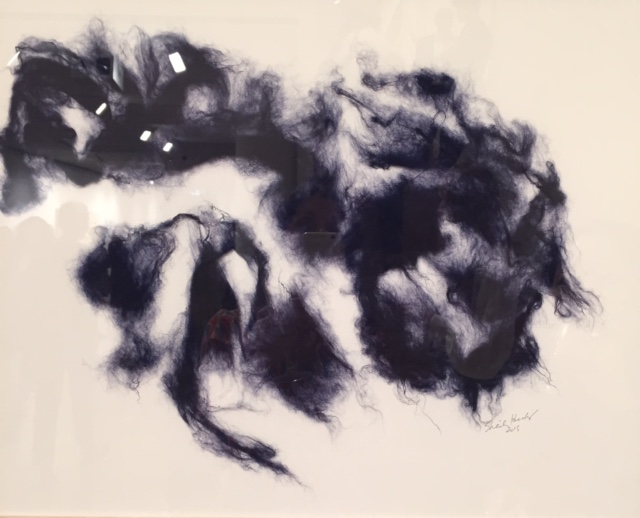
‘Predestined Colour Waves’, Sheila Hicks
8 October 2015 – 23 January 2016

A beautiful and elegant opening last evening at The Espace Louis Vuitton München “Predestined Color Waves”, the first monographic exhibition in Germany since 1970 of the unique oeuvre of the Paris-based American artist Sheila Hicks.

IMG_7822

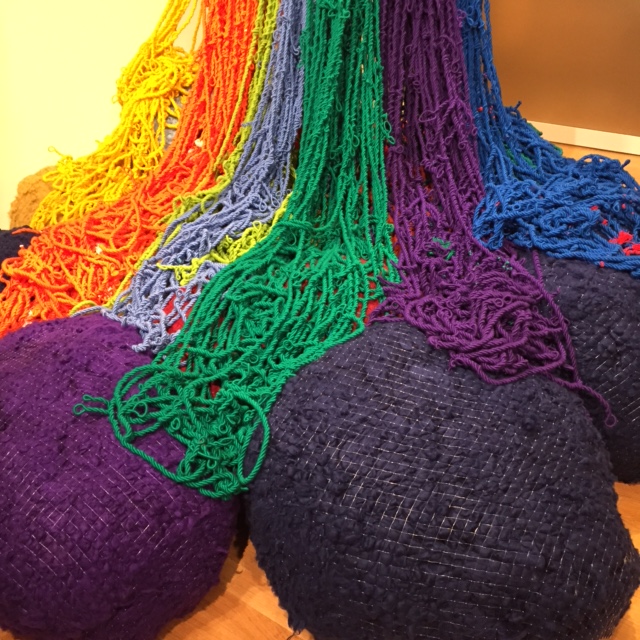
Atterrissage, 2014, pigments, fibres acryliques, 480 x 430 x 260 cm (dimensions variables).  Courtesy galerie frank elbaz, Paris


Sheila Hicks has long had a passion for architecture, and many of her works respond directly to the built environment: braided bas-reliefs, hanging soft sculpture, abstract tapestries.

Anja Kaehny

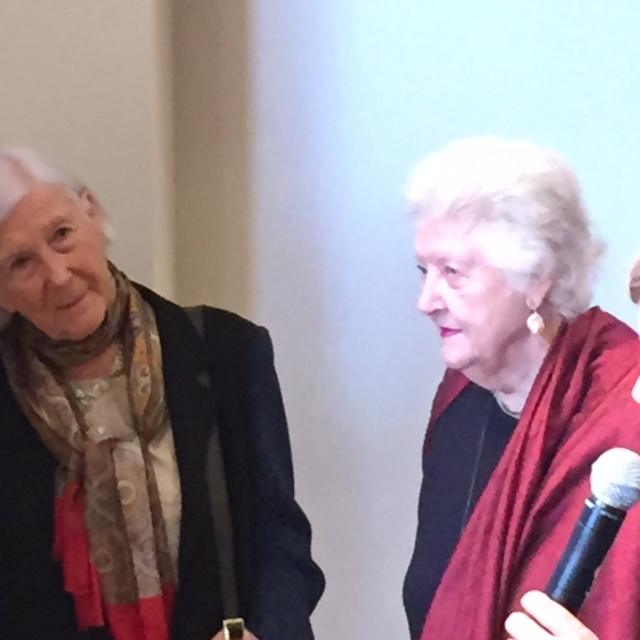
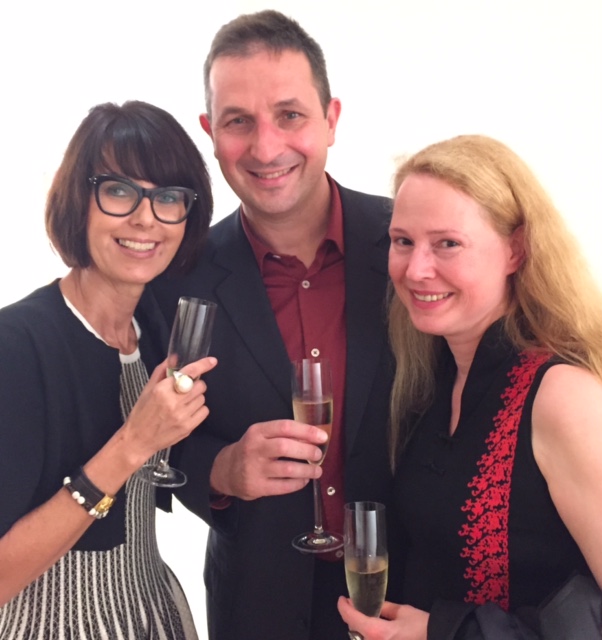
Anja Kaehny , director of Espace München(left), Sheila Hicks and Monique Lévi-Strauss, photo@VK

Creating new interpretations of age-old textile techniques, the artist has developed her own experimental and idiosyncratic style incorporating natural fibres, synthetic blends, and at times found objects, organic matter, and industrial materials. Colour, texture, and structure are her central concerns. Hicks’s art is informed by her academic training in Modernism, her encyclopaedic knowledge of historical textiles, her tireless exploration of new technologies, and a lifelong love of investigating different cultures. Painting, photography and archaeology were important early influences during her extended travels and stays in Latin America. (gallery press, Alison Jacques gallery, London) 

IMG_7830

Monique Lévi-Strauss (left) and Sheila Hicks, photo@VK

An interest in architecture, sparked during her student years at Yale University where Louis Kahn and Vincent Scully taught and intensified during her residence in Mexico when she met Felix Candela, Luis Barragán, and Ricardo Legorreta, became a cornerstone of her practice.

Sheila Hicks was born in Nebraska in 1934, and as teenager she used to explore the galleries of the Art Institute of Chicago, where she became so impassioned by Peruvian textiles that she talked her way into the storerooms.  After two years at college she transferred to Yale  Art School, where she was one of the female students and where she encountered tow formative professors.  One was Josef Albers, who had brought the principles of the Bauhaus with him to the United States.  Albers was a renewed pedagogue, and his courses included a heavy dose of colour theory. Hicks also undertook independent studies with Alber’s wife, Anni, who shared her interest in textiles.

FullSizeRender 3

Dessin III, 2014, fibre, 61 x 46 cm,  Drawing III, 2014, fiber, 24 x 18 in.
Courtesy galerie frank elbaz, Paris

FullSizeRender

(left to right)Dr Kirsten Gabrielle Schrick, Dr Ralph Senft & Sabine Senft, photo@VK

FullSizeRender 2

Ferdinand Huwendiek & Alexandra Eley, photo@VK


FullSizeRender 4

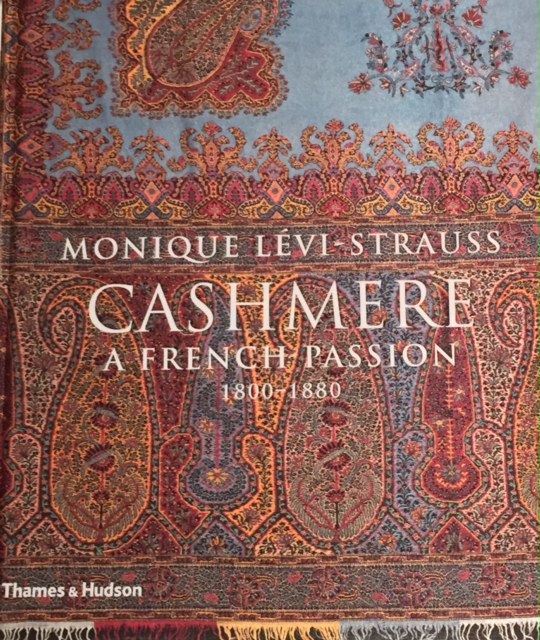
The exhibition is made possible by the loan of Atterrissage (2014) from the Fondation Louis Vuitton in Paris. It is accompanied by a catalogue featuring an essay by the art critic Jason Farago and contributions by the writer and textile scholar Monique Lévi-Strauss and Stephanie Rosenthal, artistic director of the 2016 Biennale of Sydney.

IMG_7821

photos@VK

Keith York City

History made interesting

VK

visits on art, design, architecture and literature

Eclectic Trends

Interior Design and Lifestyle Trends

maria sarri Art projects

#art_projects, #public_art, #site_specific, #post_colonial, #urban_art

Η καλύβα ψηλά στο βουνό

Σε κοίταζα μ' όλο το φως και το σκοτάδι που έχω

tangledjourneys

A personal perspective on human interest stories from an American journalist living abroad

An Englishman in Berlin

Blog about life and culture in Berlin, Germany

nefeliatelier

bits and pieces that interest me

A R T L▼R K

An Alternative Cultural Daybook

Venetian Red Art Blog

Art, the resplendent light that illuminates the world

The School Of Life

visits on art, design, architecture and literature

IGNANT

visits on art, design, architecture and literature

βλέμμα

visits on art, design, architecture and literature

λεξήματα

visits on art, design, architecture and literature

flaneries

This WordPress.com site is the bee's knees

βλέμμα

gaze at Greece

SOUZY TROS

the new T.A.M.A platform